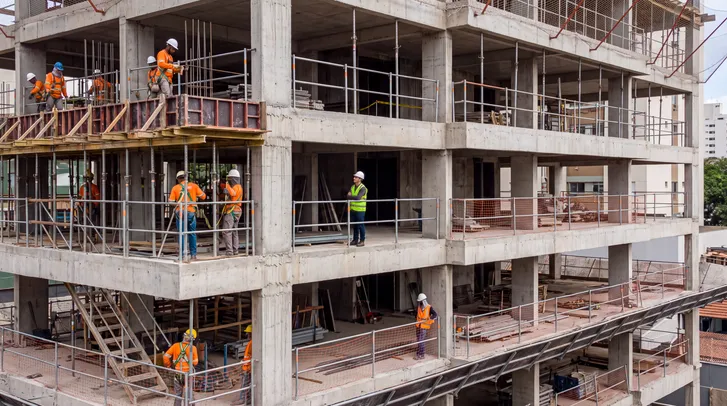
The construction industry is characterised by highly dynamic operations. Work fronts change daily, and exposure to critical risks such as work at height and heavy load movement demands rigorous preventive control. To reduce accident numbers and establish planning guidelines on site, Brazilian legislation created a specific sector standard.
But in practice, what is NR-18, and what legal obligations does it impose on construction and development companies?
In this article we detail the purpose of this standard based on the updated official text, its main operational requirements, and how digitalisation became the safest route to compliance on the construction site.
What is NR-18 and what is it for?
NR-18 (Occupational Health and Safety Conditions in the Construction Industry) is the Regulatory Standard that establishes administrative, planning and organisational guidelines for implementing control measures in construction processes.
The central purpose of NR-18 in construction is to protect workers' physical integrity by anticipating risks. The updated text consolidated a far more managerial than prescriptive approach, which means construction companies have more autonomy to define how they will protect workers, provided they guarantee the effectiveness of those measures through well-grounded technical planning.
The end of the PCMAT and the arrival of the PGR
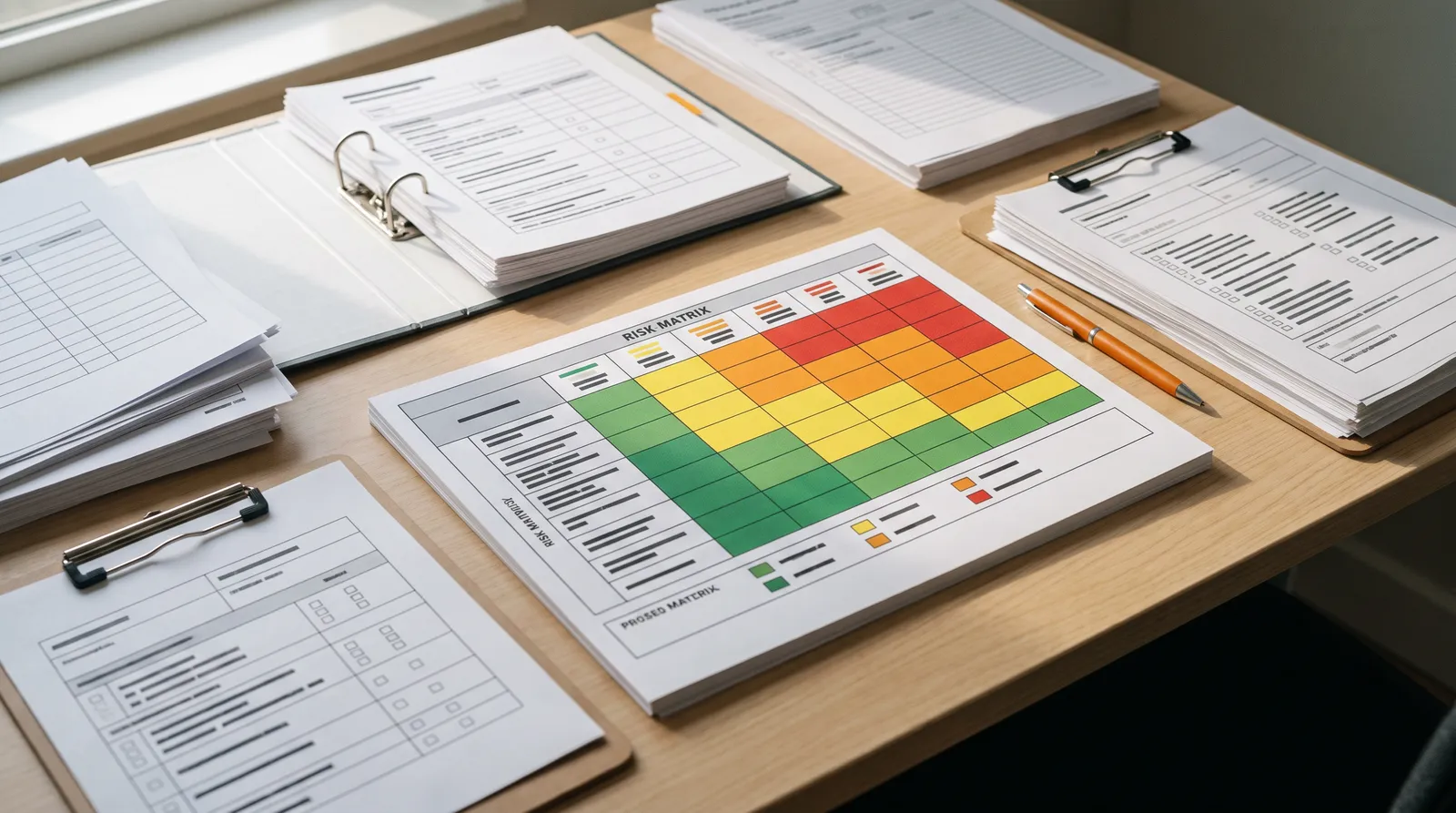
One of the most important changes in the structure of NR-18 was replacing the former PCMAT with the Risk Management Programme (PGR). Today the PGR is the central document and the heart of safety on any site.
The standard sets strict rules on the site's PGR, among them:
- Legally qualified professional: the site's PGR must be drawn up by a professional qualified in occupational safety (such as a Safety Engineer).
- Continuous updating (item 18.4.3.1): the PGR is not a static document produced only at the start of the project. The standard explicitly requires it to be kept up to date according to the stage the site is in (foundation, structure, masonry, finishing), reflecting the real risks of that moment.
Main operational requirements of NR-18
For the PGR to move off the page and the operation to run within the law, the Environment, Health and Safety (EHS) team must act directly on the organisation of infrastructure and processes. The following requirements stand out:
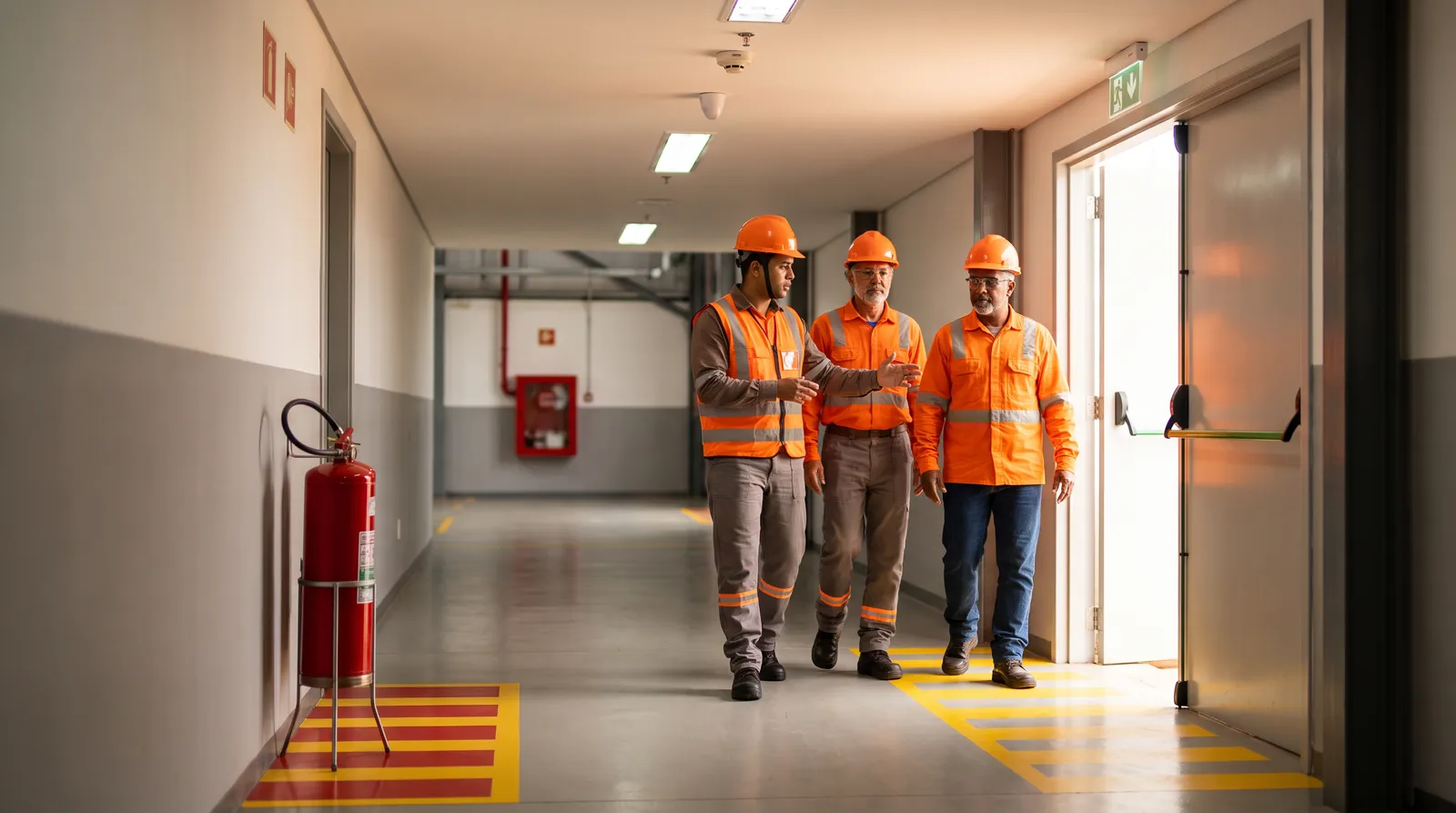
- Welfare areas: the site must be planned to accommodate workers with dignity. Sanitary facilities, canteens and changing rooms are mandatory. To ensure these structures are adequate, management should follow the rules we detailed in the article on what NR-24 is and sanitary working conditions.
- Fall protection and personal fall arrest systems: work at height is the leading cause of fatalities in the sector. NR-18 requires specific designs for installing collective protection (EPCs) and the definition of a Personal Fall Protection System.
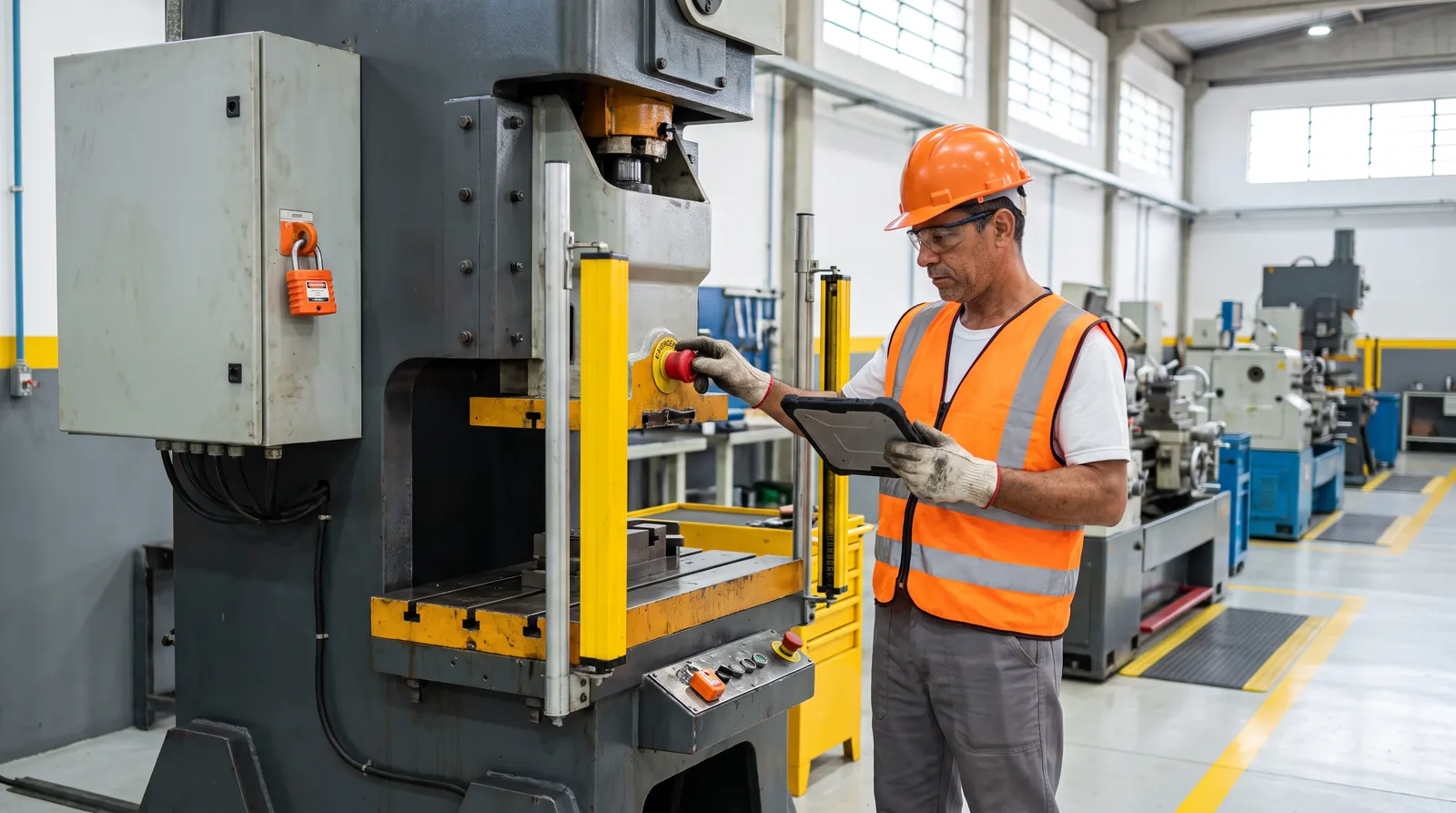
- Machinery and equipment inspection: tower cranes, mobile cranes, aerial work platforms and circular saws must undergo periodic checks. The standard requires records of these assessments to be filed, reinforcing the importance of safety inspection checklists to formalise the condition of machinery.
- Training and qualification: every worker must complete training hours specific to the activities they will perform, including initial onboarding before setting foot on site.
EHS management and technology on the construction site
Keeping a construction site in full compliance with NR-18 requires daily control of hundreds of documents: technical reports, PPE handovers, work front releases, onboarding sessions and machinery inspections. Managing that with clipboards and spreadsheets across several simultaneous sites leaves room for serious failures, missed deadlines and labour liabilities.
That is why leading construction companies are digitalising their processes. Using specialist software for construction lets safety technicians run inspections from an app, flag non-conformities with real-time photos, and control the validity of training for both own employees and contractors on a single centralised platform.
Technology removes paper bureaucracy and raises the rigour of preventive oversight at the base. A strong practical example is the Sousa Andrade success story, which transformed its EHS management on site, integrating information between field and office to guarantee 100% compliance with the requirements of NR-18 and the Ministry of Labour.