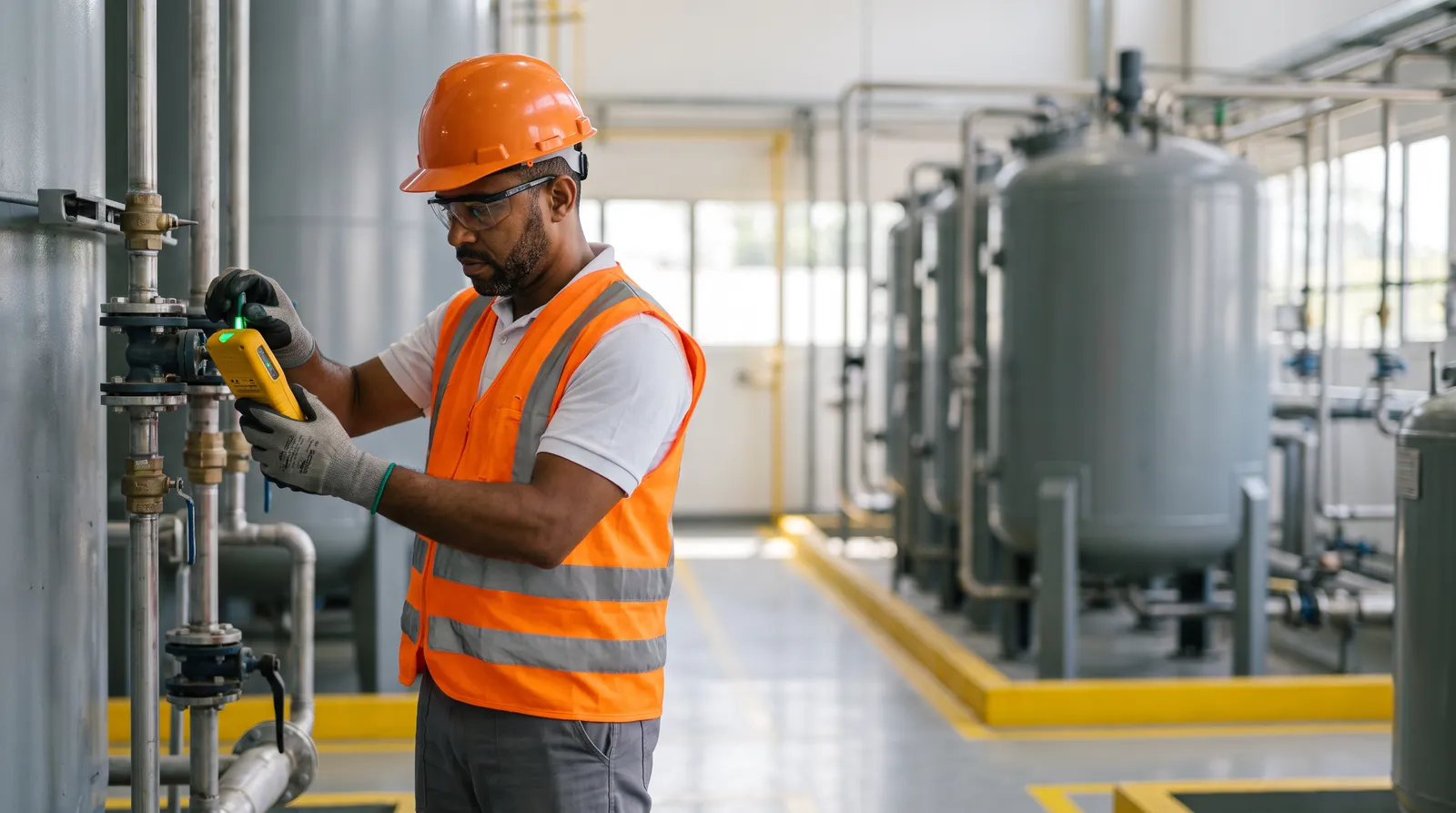
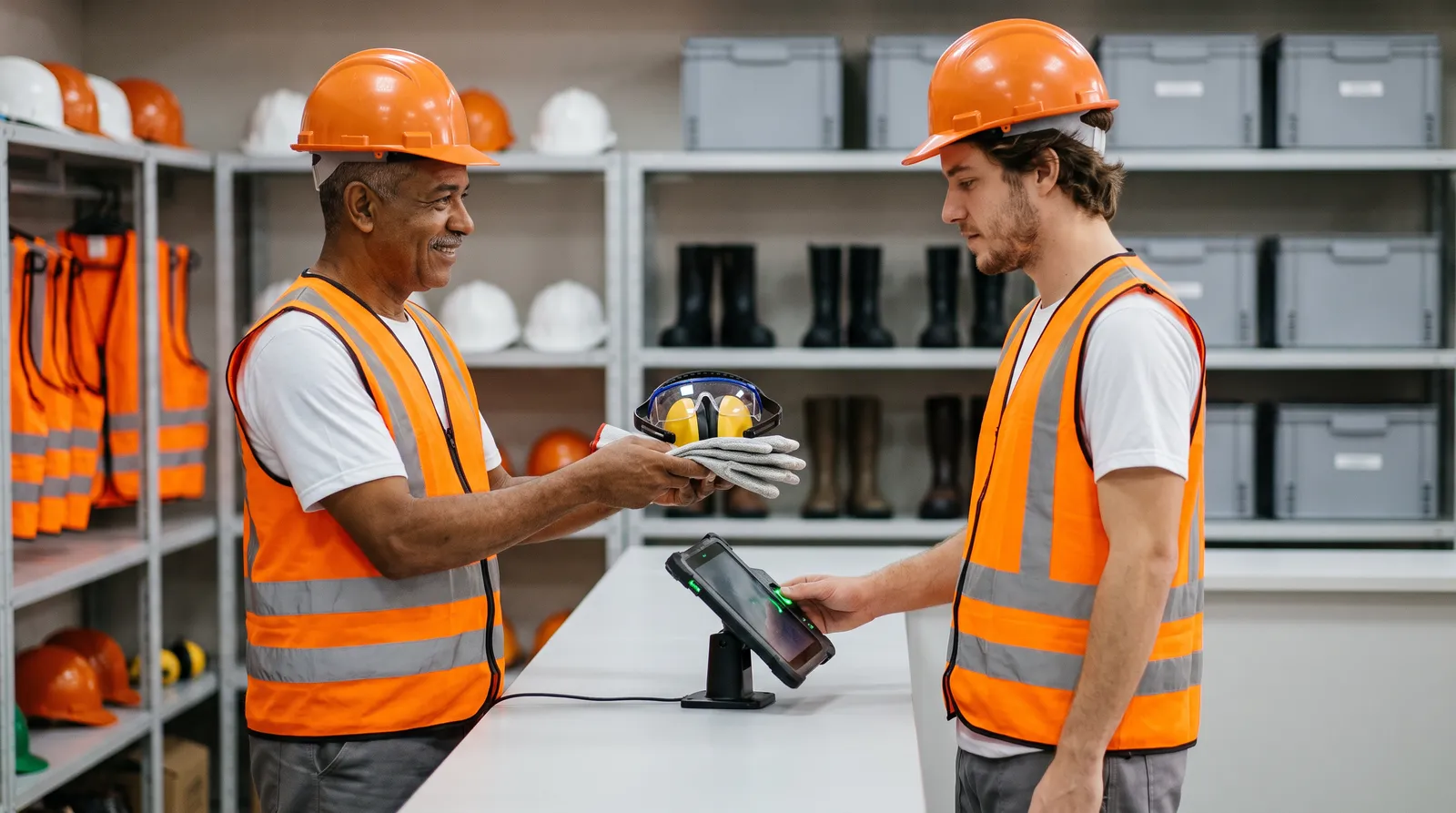
In the industrial environment, asset reliability ensures the continuity and efficiency of the entire production line. When a machine fails unexpectedly, the loss is not limited to the repair cost: it involves delays in deliveries, team downtime, and serious risks to the physical integrity of employees. That is why discussing the importance of equipment inspection goes far beyond maintenance; it is a strategic pillar of EHS (Environment, Health, and Safety).
Leaving action only for when the machinery presents a defect is to assume a high-cost reactive posture. Real prevention requires a structured routine of checks, capable of identifying wear and deviations before they become a critical problem.
Why is equipment inspection vital for your operation?
Maintaining a safe industrial plant requires predictability. The continuous routine of equipment inspection ensures that work tools operate strictly within the parameters recommended by manufacturers and legislation.
The benefits of maintaining a consistent routine of inspections are clear for the operation:
- Avoiding unplanned downtime (machine downtime): Identifying a problem early on allows scheduling the repair for a shift change, preventing production from stopping in a hurry.
- Compliance with safety laws: Critical equipment requires periodic checks to meet Regulatory Standards, avoiding heavy fines or factory closures.
- Prevention of occupational accidents: Defective safety devices are direct causes of injuries. Inspection identifies the failure before the worker runs risks during handling.
What cannot be missing from your equipment inspection checklist?
To ensure that the check is not done in a superficial way, standardization is indispensable. Using an equipment inspection checklist serves as a step-by-step guide for the operator or safety technician, ensuring that no critical item is forgotten. A good Equipment Inspection Checklist must mandatory evaluate:
Practical Checklist Template:
- Structural Conditions: Are there cracks, rust, or excessive wear on the equipment?
- Safety Systems: Are emergency stop buttons and locking devices working perfectly?
- Fluids and Lubrication: Is the oil, water, or hydraulic fluid level within the recommended range? Are there leaks on the floor?
- Signage: Are warning signs and load limits visible and legible?
- Electrical Part: Are there exposed wires, overheated cables, or unlocked panels?
- Asset Cleanliness: Is the equipment free of residue that could jam the gears?
Applying this step-by-step process on paper, however, generates erasures and slow communication. That is why migrating to an online checklist for equipment inspection is the natural step for industries seeking agility and traceability in processes.
From clipboard to digital: equipment inspection by QR Code
Technological advancement has transformed the way industry handles the security of its assets. Today, real-time monitoring and the elimination of paper are key to achieving zero deviation.
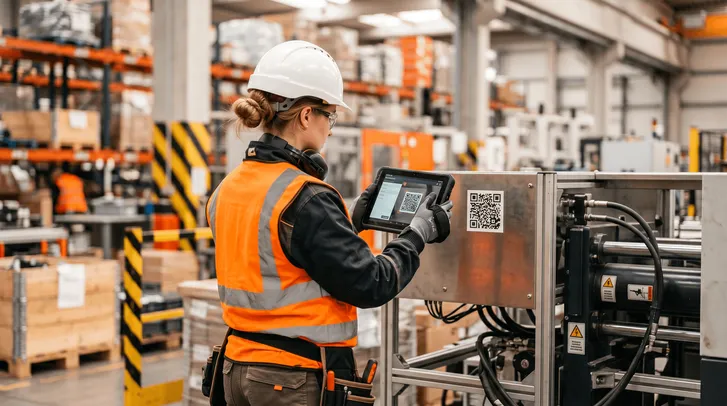
One of the most efficient practical applications of this modernization is the use of QR Codes linked directly to machines. The process becomes extremely fast:
- The operator holds the cell phone close to the QR Code fixed on the equipment.
- The system instantly opens the exact form for that machine.
- If there is a failure, they attach a photo and open a corrective action directly in the system to address the non-compliance.
Want to see in practice how this dynamic works on the factory floor? Watch this quick video: How the QR Code inspection by GAP works.
The advantages of investing in an equipment inspection system
Managing hundreds of daily inspections requires data intelligence. By centralizing information, an equipment inspection system eliminates manual data entry and generates automatic indicators of non-conformities, pointing out which assets demand more attention from the team.
If a critical safety item fails the digital checklist, the manager can update the status of the equipment in the system so that the entire team knows it is undergoing maintenance, preventing the machine from continuing to operate in unsafe conditions.
Investing in technology is the ultimate way to protect your operation. Discover how the checklist and inspection management solution from GAP transforms your industry's routine, bringing total control over assets and ensuring a safe working environment.