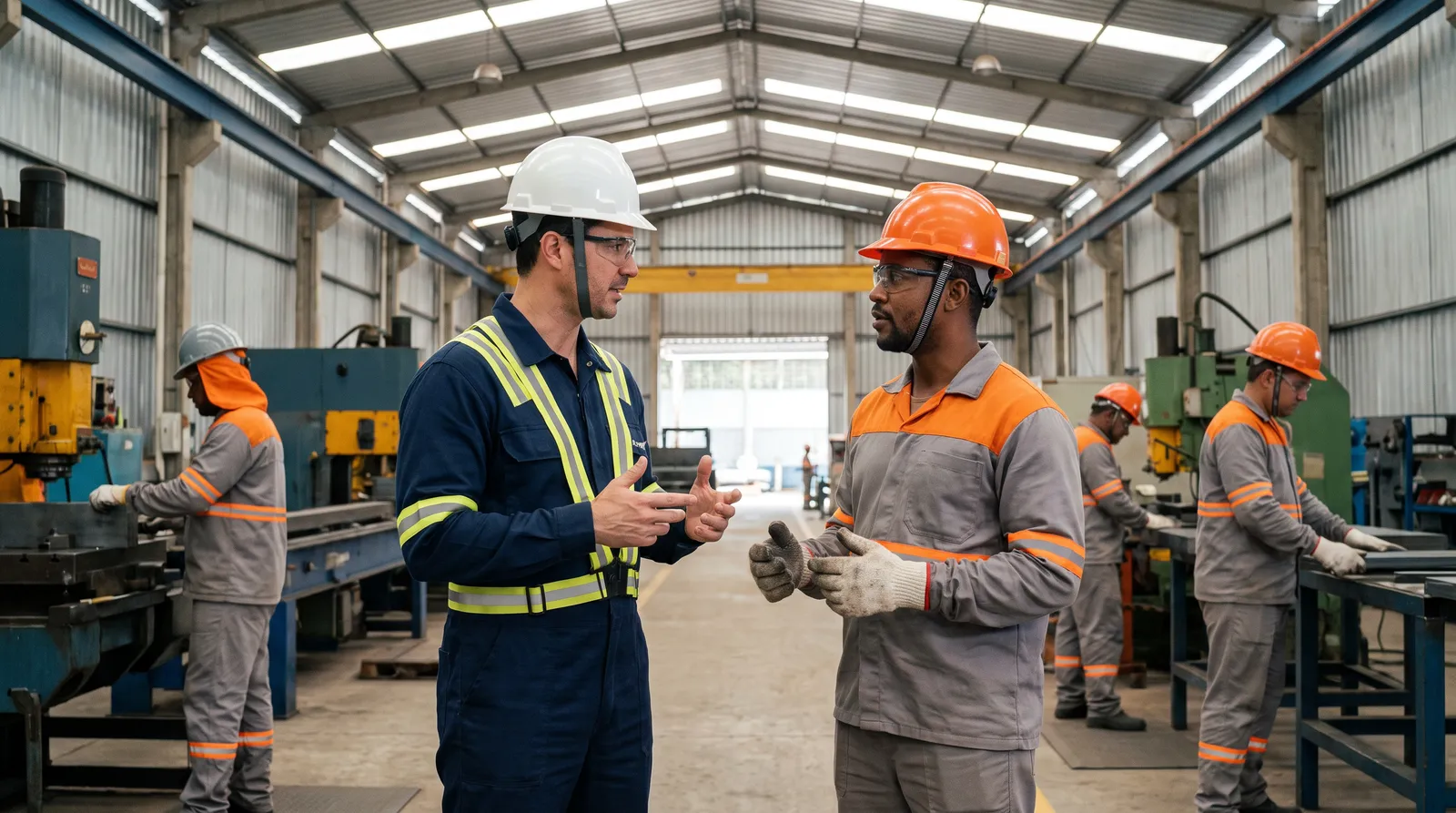
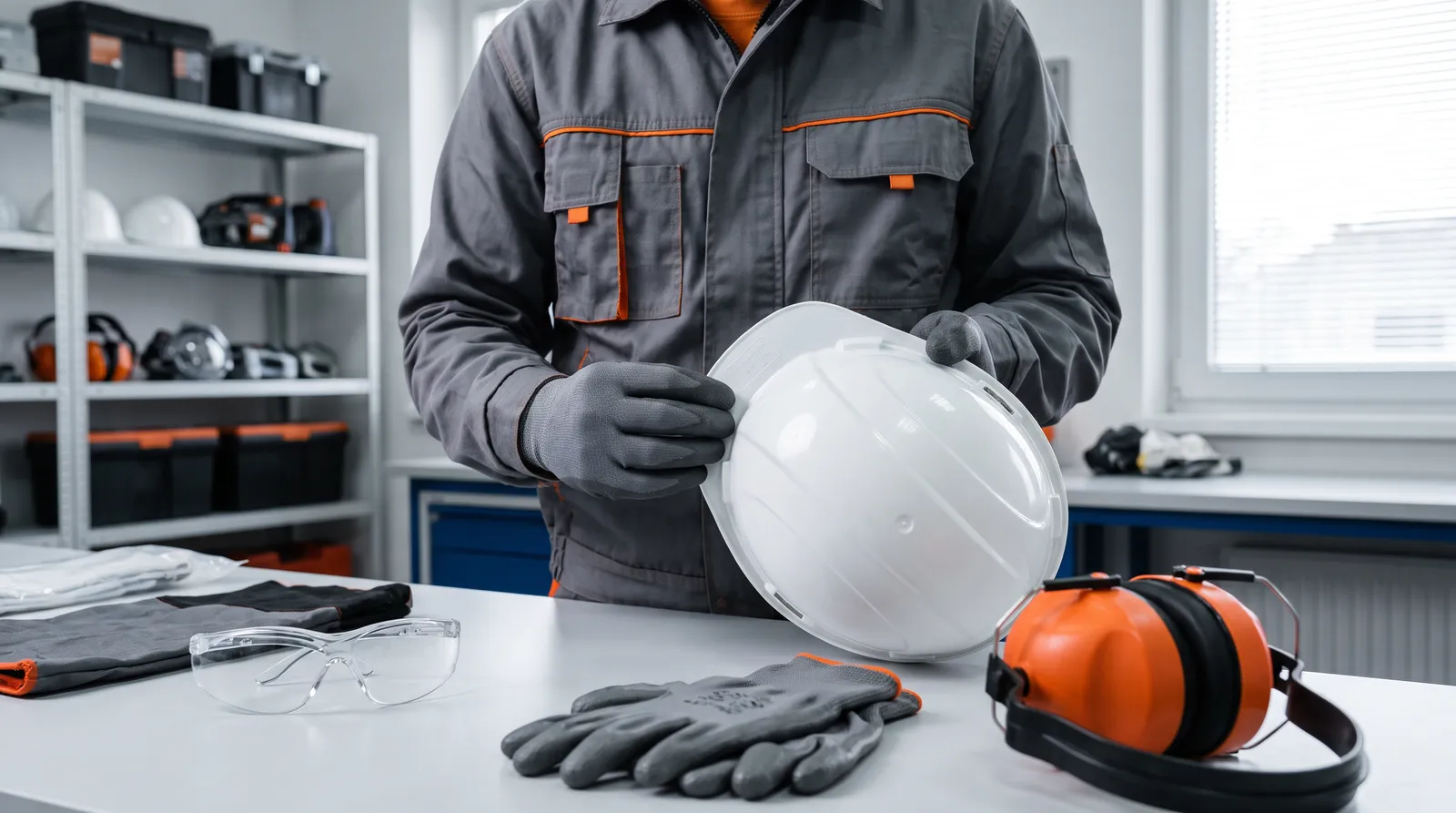
A construction site is a dynamic environment. Unlike a traditional factory, civil construction changes its setting every day: new work fronts are opened, different contractors come and go, and exposure to risk follows this structural evolution.
Protecting the physical integrity of everyone in this space requires advance planning and a constant presence in the field. In this article, we cover the priorities of occupational safety in civil construction, the most critical control points and how NR-18 guides these routines in practice.
Why occupational safety matters in civil construction
Historically, civil construction has concentrated high rates of occupational accidents in Brazil. Limiting prevention to mere compliance with standards exposes the operation to immeasurable risks and unwanted stoppages. A structured Environment, Health and Safety (EHS) department supports the project on three main fronts:
- Preserving Life: Risk monitoring eliminates or minimises the chance of falls, burials and electric shocks.
- Legal Security: Accidents create labour liabilities, criminal liability and the immediate risk of an embargo by labour inspectors (NR-03), halting the schedule.
- Continuous Productivity: A safe environment reduces absenteeism and turnover. Organised, clean and well-signposted sites run more smoothly and avoid rework.
Key points to watch on the construction site
EHS management in civil construction happens on the front line. Among the many simultaneous activities, the technical team's focus should be on what carries the greatest potential for fatalities:
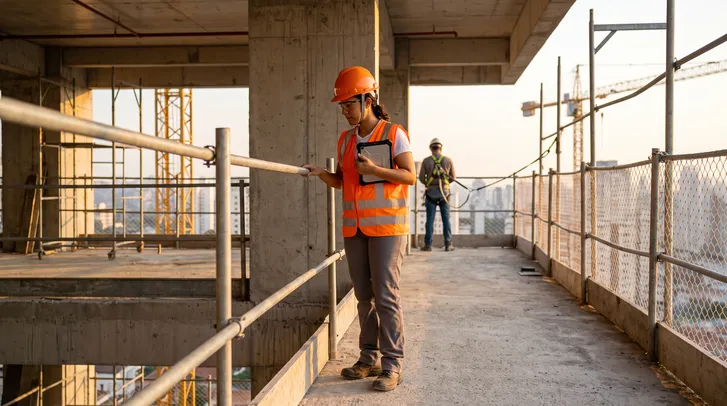
- Work at Height: Falls are the leading cause of fatal accidents in the sector. Installing collective protection (guardrails, safety nets) and rigorously releasing scaffolding and suspended platforms are daily requirements.
- Load Handling: Operating cranes and rack-and-pinion hoists requires area isolation and precise rigging plans to prevent crushing and materials falling on the team.
- Temporary Electrical Installations: The site requires dynamic power panels. Avoiding exposed cables, ensuring grounding and prohibiting illegal connections are basic prevention steps.
- Contractor Management: Making sure that employees of different contractors (painters, electricians, rebar fixers) follow the same safety rules requires a strict filter when checking training and documents right at the gate.
The central role of NR-18 in construction management
All these routines converge on a single guideline: Regulatory Standard 18 (NR-18, Working Conditions and Environment in the Construction Industry), which sets the operational rules for the sector.
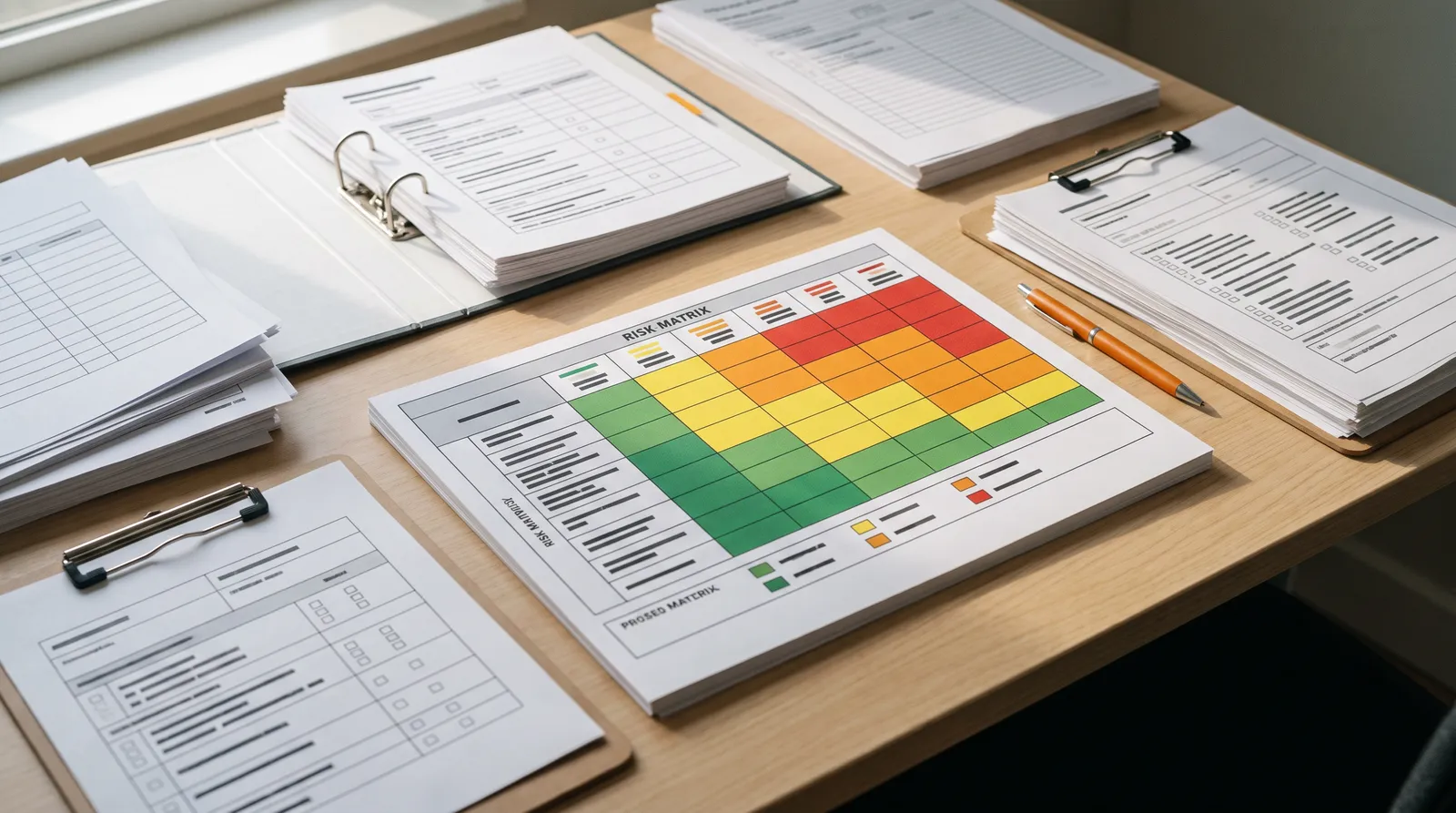
The standard's central requirement is preparing and constantly updating the site's Risk Management Programme (PGR), which must faithfully follow the foundation, structure and finishing phases. To understand the details of welfare facilities and the technical planning required by law, read our content on what NR-18 is in civil construction.
The practical application of these guidelines determines the success of the site. Construction companies that build safety directly into their operational routine, as seen in the Sousa Andrade and WV Maldi cases, are able to anticipate risks, organise the flow of contractors and maintain continuous productivity. After all, an efficient project starts with a safe working environment.