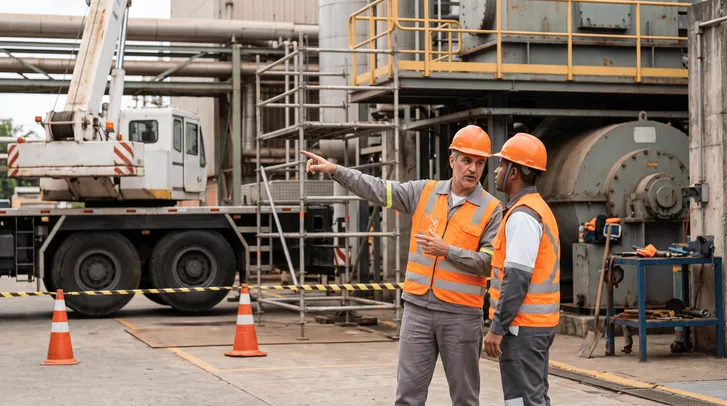
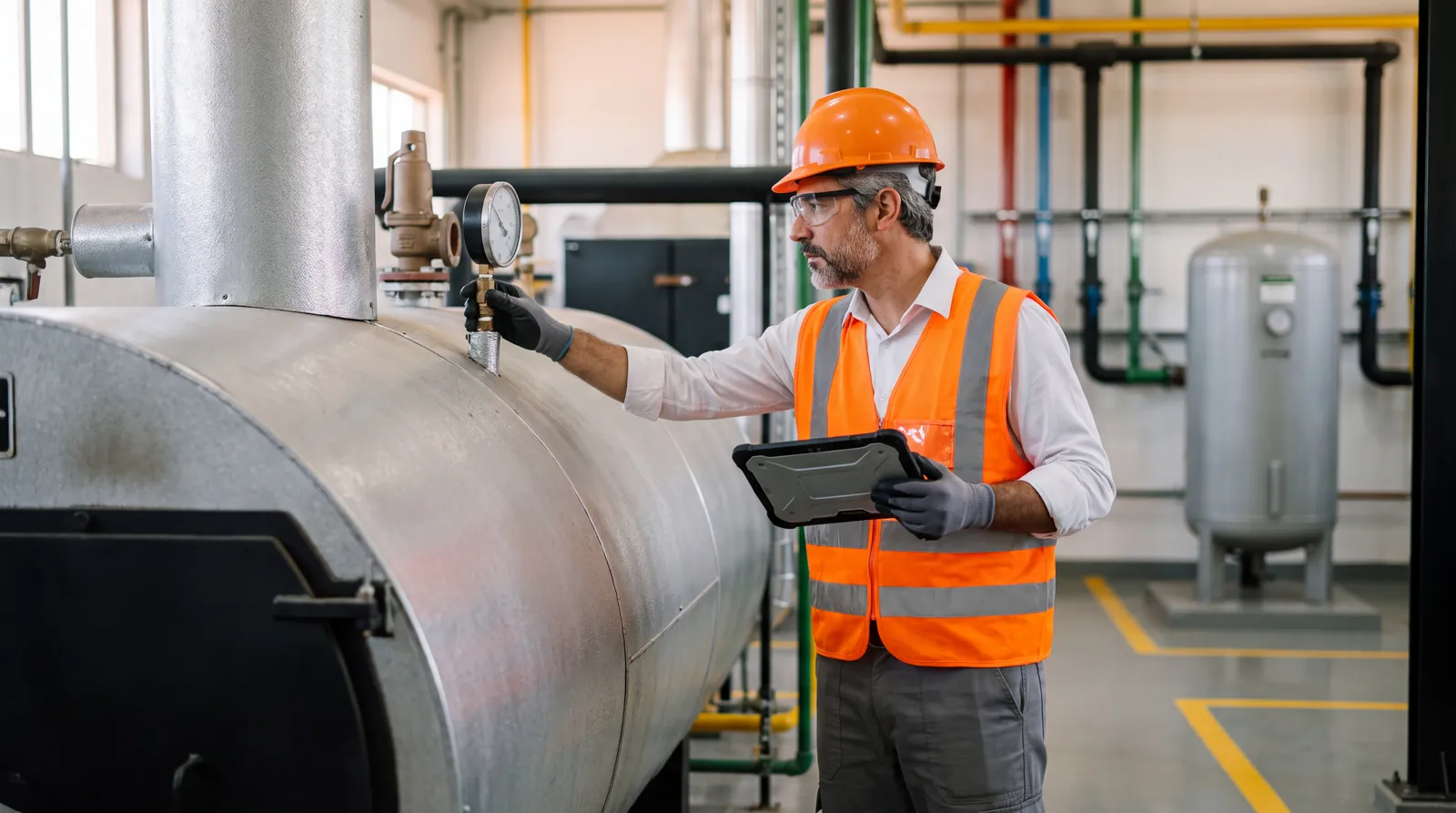
In the industrial environment, anticipation is the best defense against accidents. Before any equipment is turned on or a worker begins a critical activity, it is necessary to map all variables that could go wrong to protect the physical integrity of the team.
In this article, we explain how risk analysis works, when it is mandatory under Regulatory Standards (NRs), and what its direct connection is to releasing activities on the work fronts.
What is a Preliminary Risk Analysis (PRA)?
The Preliminary Risk Analysis (PRA) is a technical planning document focused on prevention. It is a prior and detailed study that divides a service into steps, identifies the hazards of each, and establishes which preventive measures (PPE, EPCs, and procedures) must be adopted to neutralize the chances of accidents and occupational diseases even before the workforce is mobilized.
PRA vs. WP: What is the relationship and the main difference?
It is very common to confuse the PRA with the Work Permit (WP), as both are mandatory tools in Health, Safety, and Environment (HSE) management. However, they represent different stages of the same preventive process.
While the PRA is the theory and planning, the WP is the authorization in practice. See the difference:
| Criterion | Preliminary Risk Analysis (PRA) | Work Permit (WP) |
|---|
| What is it? | Prior study detailing the risks of the service. | Checklist and formal authorization for execution. |
| When is it done? | Before the service is scheduled and started. | Immediately before the service, at the task location. |
| Objective | Instruct the team on how the service should be performed. | Attest that the PRA measures have been met in practice. |
When is the preparation of a PRA mandatory?
Preliminary risk analysis is not required for routine office tasks or activities with negligible risk. It is a legal obligation imposed by several Regulatory Standards (NRs) whenever the operation involves non-routine or highly critical work.
The rigorous structuring of a PRA is essential, for example, in the following scenarios:
- NR-33: Entry into silos, tanks, galleries, and ducts. Learn more about the requirements in our article on confined spaces (NR-33).
- NR-35: Any activity performed more than two meters high from the lower level. Understand how to adapt your company to work at height (NR-35).
- NR-34: Activities with fire or explosion risk, such as welding and cutting. See the risks of hot work (NR-34).
- NR-10: Interventions in electrical networks and panels, especially in high voltage.
Step by step: How to prepare a Preliminary Risk Analysis
For the PRA to be a real protection tool and not just bureaucracy, it must be developed jointly by the Occupational Safety sector and the operational leaders. The process involves four steps:
- Detailing the service: Break down the main task into sequential steps. Example: if the service is "Roof maintenance," the steps include isolating the area, assembling the scaffolding, hoisting the material, etc.
- Identification of hazards: For each described step, point out what could go wrong (risk of falling, electric shock, dust inhalation).
- Definition of control measures: How to neutralize the danger? Determine the mandatory PPE, the necessary EPCs (such as lifelines), and the lockout/tagout procedures.
- Team training: The team involved in the service must read, understand, and sign the PRA, attesting awareness of the risks before work begins.
What happens after the PRA?
The meticulous planning built into the Preliminary Risk Analysis (PRA) only has value if its guidelines are effectively executed in the field. Once the study is ready and the team is guided, it is necessary to perform a rigorous check on the work front, minutes before starting the activities, to ensure that the environment is safe.
It is exactly in this bridge between planning and "hands-on" execution that the most critical document of the operation enters: the Work Permit (WP).
To understand how this preventive flow is completed and what the role of each professional is in this final authorization, we invite you to read our article on: What is a Work Permit (WP)?.