Standards
Hot Work: what it is, risks, and requirements of NR-34
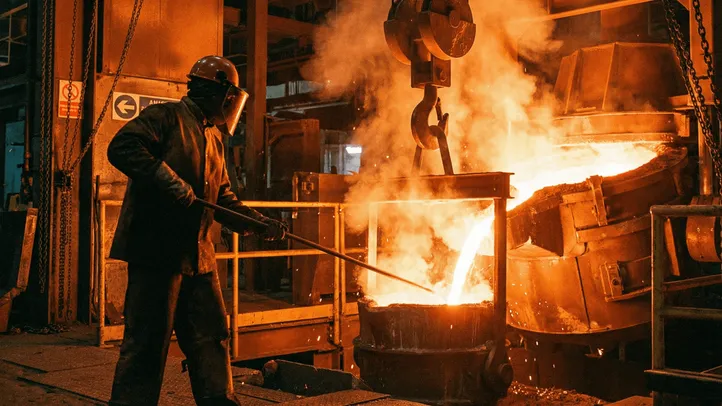
Understand what hot work is, the risks involved, the requirements of NR-34, and how to ensure safety with JHA and Work Permits.
By: Willian Candelório
Understand what hot work is, the risks involved, the requirements of NR-34, and how to ensure safety with JHA and Work Permits.
By: Willian Candelório
Hot work is one of the most critical activities in industry and requires strict control according to NR-34. Activities such as welding, cutting, and grinding can only be carried out with a Work Permit (PT), JHA (Job Hazard Analysis), and well-defined preventive measures.
To ensure the safety of employees and property, compliance with NR-34 is essential.
In this article, we have gathered everything you need to know to perform these activities safely and in compliance.
According to NR-34 (item 34.5), hot work is defined as any activity involving welding, gouging, grinding, cutting, or other operations that can generate ignition sources, such as heat, sparks, or flame.
In practical terms, if the tool or process releases enough heat to start combustion or generates flying sparks, the activity is classified as hot work and requires a specific Work Permit (PT).
Although welding is the most classic example, several routine maintenance activities fall into this category. The main examples include:
The risks of hot work go far beyond the visible fire. The hazard analysis must cover:
The most critical risk. It occurs when sparks or hot slag come into contact with combustible materials, flammable gases, or oil/grease residues in the vicinity. 2. ##### Physical Burns:
Skin injuries caused by direct contact with the heated piece, molten metal splashes, or thermal radiation. 3. ##### Toxic Gases:
Inhalation of toxic fumes from metal fusion and electrode coating can cause severe long-term respiratory diseases. 4. ##### Non-Ionizing Radiation:
Exposure to ultraviolet (UV) and infrared (IR) rays generated by the electric arc can cause eye injuries (such as "welder's flash") and skin injuries.
To mitigate the risks mentioned, NR-34 establishes a strict hierarchy of controls. The main mandatory measures are:
Before starting, the area must be inspected. It is mandatory to remove all combustible and flammable materials from the surroundings. If removal is not possible, they must be protected with fire-retardant blankets.
The employer must install physical protection (such as screens or fire-retardant blankets) to prevent sparks, splashes, or heat from reaching combustible materials.
The standard requires (Item 34.5.3.1.d) inspection of the site upon completion of the work to prevent reignition or delayed fire outbreaks.
Smoke inhalation is a serious hazard. The standard requires: cleaning the surface before welding (removes oil/grease); Air renewal (exhaust/ventilation) to eliminate gases and vapors. And, if the coating of the piece is unknown, the use of respiratory protection is mandatory (Item 34.5.4.3).
This is a critical point where many accidents occur. The rules are clear:
A fundamental point of NR-34 (Item 34.5.10) is the figure of the Fire Watch. When defined in the JHA, this professional must remain at the site in permanent contact with the work front, focused exclusively on preventing and fighting initial stages of fire.
To formalize safety, two documents are indispensable according to items 34.5.7 and 34.5.8:
Defines the control measures, isolation radius, and the need for a fire watch. 2. ### PT (Work Permit):
The result of the preliminary inspection must be recorded in the PT before starting activities. Without a signed PT, work does not begin.
Although NR-34 is the most detailed technical reference on the subject, other standards also apply depending on the scenario:
Has a specific chapter on welding and hot cutting operations on construction sites.
Essential when hot work is performed inside tanks, silos, or piping.
Frequently, welding and cutting are performed at height, requiring the integration of fall prevention measures with fire protection (use of blankets to prevent sparks from falling to lower levels).
GAP helps industries digitize the Work Permit, standardize checklists, integrate mandatory training, and automatically block out-of-compliance activities, all in a single system.
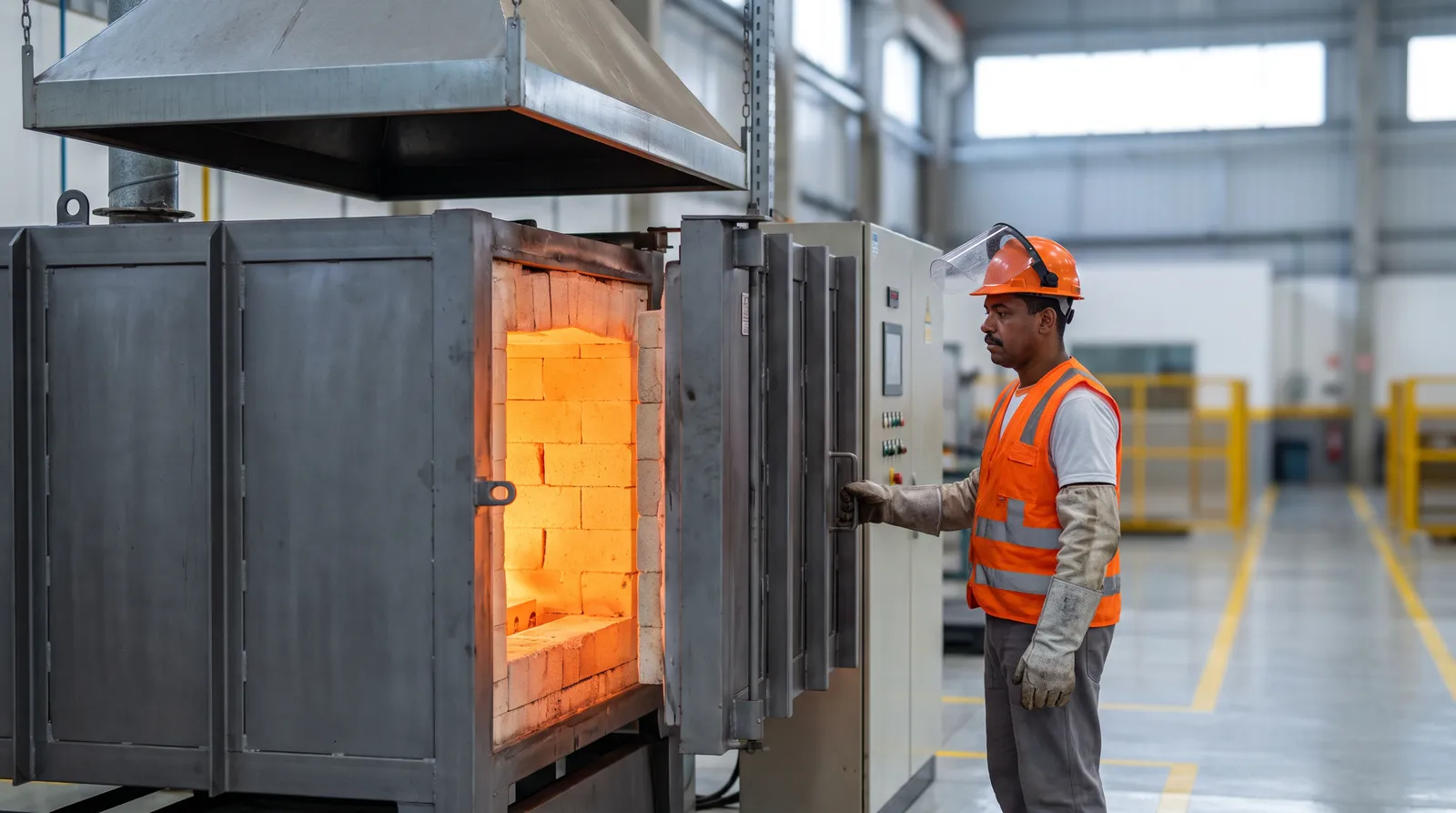
Understand what NR 14 is, the mandatory requirements for installing, lining and safely operating industrial furnaces, and how to avoid explosion risks.
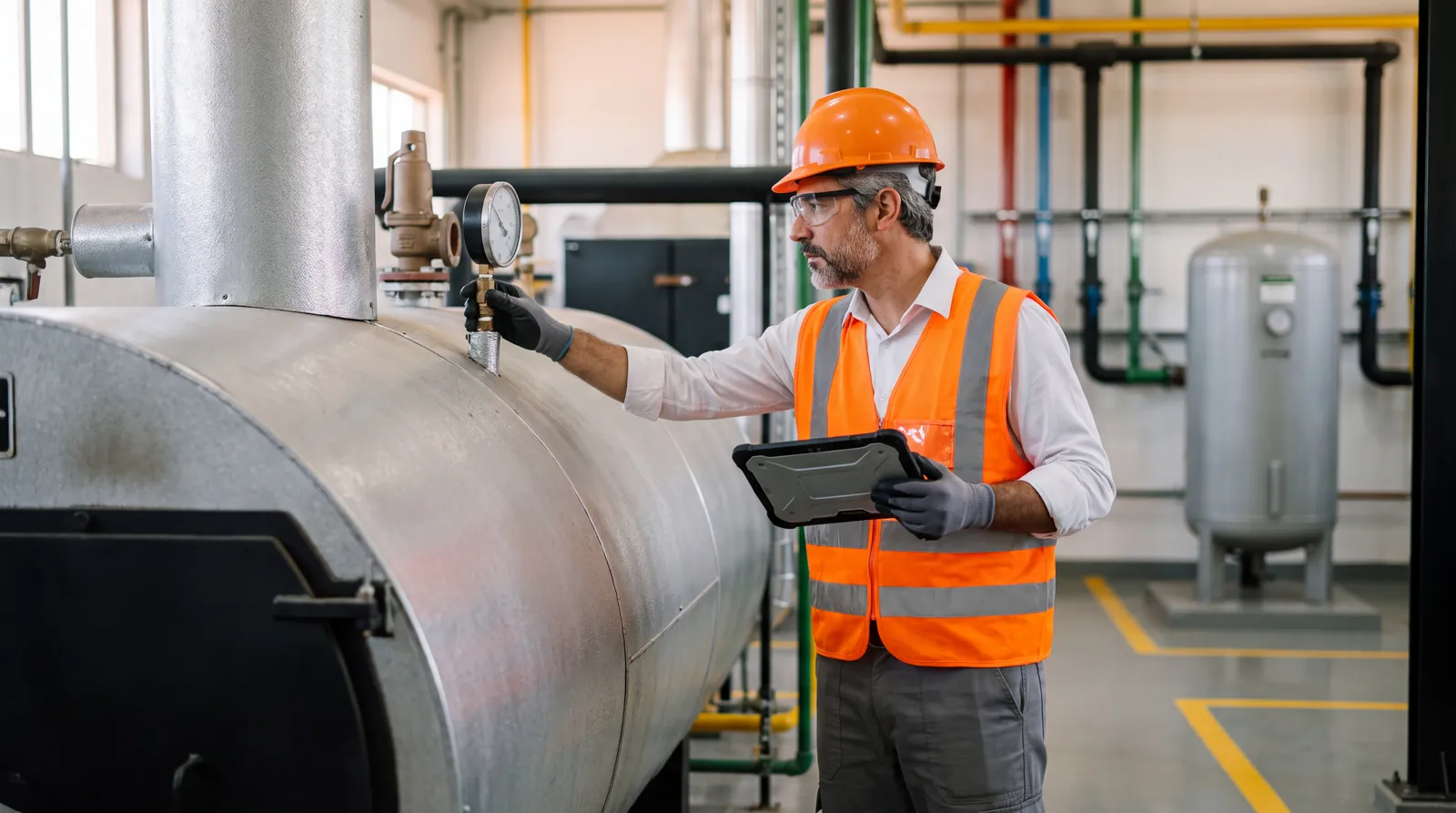
Find out what NR 13 establishes, why safety inspections of boilers and pressure vessels matter, and the role of the Qualified Professional (PH).
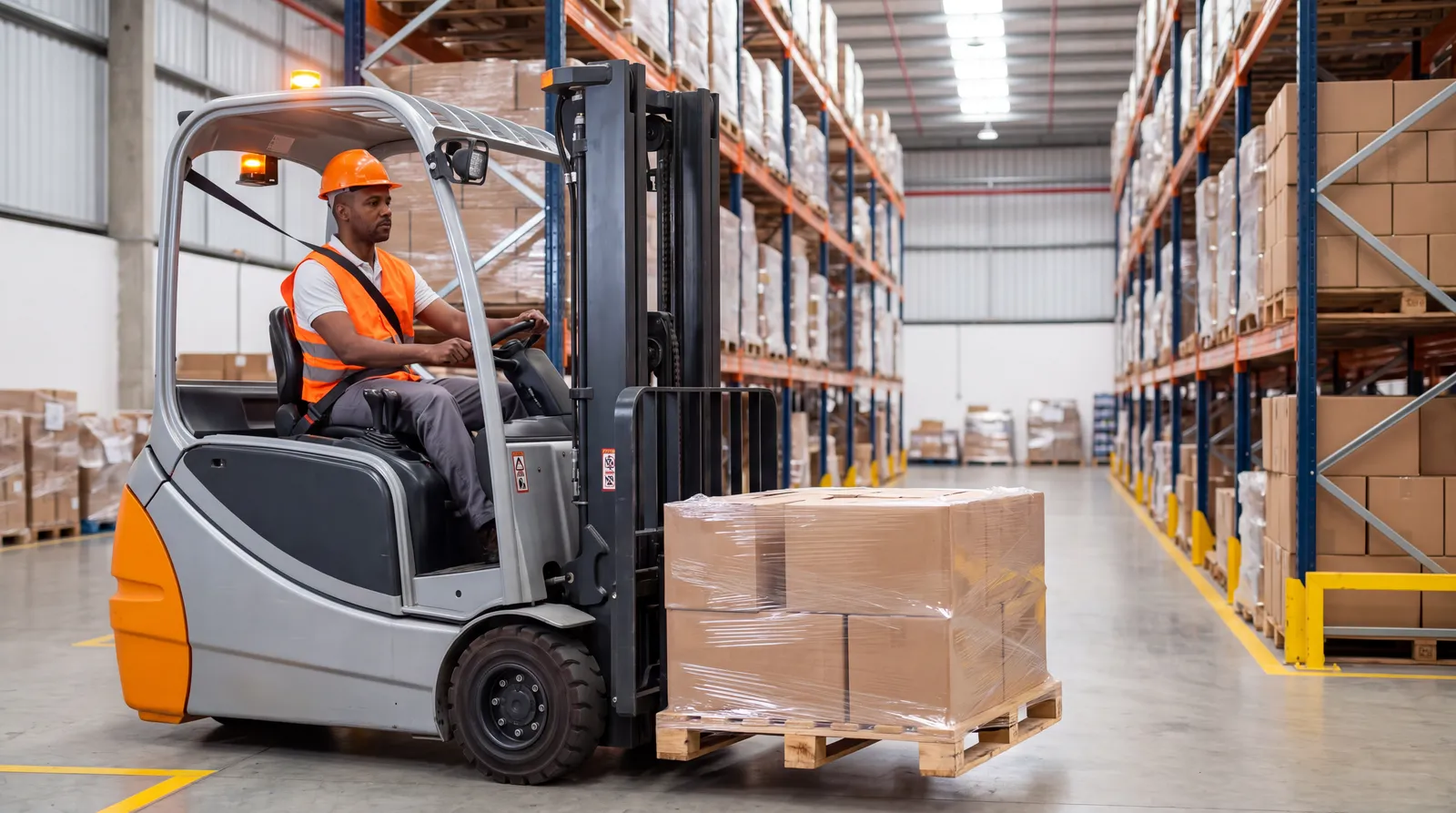
Understand the NR 11 rules for safe transport, handling, storage and manipulation of materials with forklifts, overhead cranes and cranes.
Understand what the updated NR 9 is, how it governs the assessment of physical, chemical and biological agents, and its direct link with the PGR (NR 1).
Get to know NR 8 and understand the technical requirements for ensuring the safety, thermal comfort and structural stability of buildings used as workplaces.
Understand what NR 6 is, the employer's responsibilities when issuing PPE, the worker's duties and how to streamline PPE control in your company.
Simplify your Risk Management, reducing liabilities and ensuring safe, standardized, and auditable operations with fast implementation and advisory support.