Standards
What Is NR 20? Updated Safety Rules for Flammables
Understand what NR 20 (updated in 2025) establishes, the rules for storing and handling flammables, the standard's Classes and the Facility File.
By: Vitória Willemann
Understand what NR 20 (updated in 2025) establishes, the rules for storing and handling flammables, the standard's Classes and the Facility File.
By: Vitória Willemann
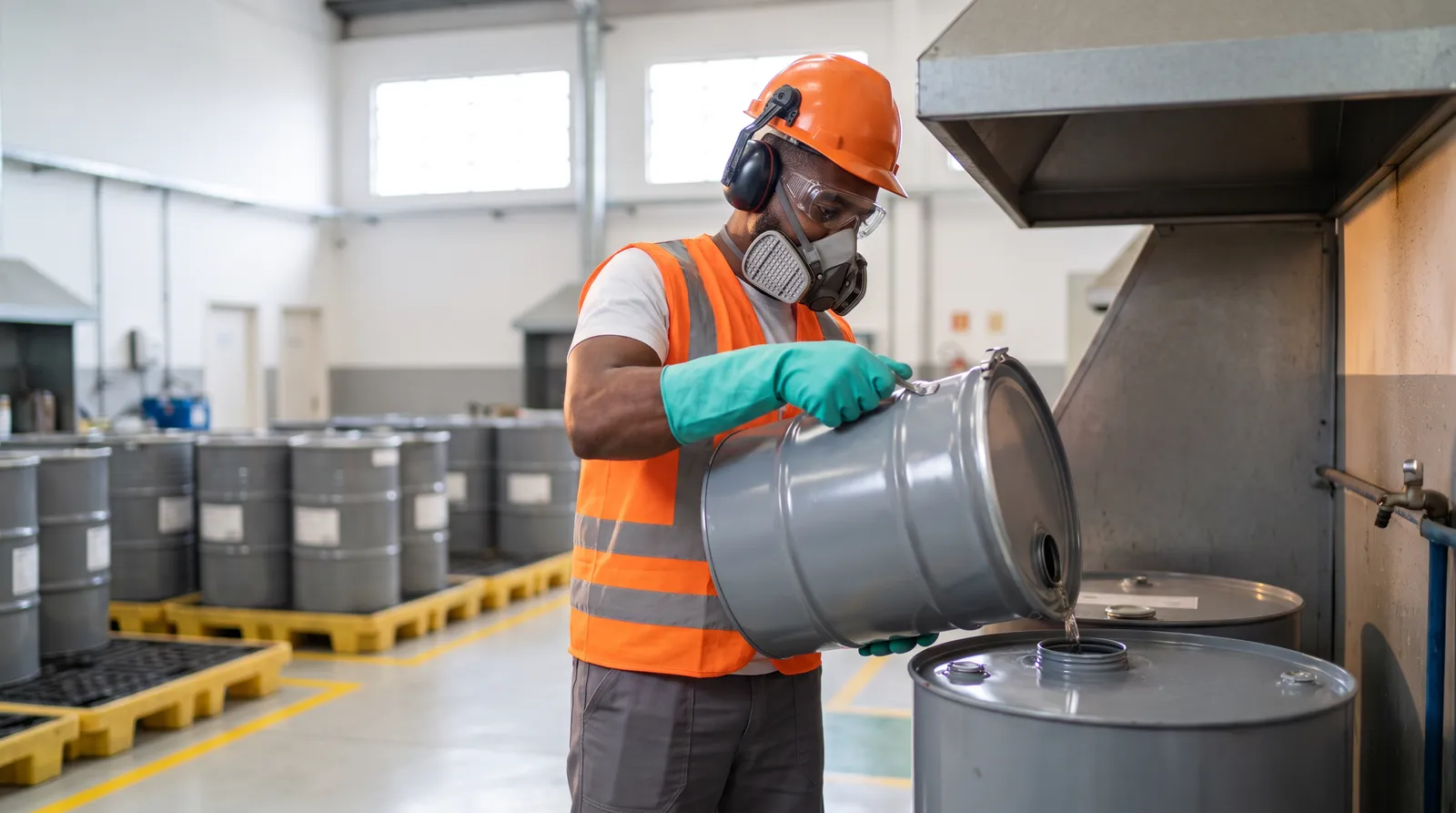
Activities involving the extraction, production, storage, transfer, handling and manipulation of flammables and combustible liquids require strict engineering controls and well-defined operating procedures. Because these substances so easily form explosive atmospheres, and because leaks have a high potential for structural and environmental damage, preventing incidents in these operations leaves no room for improvisation.
To standardise safety controls and mitigate these sources of risk, Brazil's Ministry of Labour and Employment (MTE) sets out NR 20. Based on the current legal requirements (including the parameters consolidated by MTE Ordinance No. 60/2025), this article explores the standard's core guidelines, the technical classification of facilities and the importance of document management to avoid shutdowns.
Regulatory Standard 20 (NR-20) sets the minimum requirements for occupational safety and health management against accident risk factors arising from flammables and combustible liquids.
One of NR 20's distinctive technical features is that it does not apply the same requirements generically to every company. The legislation divides facilities into Classes (I, II and III), based on their main economic activity and their permanent or temporary storage capacity:
The higher the class, the more complex the engineering requirements at the design stage, the Risk Analysis methodologies (such as PHA, HAZOP or LOPA) and the mandatory training hours for the team.
The main document labour inspectors require from companies that handle flammables is the Facility File (Prontuário da Instalação).
The standard requires the employer to organise, maintain and update this technical dossier. It must include, at a minimum, the following documentation:
According to the legal text of the standard, the Facility File for classes I, II and III must include an index. The documents may even be kept physically separate or in computer systems, as long as the index states where they are. Above all, NR 20 requires this entire collection to be readily available to the competent authorities, as well as for consultation by workers and their representatives.
NR 20 is one of the strictest standards when it comes to workforce training (detailed in Annex I of the standard). It requires every worker at the facility — even those who do not handle the product directly but enter the area — to receive specific training.
Training ranges from Induction (for those who work in the area but do not come into contact with the product) to Basic, Intermediate, Advanced I/II and Specific levels (aimed at emergency response professionals).
Beyond prevention, the standard requires a strong focus on mitigation. The company must prepare a structured Emergency Response Plan and run practical drills to ensure that, in the event of a containment failure, the team knows exactly how to evacuate the area, isolate the source and tackle the emergency in its early stages.
To make technical interpretation easier in the day-to-day work of the SESMT (the company's Specialised Service in Safety Engineering and Occupational Medicine), we have put together answers to the most common classification questions:
The technical distinction is based on the Flash Point (the lowest temperature at which a liquid gives off enough vapour to form a flammable mixture with air). Under the current standard:
NR 20 is clear about this scenario in item 20.4.1.2: when a facility's storage capacity falls into two different classes (for example, because it stores flammable liquids and flammable gases in varying volumes), the SESMT and engineering must use the higher class to set the parameters for the safety of the entire plant.
As a rule, yes. Workers who deal directly with flammable liquids (such as filling or tank transfers) or who regularly work inside the "Risk Area" are entitled to the allowance (adicional de periculosidade). However, the demarcation of the area and the validation of the benefit must be technically based on the reports required by NR 16 (Hazardous Activities and Operations), which specifies the exact risk distances for each type of facility.
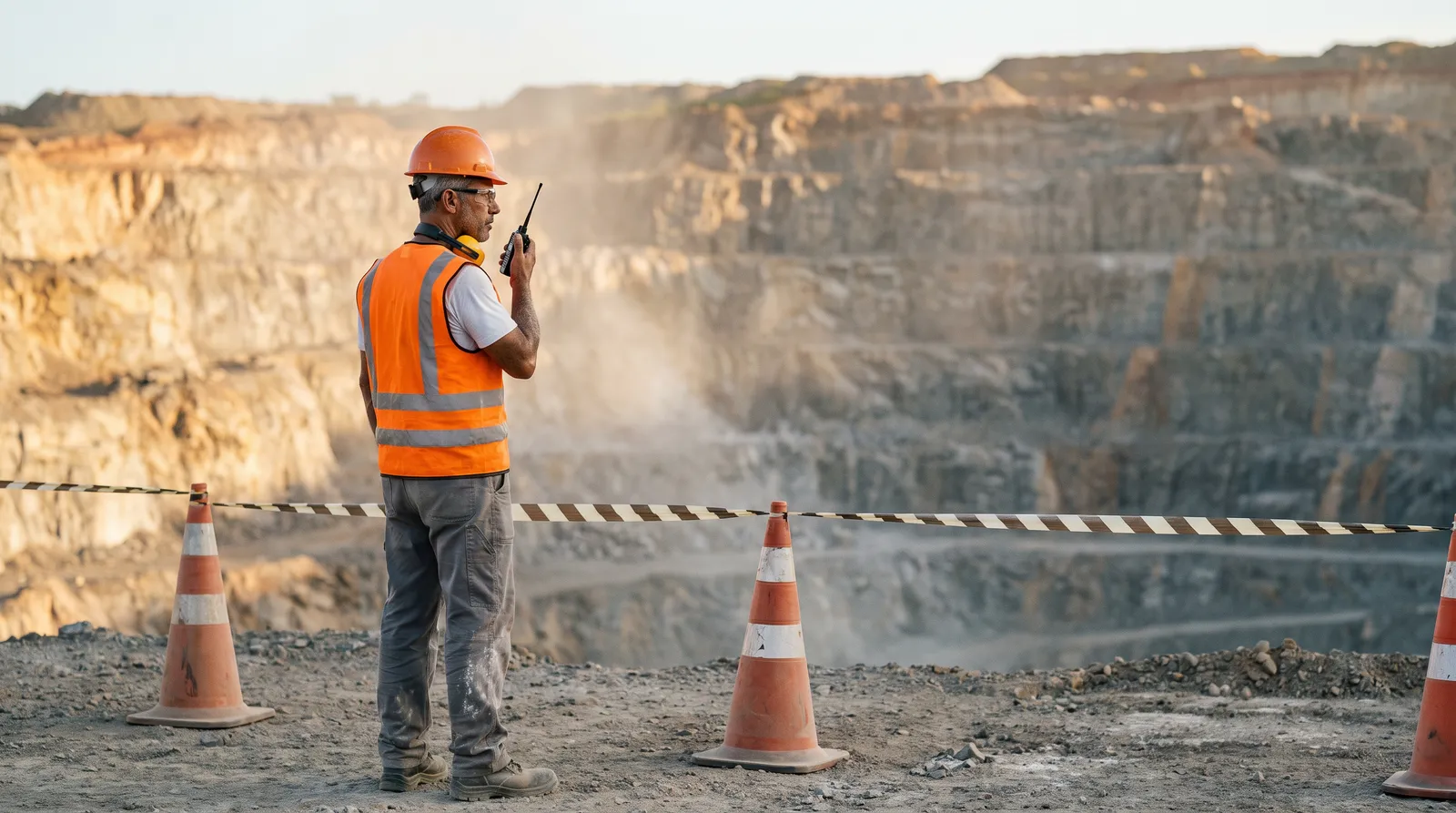
Understand what NR 19 establishes, the strict rules for manufacturing, handling and storing explosives, and the technical prohibitions updated by the MTE.
Understand what NR 16 is, which activities entitle workers to the 30% hazardous work allowance on their base salary and how the technical classification is done.
Understand what NR 15 is, the rules for classifying unhealthy activities, the allowance levels (10%, 20% and 40%) and how to neutralise these risks under MTE rules.
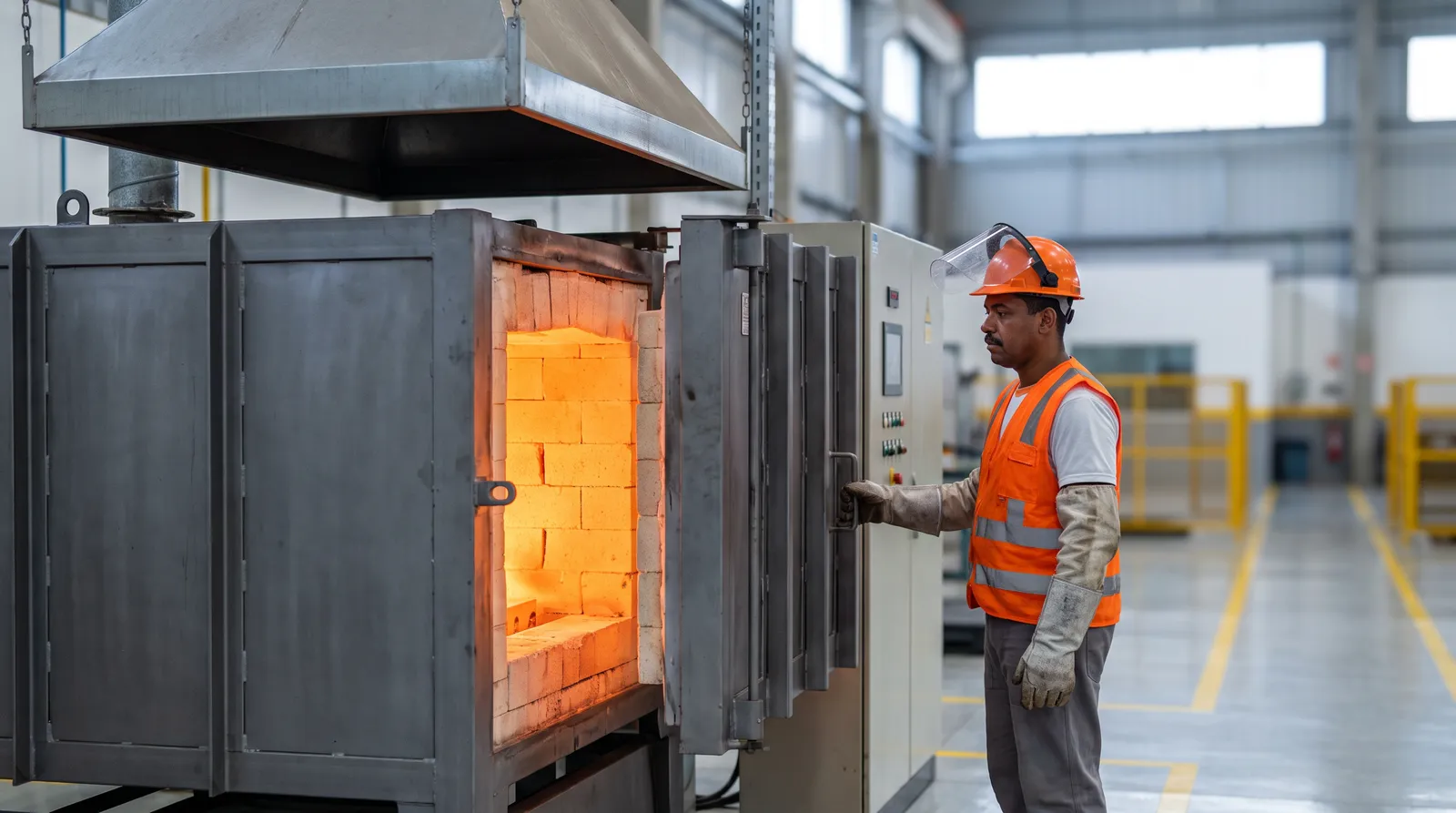
Understand what NR 14 is, the mandatory requirements for installing, lining and safely operating industrial furnaces, and how to avoid explosion risks.
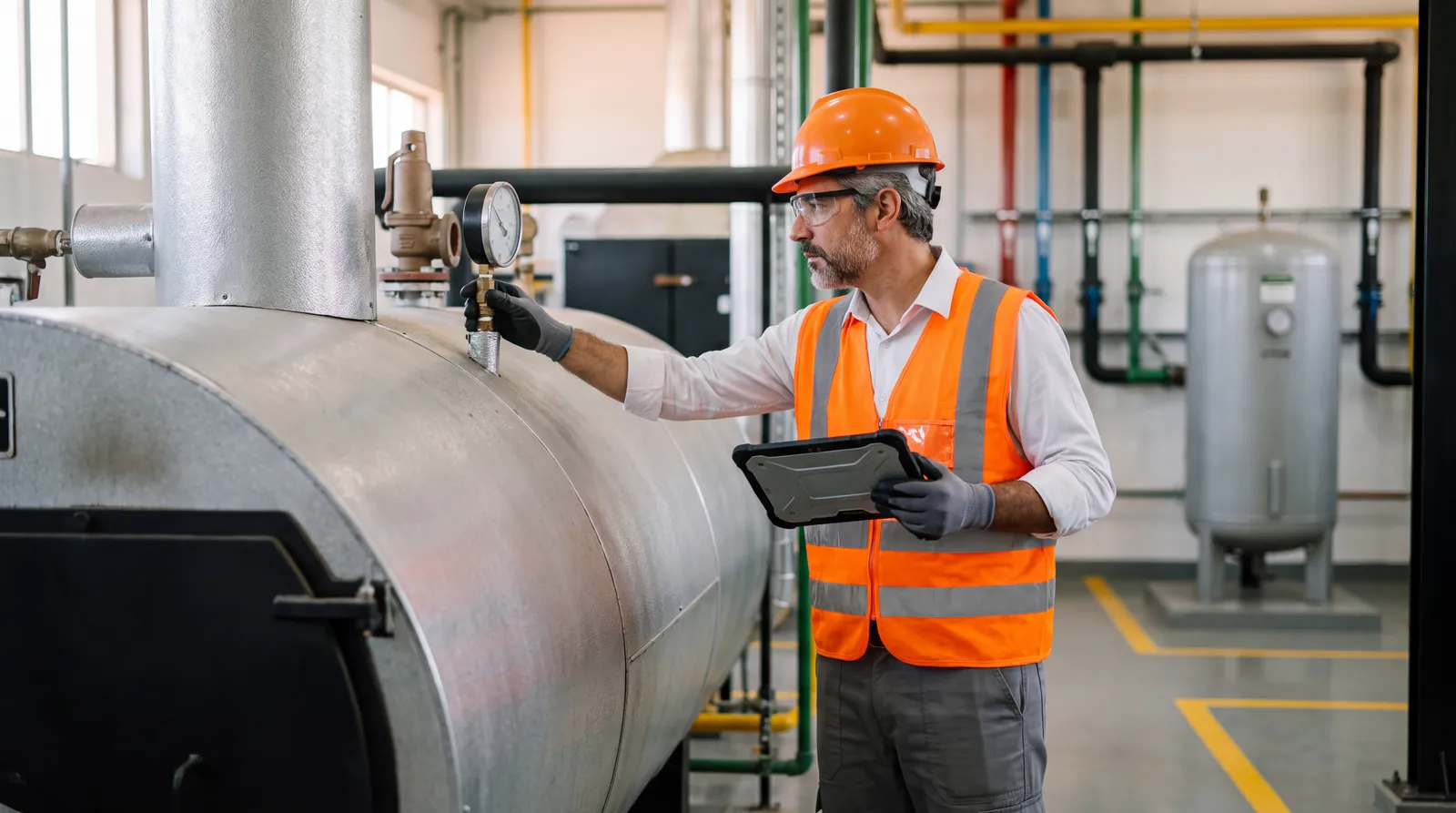
Find out what NR 13 establishes, why safety inspections of boilers and pressure vessels matter, and the role of the Qualified Professional (PH).
Understand the NR 11 rules for safe transport, handling, storage and manipulation of materials with forklifts, overhead cranes and cranes.
Simplify your Risk Management, reducing liabilities and ensuring safe, standardized, and auditable operations with fast implementation and advisory support.