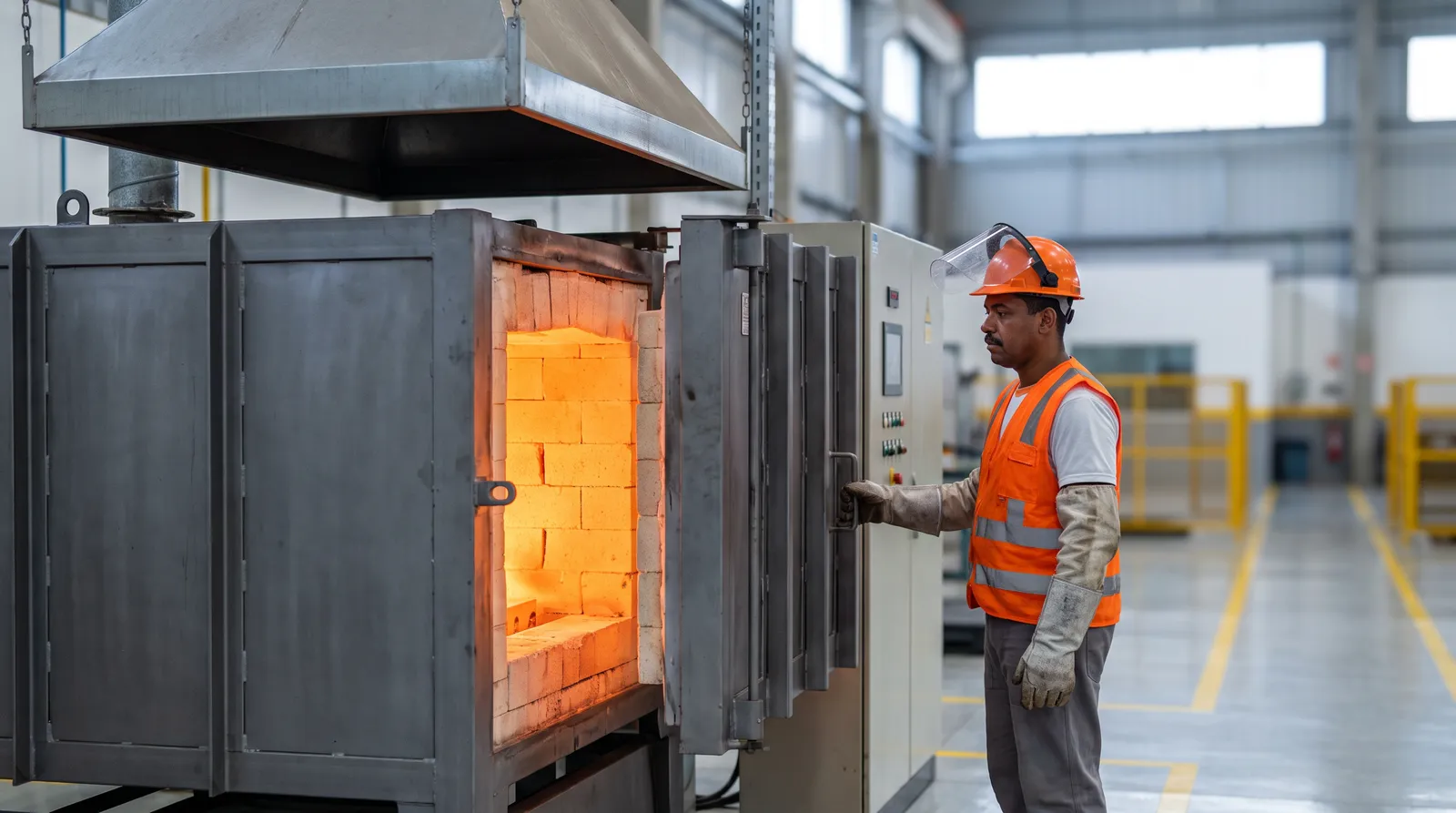
There are workplaces where risk does not act silently or over the long term. In certain operations, a single mistake, spark or equipment failure can cause instant fatalities. To protect and financially compensate workers who operate under these extreme conditions of risk to life, Brazilian labour legislation created NR 16.
This standard regulates Hazardous Activities and Operations and has a direct, rigorous financial impact on companies. In this article, we detail what NR 16 establishes, which professionals are entitled to the allowance and how the Environment, Health and Safety (EHS) department should act to classify and manage these risk areas.
What does NR 16 establish and which activities are hazardous?
Regulatory Standard 16 (NR-16) defines and regulates the activities and operations considered hazardous (perigosas, in Portuguese). While other standards focus on occupational diseases (such as NR 15), NR 16 deals exclusively with the risk of immediate death.
Hazardous conditions are not presumed; they depend on a Technical Report on Environmental Working Conditions (LTCAT, from the Portuguese Laudo Técnico de Condições Ambientais do Trabalho), prepared by an Occupational Physician or Occupational Safety Engineer. The standard is divided into annexes that specify exactly which scenarios are hazardous. Under NR 16, hazardous activities are those involving exposure to:
- Explosives: Manufacturing, storage and transport of explosives (Annex 1).
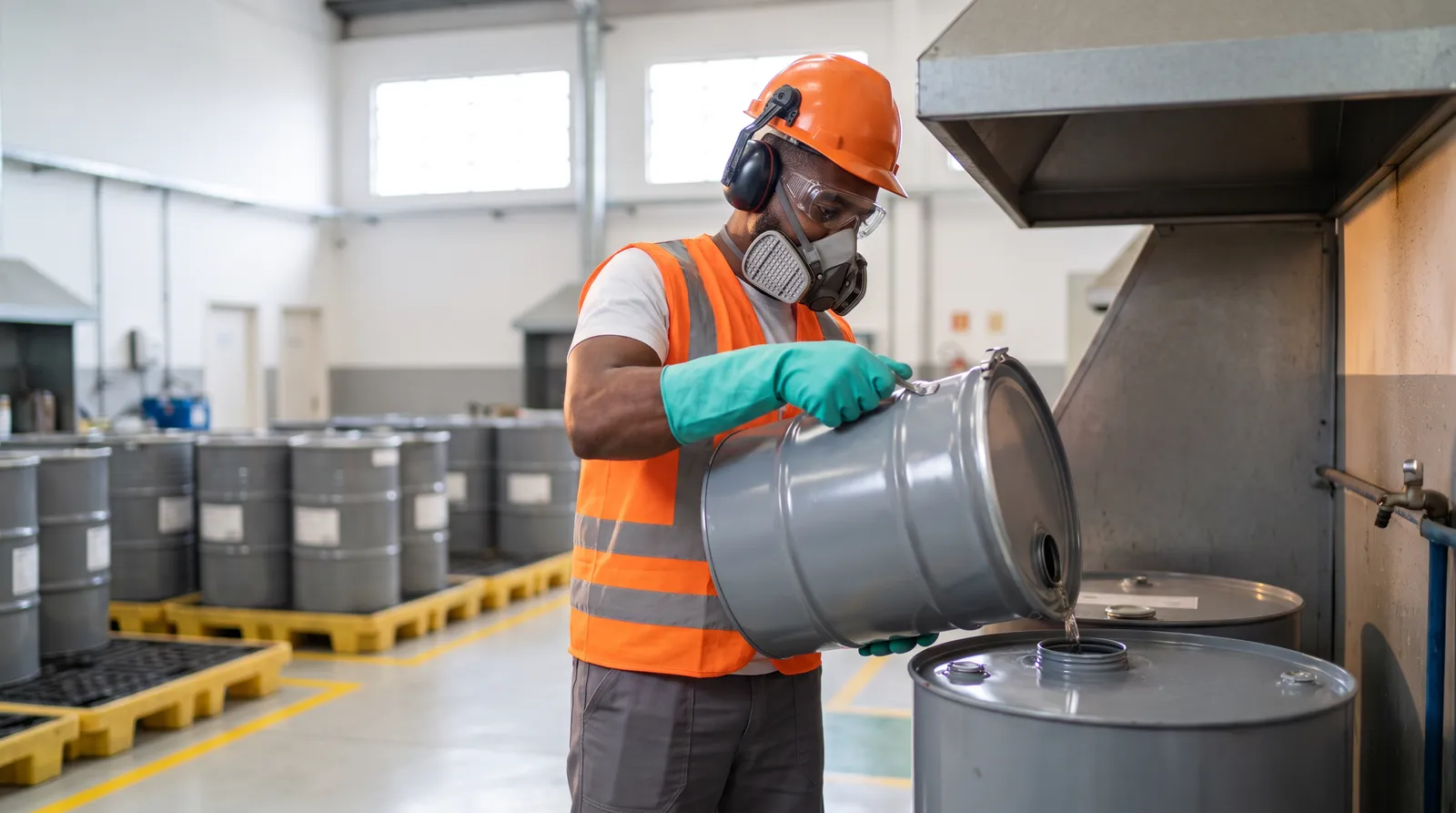
- Flammables: Operations at fuel stations and refineries, and the transport and storage of flammable liquids and gases in large volumes (Annex 2).
- Personal or Property Security: Professionals exposed to robbery or other forms of physical violence in security work (Annex 3).
- Electrical Energy: Workers in the Electric Power System (SEP, from the Portuguese Sistema Elétrico de Potência) or on high-voltage energised electrical equipment and installations (Annex 4).
- Motorcycles: Workers who regularly use a motorcycle to carry out their duties on public roads (Annex 5).
- Ionising Radiation: Operations with radioactive materials or industrial and medical X-ray equipment.
How is the hazardous work allowance calculated?
The financial impact of NR 16 is one of the most significant for companies' cash flow because of its calculation basis. Working in hazardous conditions entitles the worker to an allowance of 30% (thirty per cent) on their base salary.
Note a crucial detail for HR and accounting: unlike other allowances, the hazardous work allowance is calculated on the employee's basic salary, without additions from bonuses, awards or profit-sharing.
Managing risk areas through the SESMT
Unlike heat or noise, the risk of an explosion or a high-voltage electric shock is rarely "neutralised" simply by handing out Personal Protective Equipment (PPE, known in Brazil as EPI).
In managing hazardous work, the focus of the SESMT (the company's Specialised Service in Safety Engineering and Occupational Medicine) and engineering should be on segregating the environment. NR 16 sets exact distances that delimit "Risk Areas" (for example, a 7.5-metre radius around a flammable fuel dispenser).
The best way to manage this liability is to isolate the risk: automating hazardous processes, physically moving non-essential workstations away from the area delimited in the technical report and adopting strict Permit to Work (PT, from the Portuguese Permissão de Trabalho) routines for those who really need to work on the equipment.
Frequently Asked Questions (FAQ) about NR 16
Classifying hazardous work requires extreme technical precision. Based on the official guidelines of the Ministry of Labour, we answer the most common operational questions:
1. What is the difference between unhealthy work and hazardous work?
While the unhealthy work allowance (insalubridade, NR 15) compensates for gradual damage to the worker's health (such as noise-induced hearing loss), the hazardous work allowance (periculosidade, NR 16) compensates for exposure to the risk of imminent death (such as a gas tank explosion). The general rule is that workers cannot receive both allowances at the same time and must choose the more advantageous one, although there is legal debate on the subject. For an in-depth look at this choice rule, read our technical article on the difference between the Unhealthy Work and Hazardous Work Allowances and consult your company's legal team for specific cases.
2. Does providing PPE cancel the right to the hazardous work allowance?
In the vast majority of hazardous work cases, no. Wearing flame-resistant clothing or insulating boots does not eliminate the physical risk of an explosion occurring in the area (Risk Area). PPE minimises injury, but the risk to life inherent in the operation remains, which generally keeps the right to the 30% allowance, except in rare cases certified in the expert report.
3. Does spending a short time in the risk area entitle a worker to the allowance?
This is a sensitive point in audits and lawsuits. Precedent 364 of the TST (Brazil's Superior Labour Court) and the technical interpretation of the standard indicate that the allowance is due when contact with the risk is permanent or intermittent (routine). Payment is only not due when contact is occasional (sporadic, unpredictable) or lasts an extremely short time that does not amount to a routine of exposure.