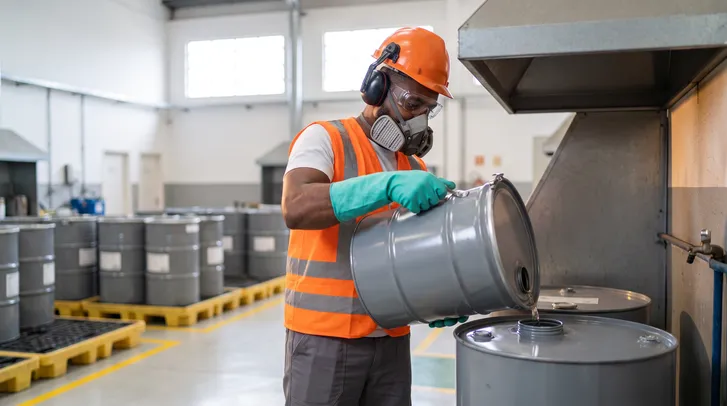
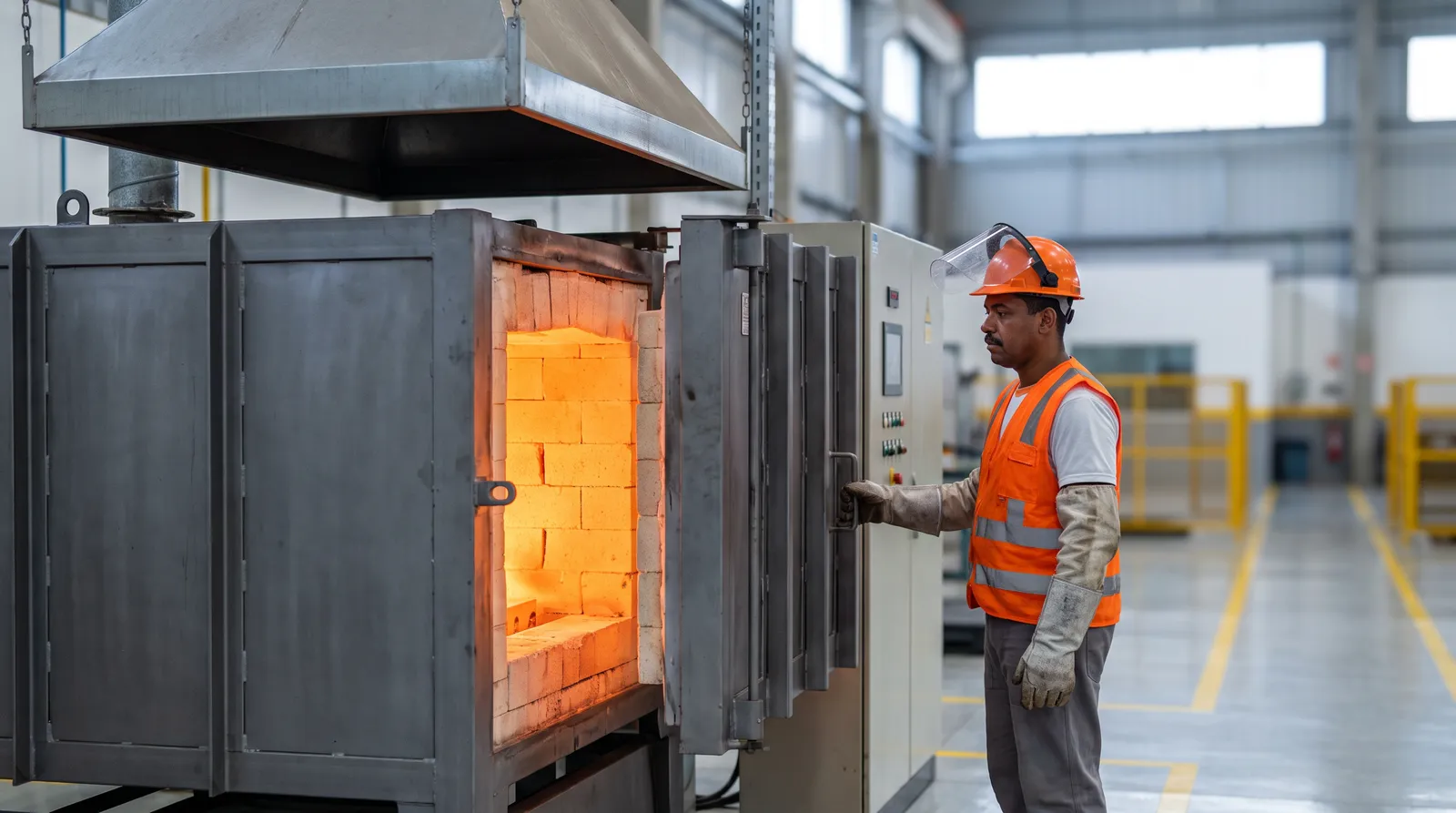
Exposure to deafening noise, extreme heat, chemicals or harmful biological agents takes a toll on workers' health. When engineering cannot eliminate these hazards from the workplace, Brazilian legislation requires structured, technically certified financial compensation.
NR 15 exists to regulate this compensation and to define the "Tolerance Limits" the human body can withstand. As one of the standards with the greatest direct impact on companies' payroll and labour liabilities, in this article we detail what it establishes, how the levels of unhealthiness work and the legal ways to neutralise the risk.
What does NR 15 establish, and what are Tolerance Limits?
Regulatory Standard 15 (NR-15) defines which activities and operations are considered unhealthy (insalubres, in Portuguese). The term refers to environments and activities that expose employees to agents harmful to health (physical, chemical or biological) above very specific parameters.
The heart of the standard is the concept of the Tolerance Limit. According to the official text, the Tolerance Limit is the maximum or minimum concentration or intensity, related to the nature and duration of exposure to the agent, that will not harm the worker's health during their working life.
The standard has several technical annexes, each detailing the assessment methodology for a specific agent (impact and continuous noise, heat, radiation, vibration, cold, humidity, chemical and biological agents). Unhealthy conditions are only legally recognised when proven by a workplace inspection report prepared by an Occupational Physician or Occupational Safety Engineer, under article 195 of the CLT (Brazil's Consolidated Labour Laws).
Levels of unhealthiness and the financial calculation
When the report finds that exposure exceeds the legal limits without proper neutralisation, the worker becomes entitled to the unhealthy work allowance (adicional de insalubridade). NR 15 sets three different levels, calculated on the regional minimum wage (except where specific collective agreements set a different base salary):
- Minimum Level: 10% allowance.
- Medium Level: 20% allowance.
- Maximum Level: 40% allowance.
The classification depends strictly on the standard's annexes. Unprotected exposure to infectious biological agents in isolation areas, for example, qualifies for the maximum level (40%), while exposure to continuous noise above the limit may be classified as medium level (20%).
A critical point set by NR 15: where more than one unhealthy factor is present (e.g. noise and heat at the same time), only the highest level is taken into account for the pay increase, and receiving cumulative levels (such as 20% + 40%) is prohibited.
How to eliminate or neutralise unhealthy conditions?
The goal of an EHS (Environment, Health and Safety) department is not to manage allowance payments, but to protect the employee. Item 15.4 of the standard provides that unhealthy conditions are eliminated or neutralised (and payment of the allowance stops) by reducing the intensity of the agent to within the tolerance limits.
The legislation determines that this must be done primarily through general measures (Collective Protective Equipment — EPC, from the Portuguese Equipamentos de Proteção Coletiva), such as acoustic enclosures or gas exhaust systems. When EPCs are not enough, neutralisation is achieved through the use of Personal Protective Equipment (PPE, known in Brazil as EPI).
However, simply handing over the equipment does not cancel the allowance. The company must prove delivery, effectiveness (Certificate of Approval, or CA) and actual use, through rigorous PPE CA control and delivery records, linked to the requirements of NR 6.
Frequently Asked Questions (FAQ) about NR 15
The technical interpretation of reports often raises operational and legal questions. Based on the official guidelines of the standard and the CLT, we clarify the critical points:
1. What is the difference between unhealthy work and hazardous work? Can I receive both allowances?
This is one of the most common questions in HR and the SESMT (the company's Specialised Service in Safety Engineering and Occupational Medicine). In general terms, unhealthy work (NR 15) deals with medium- and long-term health risks (such as dust or noise), while hazardous work (periculosidade, NR 16) deals with the risk of immediate death (explosives, high voltage). As for the legal possibility of combining the two payments (receiving both at the same time), the general CLT rule requires the worker to choose one. However, since Labour Court interpretations can vary depending on the situation, it is highly advisable to consult a labour lawyer or legal specialist to assess your company's specific case. To understand the basic concepts and see practical examples, read our guide on the difference between the Unhealthy Work and Hazardous Work Allowances.
2. Are unhealthy conditions determined only by quantitative limits?
Most agents require quantitative assessment (measuring with occupational hygiene equipment to check whether the tolerance limit has been exceeded, such as decibels for noise). However, NR 15 also has qualitative annexes (such as Annex 13 for certain chemical agents and Annex 14 for biological agents), where unhealthy conditions are inherent to the activity and contact itself, regardless of concentration, requiring rigorous analysis by the engineer or physician in the report.
3. Can pregnant workers work in unhealthy environments?
Under current Brazilian labour legislation (CLT), pregnant workers must be removed from any activities and operations classified as unhealthy at the maximum level. For the medium and minimum levels, removal takes place upon presentation of a medical certificate from a physician of the woman's choice, guaranteeing maternity protection without loss of pay.