For more than two decades, the routine of occupational safety professionals in Brazil was tied to preparing the PPRA (Programa de Prevenção de Riscos Ambientais, the Environmental Risk Prevention Programme), the former core document of NR 9. However, labour legislation has evolved, and the scope of this standard has changed dramatically.
If you still have questions about how to handle occupational hygiene in your company after the regulatory updates, this article explains what NR 9 is today, its technical focus and how it connects with the other requirements of the Ministry of Labour and Employment.
What is NR 9 today?
Regulatory Standard 9 (NR-9) sets out the requirements for the Assessment and Control of Occupational Exposures to Physical, Chemical and Biological Agents.
With the overhaul of the legal text, NR 9 is no longer a "management programme" (as the former PPRA was). Today, it works as a methodological and technical manual. Its main purpose is to set the rules for how measurements of noise, heat, vibration, dust and chemicals must be carried out in the workplace, ensuring that workers are not exposed to levels that are harmful to their health.
How NR 9 integrates with NR 01 (PGR)
The main question professionals ask is: where did the information that used to be in the old PPRA go?
The answer lies in how the standards now fit together. Today, Occupational Risk Management (GRO, from the Portuguese Gerenciamento de Riscos Ocupacionais) is governed by NR 01, which requires the creation of the PGR (Programa de Gerenciamento de Riscos, the Risk Management Programme). NR 9 acts as a technical annex to this system.
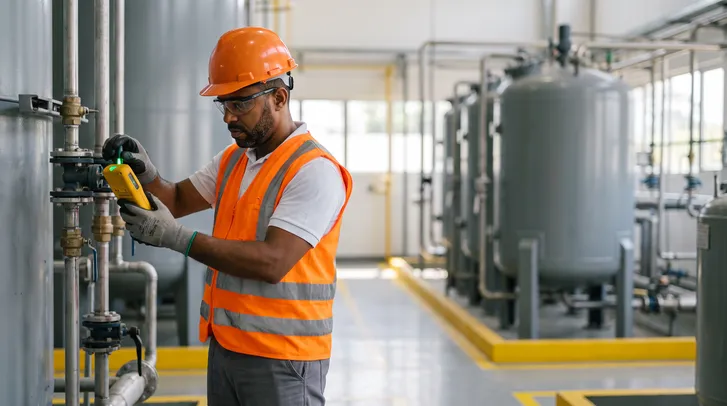
In practice, it works like this: NR 9 defines how the SESMT (the company's Specialised Service in Safety Engineering and Occupational Medicine) should measure and assess the dust from a saw or the noise from an engine. The results of these quantitative measurements and the control measures adopted feed directly into the PGR's risk inventory. Without the methodological basis of NR 9, the PGR is incomplete and lacks technical validity.
Prevention and control measures
The standard sets a strict hierarchy for implementing control measures, which must be adopted whenever exposure reaches the action level or exceeds the tolerance limit. The order of priority is:
- Elimination or reduction of the agent: Replace a toxic chemical with a less harmful one or change the production process.
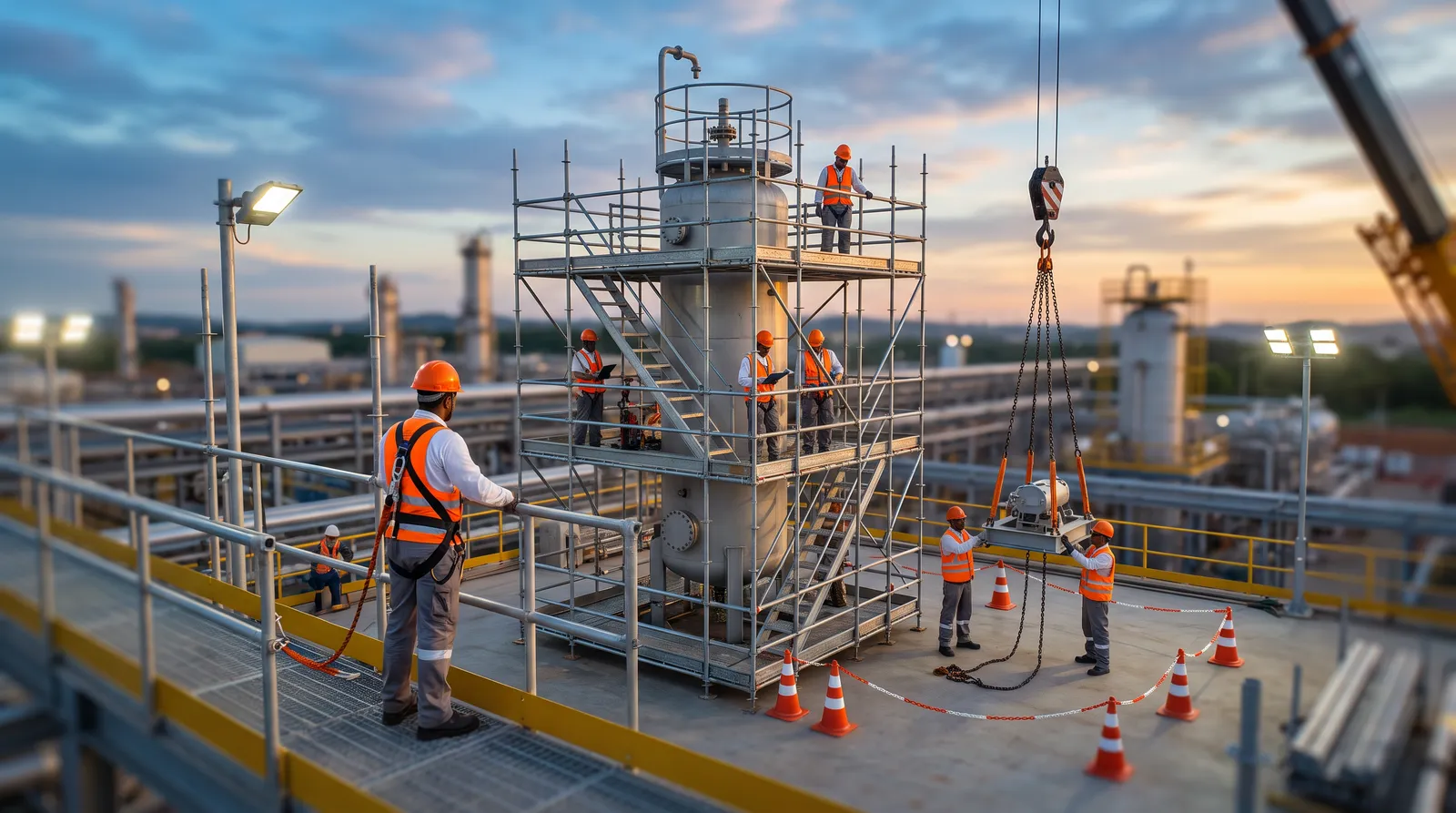
- Collective Protection Measures (EPC, from the Portuguese Equipamentos de Proteção Coletiva): Install acoustic barriers, local exhaust ventilation systems and machine enclosures.
- Administrative Measures: Reduce the worker's exposure time by implementing shift rotations.
- Personal Protective Equipment (PPE, known in Brazil as EPI): As a last resort, provide PPE with a valid CA, as required by the rules of NR 6.
To keep these measures from staying on paper only, companies must keep strict control over the deadlines of the action plan integrated into the PGR, ensuring that the workplace remains safe on an ongoing basis.