Content based on the official text of NR 32, consulted on 12/11/2026.
NR 32 is the Brazilian Regulatory Standard that sets the basic guidelines for protecting the safety and health of workers in healthcare services. It applies to any building intended to provide healthcare to the population and covers biological and chemical risks and ionising radiation. It was approved by MTb Ordinance No. 485/2005.
NR 32 at a glance
| Topic | What NR 32 says |
|---|
| Purpose | Basic guidelines for measures protecting the safety and health of workers in healthcare services (item 32.1.1) |
| Healthcare service | Any building intended to provide healthcare to the population (32.1.2) |
| Vaccination | Free immunisation against tetanus, diphtheria, hepatitis B and those set out in the PCMSO (32.2.4.17.1) |
| Needles | Recapping and manually disconnecting needles are prohibited (32.2.4.15) |
| Sharps | Sharps Injury Prevention Plan, in line with Annex III (32.2.4.16) |
| Training | Before activities begin and on an ongoing basis (32.2.4.9) |
| Ionising radiation | Radiation Protection Plan approved by CNEN kept at the workplace (32.4.2) |
| Legal basis | MTb Ordinance No. 485/2005, as amended up to MTP Ordinance No. 4,219/2022 |
What is NR 32 and who does it apply to?
NR 32 is the Ministry of Labour and Employment's standard for people who work in healthcare services. Under item 32.1.2, a healthcare service is any building intended to provide healthcare to the population.
This includes hospitals, clinics, laboratories, medical offices and other healthcare facilities. The standard protects all workers in these places, not just healthcare professionals.
What does NR 32 require on biological risks?
The PGR (Programa de Gerenciamento de Riscos, Risk Management Programme) must identify the most likely biological risks and assess the workplace and the worker (32.2.2.1). In addition, item 32.2.4.5 prohibits, among other things:
- using work sinks for other purposes;
- smoking and wearing jewellery and contact lenses at workstations;
- eating and drinking at workstations;
- storing food in places not intended for it;
- wearing open-toed shoes.
Workers must be trained before they start their activities and on an ongoing basis (32.2.4.9).
Which vaccines does NR 32 require?
Under item 32.2.4.17.1, every healthcare worker must receive, free of charge, active immunisation against tetanus, diphtheria and hepatitis B, as well as the vaccines set out in the PCMSO (Occupational Health Medical Control Programme).
Vaccination must be recorded in the worker's individual clinical record (32.2.4.17.6), and the worker must receive proof of vaccination (32.2.4.17.7).
What does NR 32 say about needles and sharps?
Item 32.2.4.15 is clear: recapping and manually disconnecting needles are prohibited.
In addition, the employer must prepare and implement a Sharps Injury Prevention Plan, in line with Annex III of the standard (32.2.4.16).
What about chemical risks and ionising radiation?
Chemicals:
- the PGR must include an inventory of all chemicals, including intermediates and waste (32.3.4.1);
- reusing chemical containers is prohibited (32.3.3);
- the room where antineoplastic chemotherapy drugs are prepared must have a Class II B2 Biological Safety Cabinet (32.3.9.4.5).
Ionising radiation:
- the service must keep the Radiation Protection Plan (PPR), approved by CNEN (Brazil's National Nuclear Energy Commission), at the workplace (32.4.2);
- pregnant workers must be removed from activities involving ionising radiation (32.4.4).
How to apply NR 32 in practice
- Update the PGR. Include biological risks, the chemical inventory and radiation sources.
- Organise vaccination. Record each worker's doses and provide proof of vaccination.
- Implement the sharps plan. Follow Annex III and track accidents.
- Train before and on an ongoing basis. Train on hiring and keep up refresher training.
- Enforce the prohibitions. Jewellery, open-toed shoes and food at workstations.
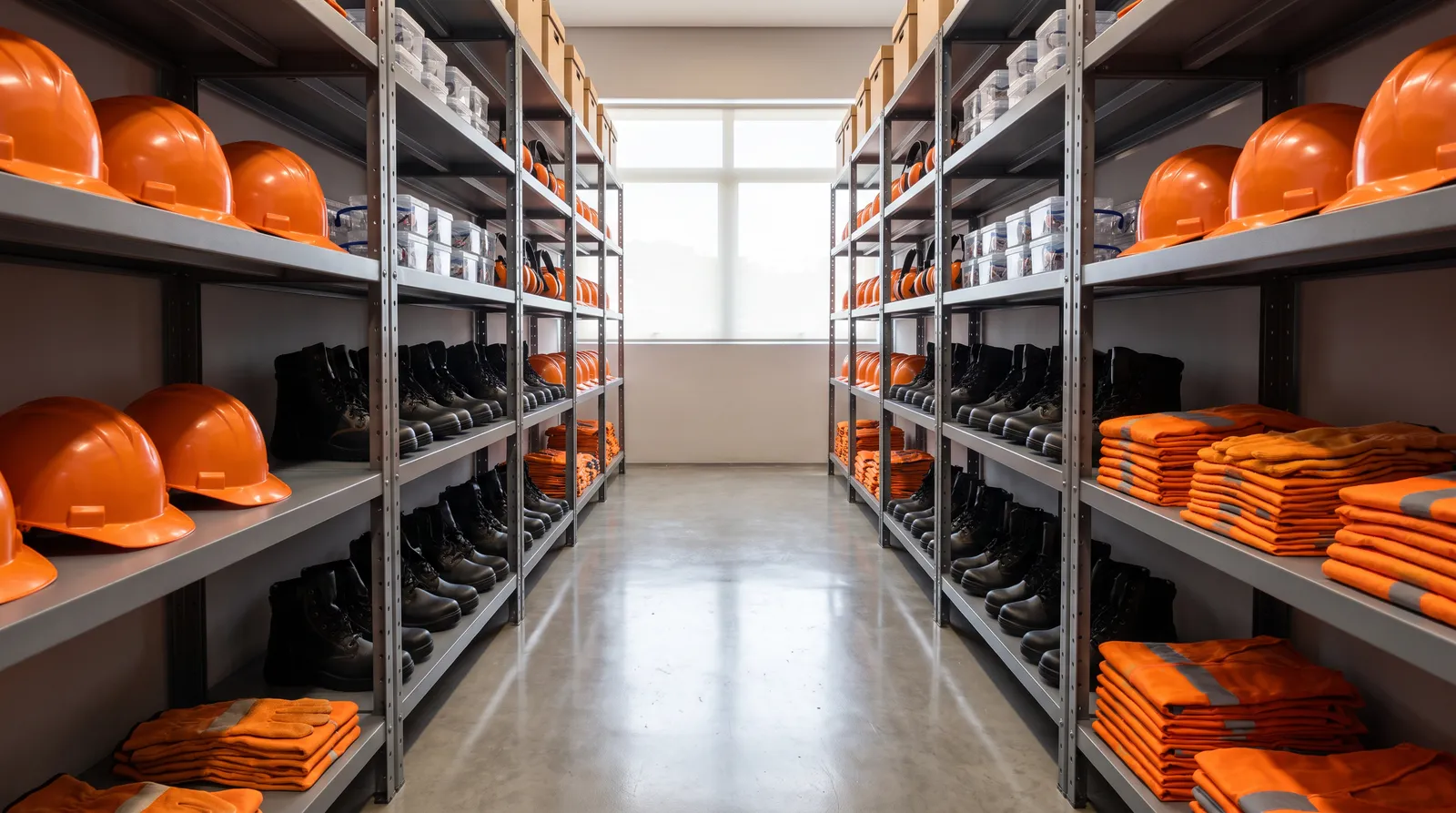
- Control PPE. Issue the right equipment for each activity and record each delivery.
How GAP helps you comply with NR 32
GAP's Employee Management tracks in-person and online training, issuing certificates, monitoring validity and sending expiry alerts, which helps maintain the ongoing training the standard requires.
PPE Management defines which PPE each role should receive and records every delivery with a digital signature or facial recognition, with a history for each employee.
Want to keep your healthcare team's training and PPE up to date? Schedule a demo.
Frequently asked questions about NR 32
What is NR 32?
It is the Brazilian Regulatory Standard that sets the basic guidelines for protecting the safety and health of workers in healthcare services. It was approved by MTb Ordinance No. 485/2005.
Does NR 32 prohibit recapping needles?
Yes. Item 32.2.4.15 of NR 32 states that recapping and manually disconnecting needles are prohibited.
Which vaccines does NR 32 require?
Active immunisation against tetanus, diphtheria and hepatitis B, as well as those set out in the PCMSO, provided free of charge by the employer (item 32.2.4.17.1). Vaccination must be recorded in the clinical record and the worker receives proof of vaccination.
Does NR 32 prohibit open-toed shoes?
Yes. Item 32.2.4.5 prohibits wearing open-toed shoes, along with other practices such as wearing jewellery and eating at workstations.
Can pregnant workers work with ionising radiation?
No. Item 32.4.4 of NR 32 requires pregnant workers to be removed from activities involving ionising radiation.
Official sources
Read also