Standards
What Is NR 22? Occupational Safety and Health in Mining
Understand NR 22, the rules for mining in Brazil, how the CIPAMIN works and the requirements of the sector's Risk Management Programme (PGR).
By: Vitória Willemann
Understand NR 22, the rules for mining in Brazil, how the CIPAMIN works and the requirements of the sector's Risk Management Programme (PGR).
By: Vitória Willemann
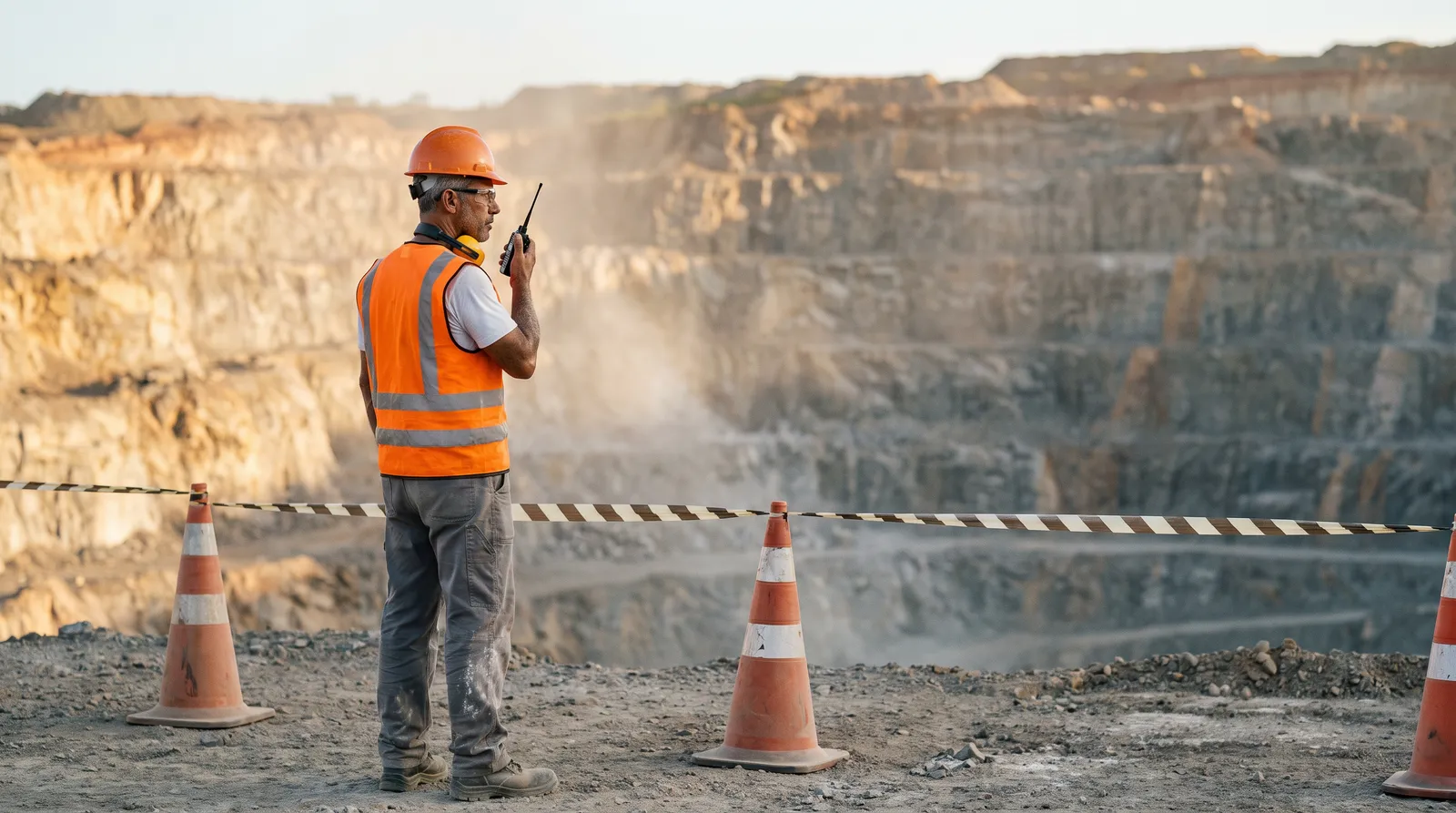
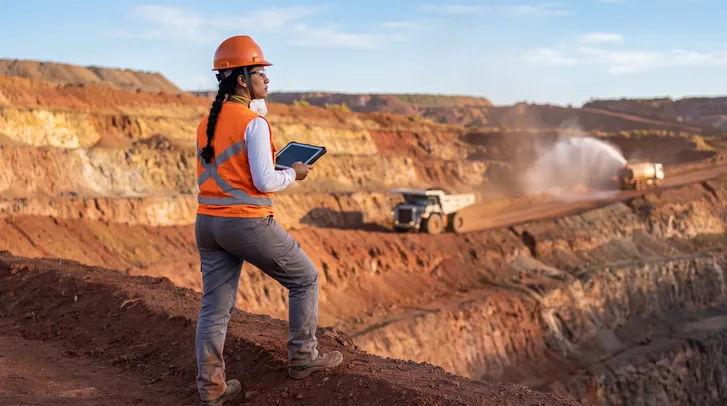
From a safety engineering perspective, mining is one of the most critical economic activities in the world. Underground and open-pit operations involve moving heavy machinery, using explosives, the risk of collapse and continuous exposure to mineral dust.
To regulate this extremely complex and high-severity environment, Brazil's Ministry of Labour and Employment sets out NR 22. This article details the requirements of this sector standard, the mandatory environmental controls and the structured risk management needed to ensure safe operations in Brazilian mines.
The purpose of Regulatory Standard 22 (NR-22) is to set the principles to be followed in the organisation and working environment of the mineral extraction industry, so that the planning and development of mining activity are compatible with the ongoing pursuit of workers' safety and health.
The scope of the standard is broad: it applies to underground and open-pit mining, small-scale mining (garimpos), mineral processing and mineral exploration. Given the specific nature of the sector, NR 22 takes precedence over the guidelines of general standards where they differ, acting as the main compliance manual for mining companies.
While ordinary companies prepare their PGR (Programa de Gerenciamento de Riscos, the Risk Management Programme) under NR 1, mining follows its own, far more in-depth procedure required by NR 22. The mining PGR must include rigorous surveys, including:
Because of the inherent risks, worker representation is also specialised. The standard requires the creation of the Internal Commission for Accident Prevention in Mining (CIPAMIN, from the Portuguese Comissão Interna de Prevenção de Acidentes na Mineração).
The CIPAMIN has duties similar to those of the conventional CIPA, but requires longer training with a direct focus on basic geology, ventilation and gas control. The CIPAMIN is sized based on the risk level of the mining activity and the number of employees at the site.
To clarify the technical and operational requirements, we answer the most common questions about the mining sector:
The CIPAMIN is a commission exclusive to the mining sector. While the general CIPA is governed by NR 5, the CIPAMIN follows the sizing table and training rules of NR 22. Training for CIPAMIN members is more extensive (up to 40 hours, depending on the risk) and includes technical content such as rock mass stability, explosives and rescue, which are not part of the ordinary CIPA curriculum.
Yes. NR 22 dedicates a specific chapter (item 22.37) to small-scale mining. Although it recognises the differences in structural scale, the standard requires mandatory preventive measures for these operations, such as a ban on lone working, rules for excavation and protection against direct contact with mercury.
No. Mining is regulated by a sector standard (NR 22). The PGR prepared for the mine must fully meet the requirements detailed in item 22.3 of NR 22. NR 1 applies only on a supplementary basis — that is, where NR 22 is silent — but the backbone of the mining company's risk management must strictly follow the model of the mining standard.
Understand what NR 21 establishes, the requirements for protection against the weather, the rules on worker housing and how it relates to NRs 18 and 31.
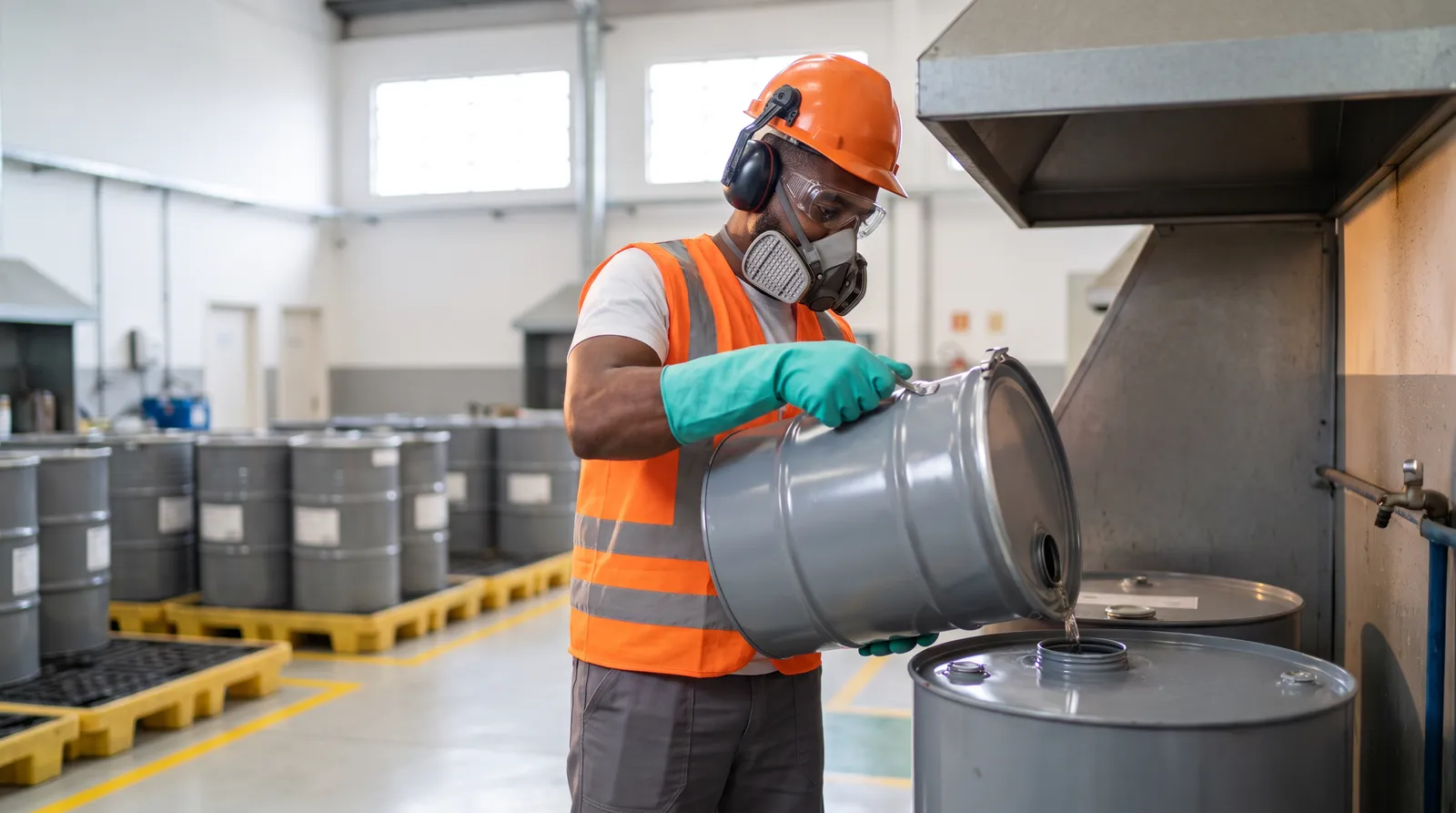
Understand what NR 20 (updated in 2025) establishes, the rules for storing and handling flammables, the standard's Classes and the Facility File.
Understand what NR 19 establishes, the strict rules for manufacturing, handling and storing explosives, and the technical prohibitions updated by the MTE.
Understand what NR 16 is, which activities entitle workers to the 30% hazardous work allowance on their base salary and how the technical classification is done.
Understand what NR 15 is, the rules for classifying unhealthy activities, the allowance levels (10%, 20% and 40%) and how to neutralise these risks under MTE rules.
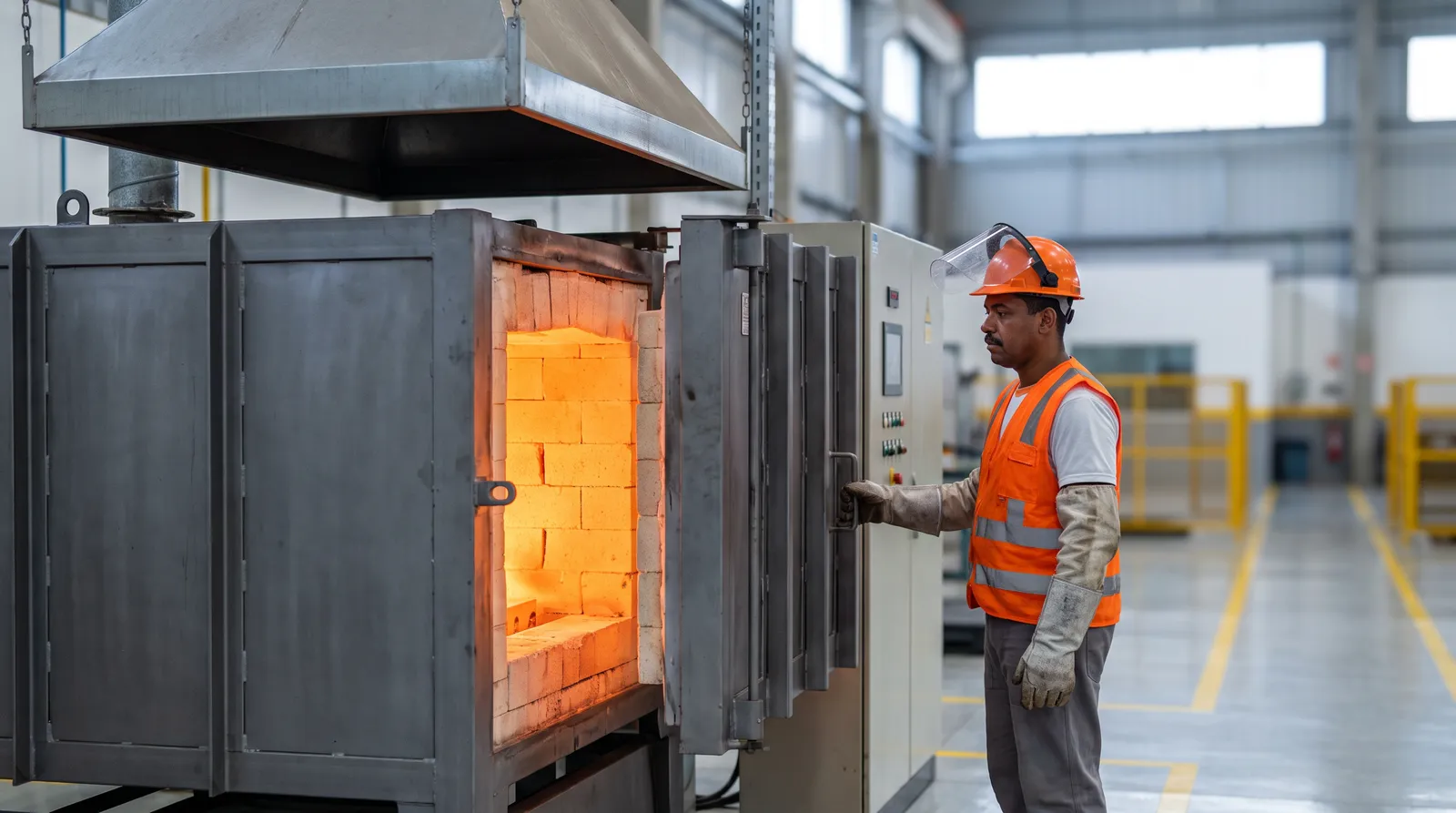
Understand what NR 14 is, the mandatory requirements for installing, lining and safely operating industrial furnaces, and how to avoid explosion risks.
Simplify your Risk Management, reducing liabilities and ensuring safe, standardized, and auditable operations with fast implementation and advisory support.