Standards
NR17: what it is, and Ergonomics at Work

Understand clearly what NR17 is, how to identify ergonomic risks in the work environment, and the importance of training for the team.
By: Vitória Willemann
Understand clearly what NR17 is, how to identify ergonomic risks in the work environment, and the importance of training for the team.
By: Vitória Willemann
Adapting the work environment to human needs is the basic principle to avoid injuries, absenteeism, and drops in productivity. It is precisely in this scenario that the regulatory standard focused on the comfort and physical and mental health of employees comes into play.
But, after all, what is NR17?
In a direct way, NR-17 is the Brazilian standard that establishes the legal parameters of ergonomics. Its goal is to ensure that working conditions are adapted to the psychophysiological characteristics of workers, providing maximum comfort, safety, and efficient performance. This covers everything from the weight the employee carries to the noise level of the environment and the way the company's goals are demanded.
Ergonomic risks are factors that can interfere with the physical and psychological integrity of the worker, causing discomfort or long-term health problems, such as Repetitive Strain Injuries (RSI) and Work-Related Musculoskeletal Disorders (WRMSD).
To keep your operation in compliance with the updated NR-17, it is essential to monitor the following scenarios:
Until recently, companies believed they needed a dense and complex document for any ergonomic risk. The new wording of NR-17 organized this requirement into two very clear stages:
1. Preliminary Ergonomic Evaluation (AEP): Now, every company must perform the AEP. It is a simpler mapping stage, focused on identifying hazards and adopting immediate control measures. The great advantage is that the AEP must be integrated directly into the Risk Management Program (PGR) of NR-01.
2. Ergonomic Work Analysis (AET): The AET has become an in-depth study, required only in specific situations, such as when the AEP is inconclusive, when there is a need for complex changes in the environment, or to investigate the cause of work-related accidents and illnesses.
Just providing an adjustable chair or a hand truck does not solve the problem if the employee does not know how to use them correctly. The standard requires instruction and practical training.
NR17 training is an indispensable step, especially for workers involved in the manual transport of loads. Training the team means teaching correct movement techniques, the importance of scheduled breaks, and the ideal adjustment of the workstation. Workers who are conscious of their own posture form the main barrier against occupational illness.
Ergonomics is a strategic pillar for companies looking for efficiency and quality of life. If you want to ensure that your risk mapping and work environment inspections do not get lost in spreadsheets or piles of paper, discover how to digitize EHS checklist and inspection management with technology from GAP Sistemas.
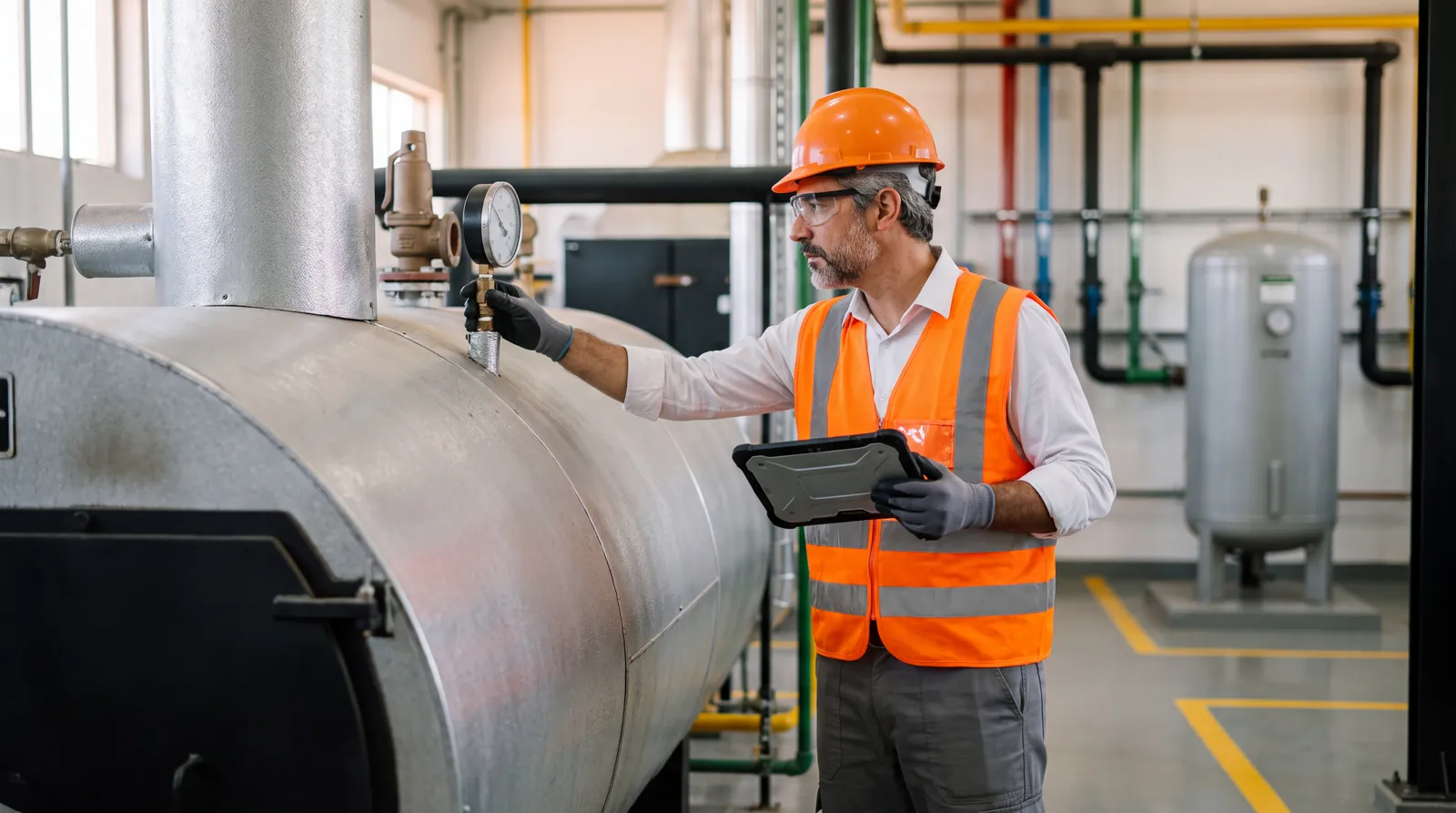
Find out what NR 13 establishes, why safety inspections of boilers and pressure vessels matter, and the role of the Qualified Professional (PH).
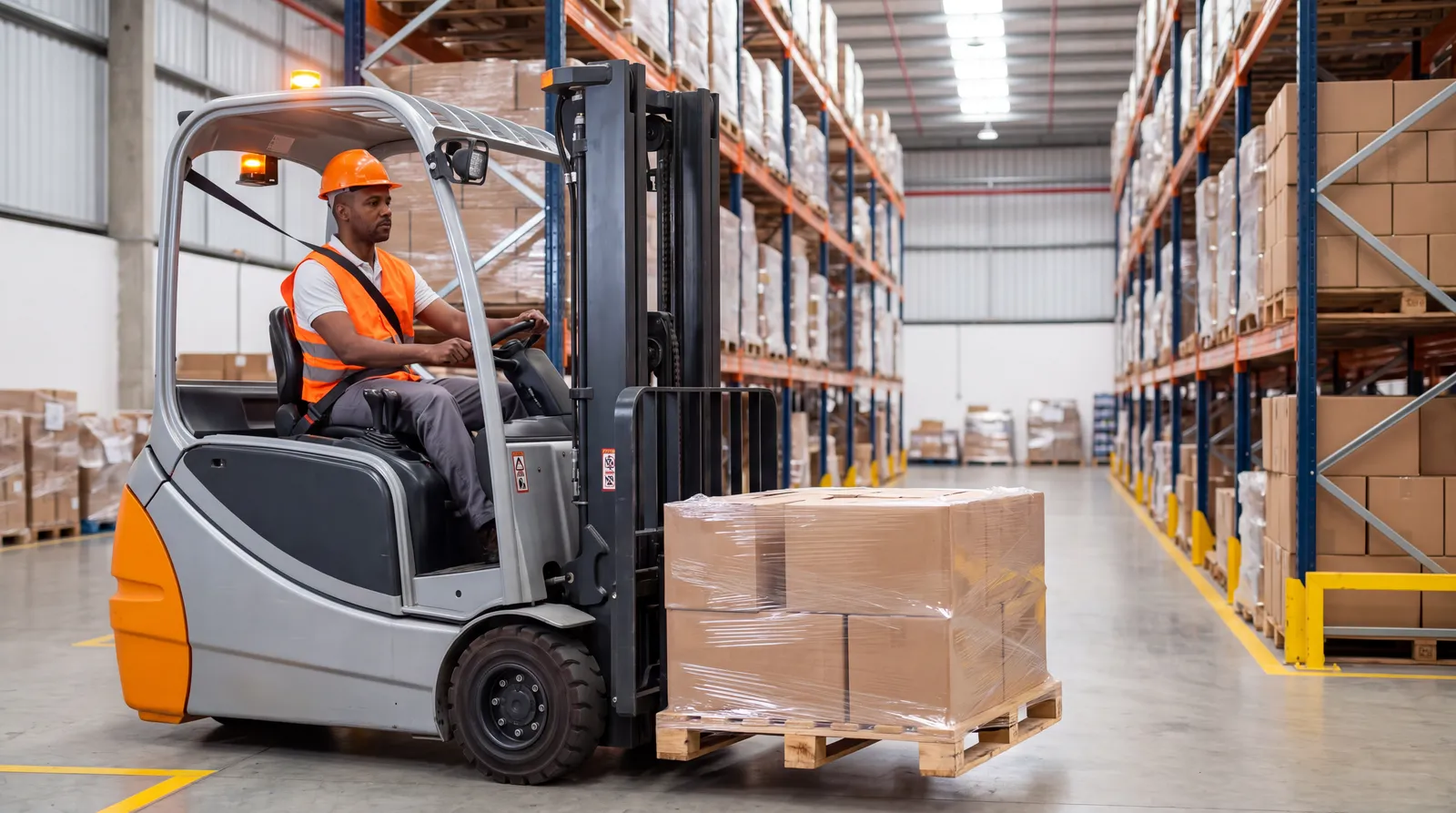
Understand the NR 11 rules for safe transport, handling, storage and manipulation of materials with forklifts, overhead cranes and cranes.
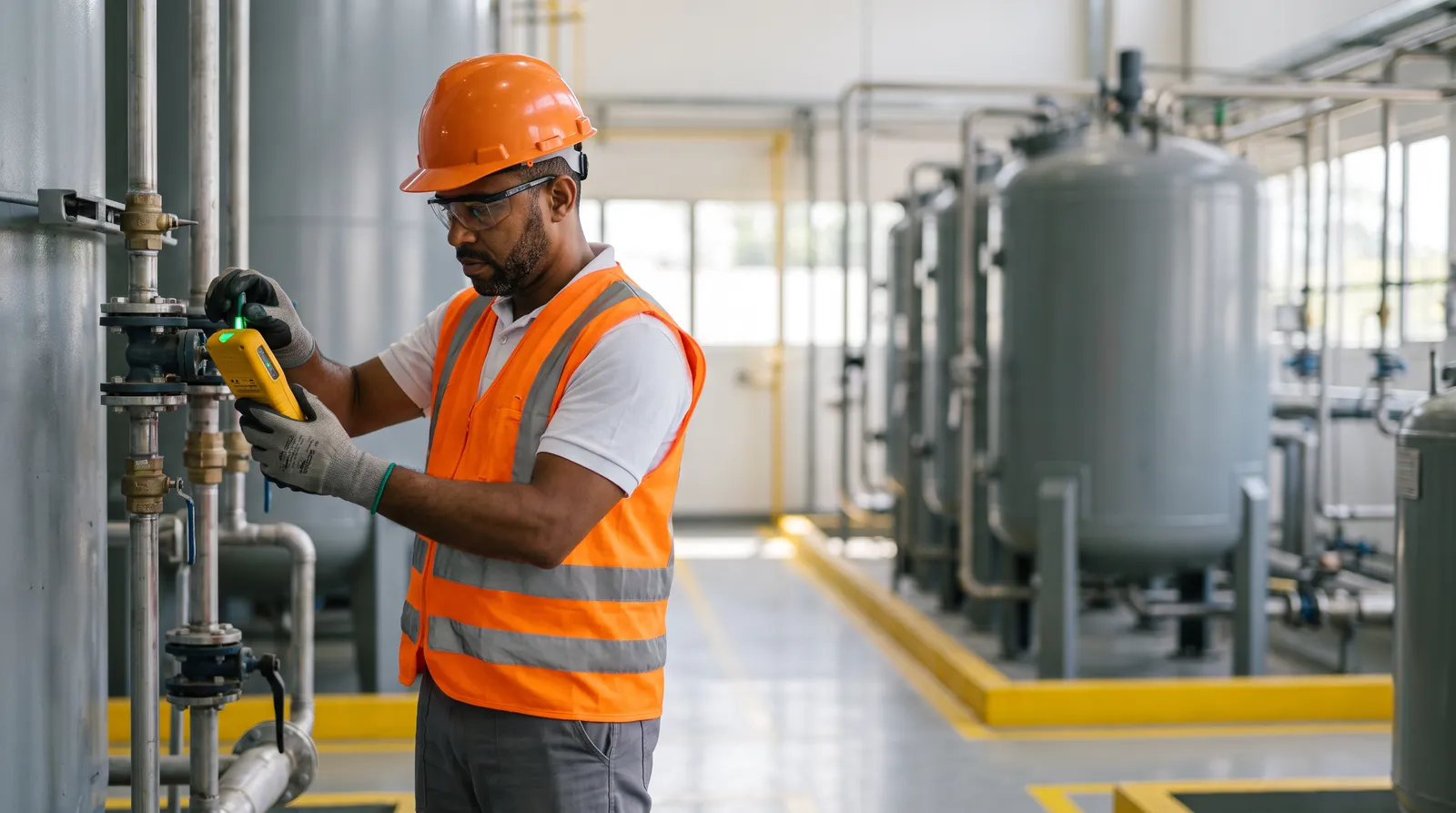
Understand what the updated NR 9 is, how it governs the assessment of physical, chemical and biological agents, and its direct link with the PGR (NR 1).
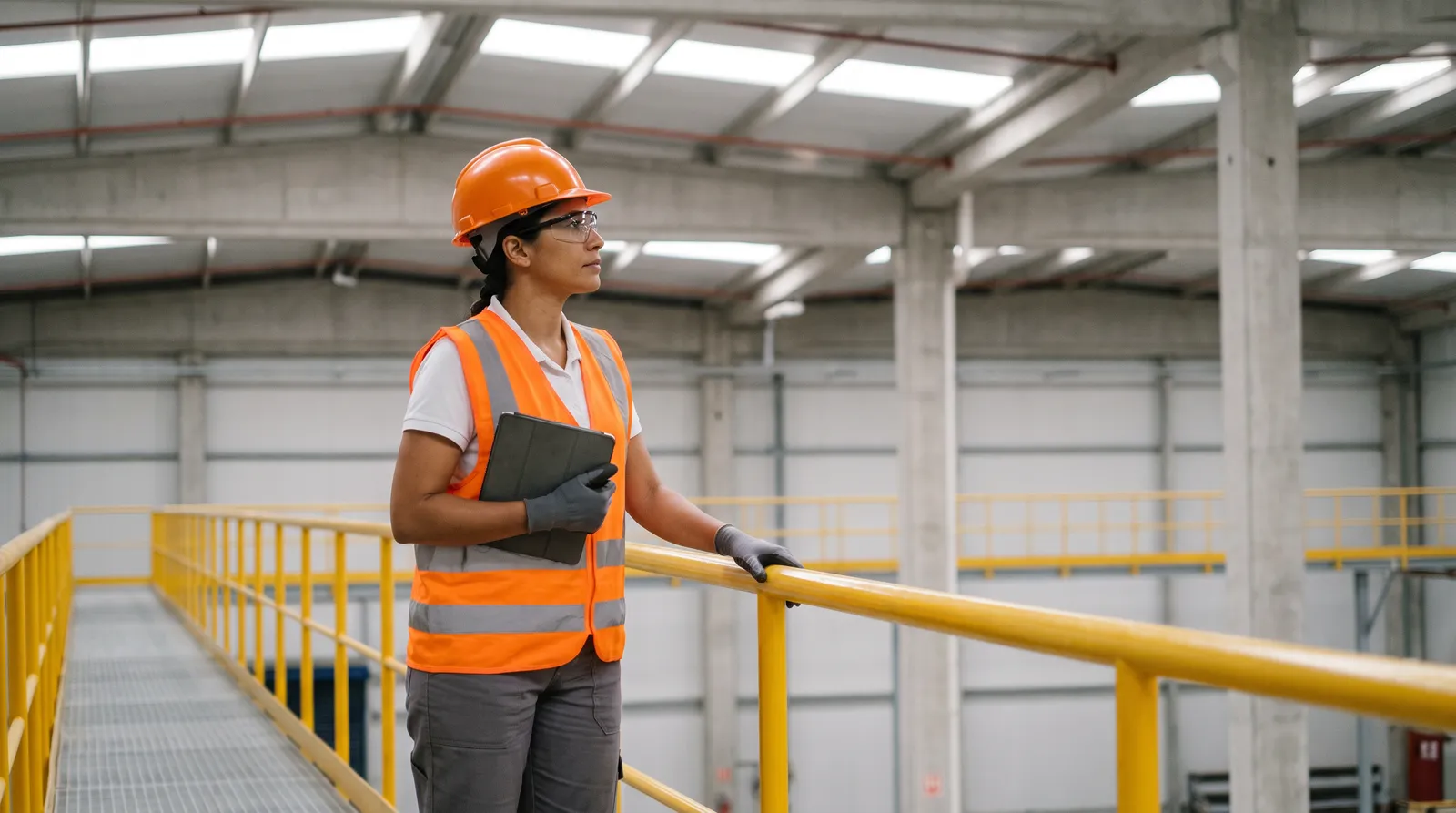
Get to know NR 8 and understand the technical requirements for ensuring the safety, thermal comfort and structural stability of buildings used as workplaces.
Understand what NR 6 is, the employer's responsibilities when issuing PPE, the worker's duties and how to streamline PPE control in your company.
Understand what NR 5 is, its sizing rules, the election process deadlines and the standard's new requirements on combating harassment in companies.
Simplify your Risk Management, reducing liabilities and ensuring safe, standardized, and auditable operations with fast implementation and advisory support.