General
What is eSocial? Understand the OSH Rules and Event S-2200

Understand what eSocial is, which occupational safety events are mandatory, and why they depend on the correct submission of the S-2200 event by HR.
By: Vitória Willemann
Understand what eSocial is, which occupational safety events are mandatory, and why they depend on the correct submission of the S-2200 event by HR.
By: Vitória Willemann
eSocial is the federal government system that unified the submission of labor, social security, and tax information from companies in Brazil. For the Occupational Health and Safety (OHS) area, the platform digitalized the way industries prove that their environments are safe and that workers' health is being monitored.
However, the success of submitting these preventive obligations depends on a perfect alignment with the Personnel Department (PD), specifically with the registry of employee admissions.
In this article, we explain in a practical way what the system is, what its mandatory events aimed at occupational safety are, and how they are directly linked to event S-2200.
In practice, eSocial in the OHS area is the digital and unified version of occupational safety and health obligations. It transforms records that were previously made on paper — such as the issuance of the CAT (Work Accident Report) and the creation of the PPP (Social Security Professional Profile) — into electronic files sent directly to the government.
It is through this online accountability that the government is able to inspect working environment conditions and ensure that the company is correctly collecting taxes linked to occupational hazards.
To fulfill this obligation, companies need to send three main events:
Informs about any accident that occurred in the company (with or without medical leave).
Informs about the completion of occupational medical examinations (admission, periodic, dismissal ASOs, etc.).
Informs the hazards to which the worker is exposed and the PPE/EPCs used to neutralize them.
The S-2200 is the "Initial Registration of the Employment Relationship and Admission/Entry of Worker" event. It is normally the responsibility of the Personnel Department or HR.
It is in this event that the company informs the government that a new employee has been hired. It contains the primary data of the worker, such as CPF (tax ID), registration number, position, salary, date of admission, and the department where they will work.
The main confusion in companies occurs because Occupational Safety cannot fulfill its obligations if HR is delayed.
The government systems follow a chronological dependency logic. It is not possible to send health or hazard (OHS) information for an employee who, "officially," does not yet exist in the eSocial system.
See how responsibilities cross in practice:
| Event | Responsible Department | Submission Order | What happens if it fails? |
|---|---|---|---|
| S-2200 (Admission) | Personnel Department / HR | 1st Step | The worker is not recognized by the government system. |
| S-2220 (ASO) | Safety and Health (OHS) | 2nd Step | The event is rejected by eSocial, because the registration number (S-2200) is missing. |
| S-2240 (Hazards) | Safety and Health (OHS) | 3rd Step | The event is rejected, creating inconsistency in the worker's Electronic PPP. |
If the PD does not send the S-2200 (or sends it with the wrong registration number), the OHS team will try to send the S-2220 and S-2240 and will receive an error message from the system stating that the employment relationship was not found.
The lack of integration between departments is the main cause of fines and inconsistencies in eSocial. To avoid rework and ensure your company is compliant, the process must be unified:
The use of specialized software eliminates manual entry and automates the cross-referencing of this data, ensuring that no event is sent late or rejected due to a lack of registration.
Discover the solutions from GAP Sistemas and find out how to digitalize and organize your operation's routines so that bureaucracy is never a problem again.
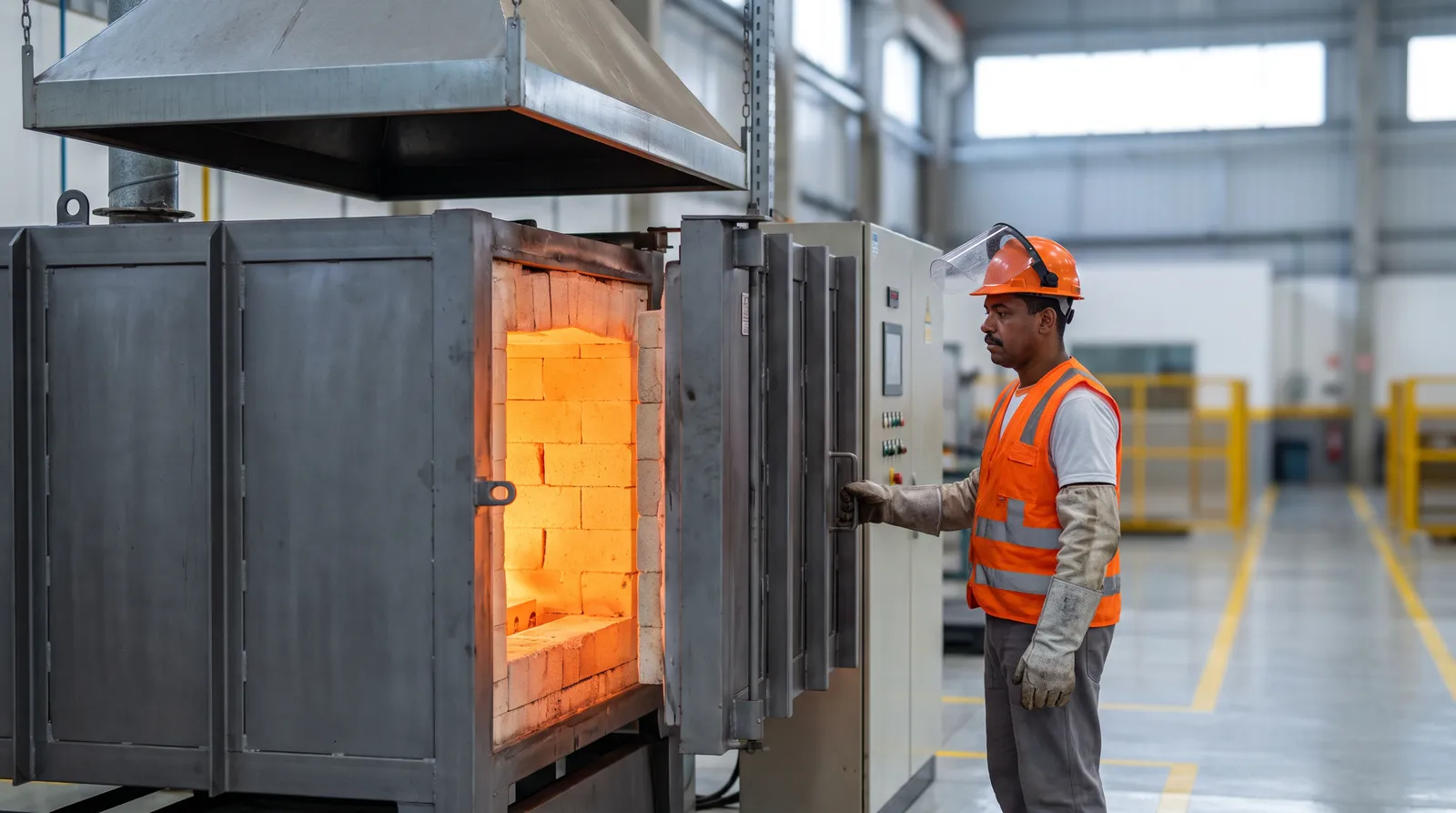
Understand what NR 14 is, the mandatory requirements for installing, lining and safely operating industrial furnaces, and how to avoid explosion risks.
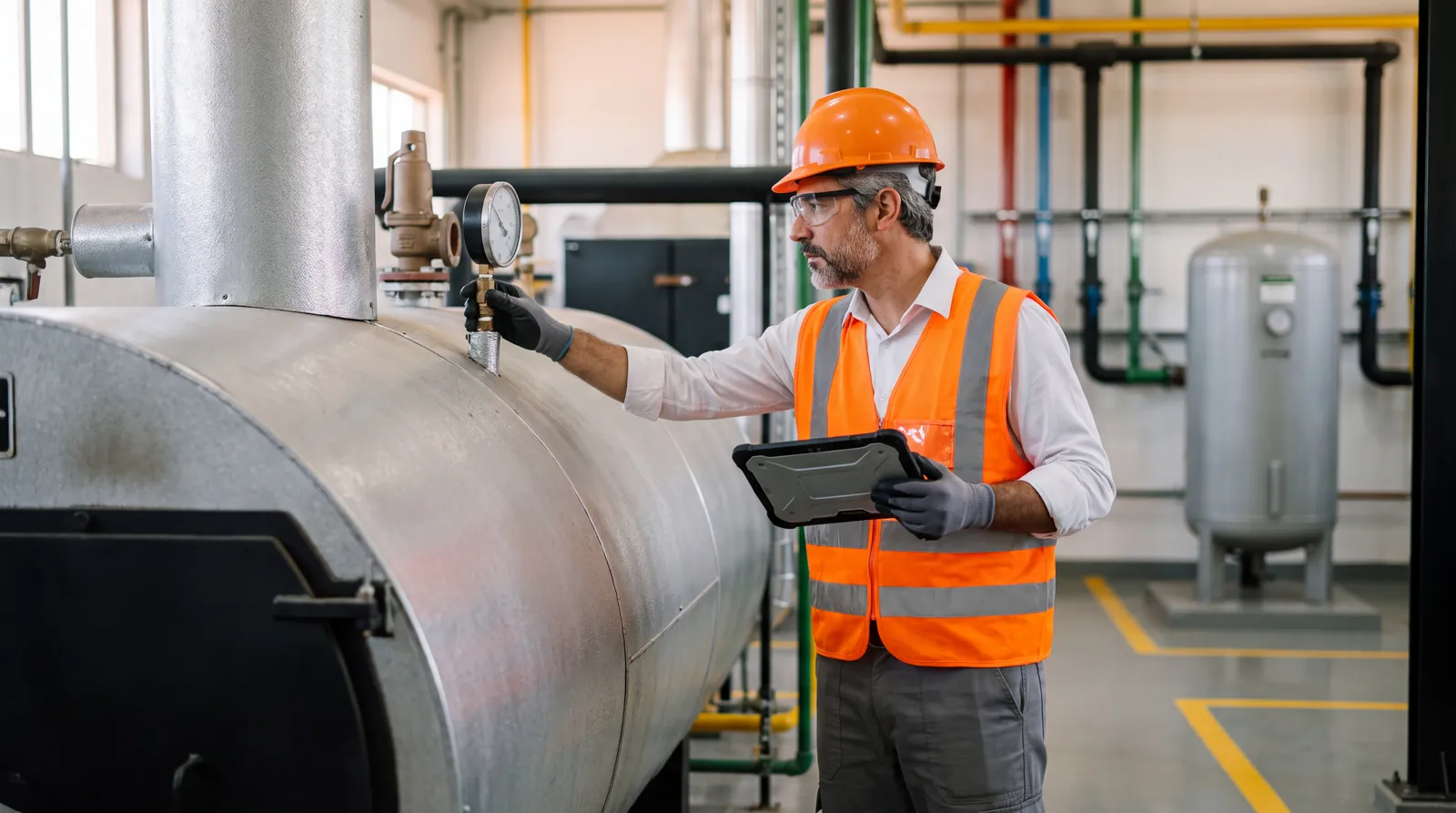
Find out what NR 13 establishes, why safety inspections of boilers and pressure vessels matter, and the role of the Qualified Professional (PH).
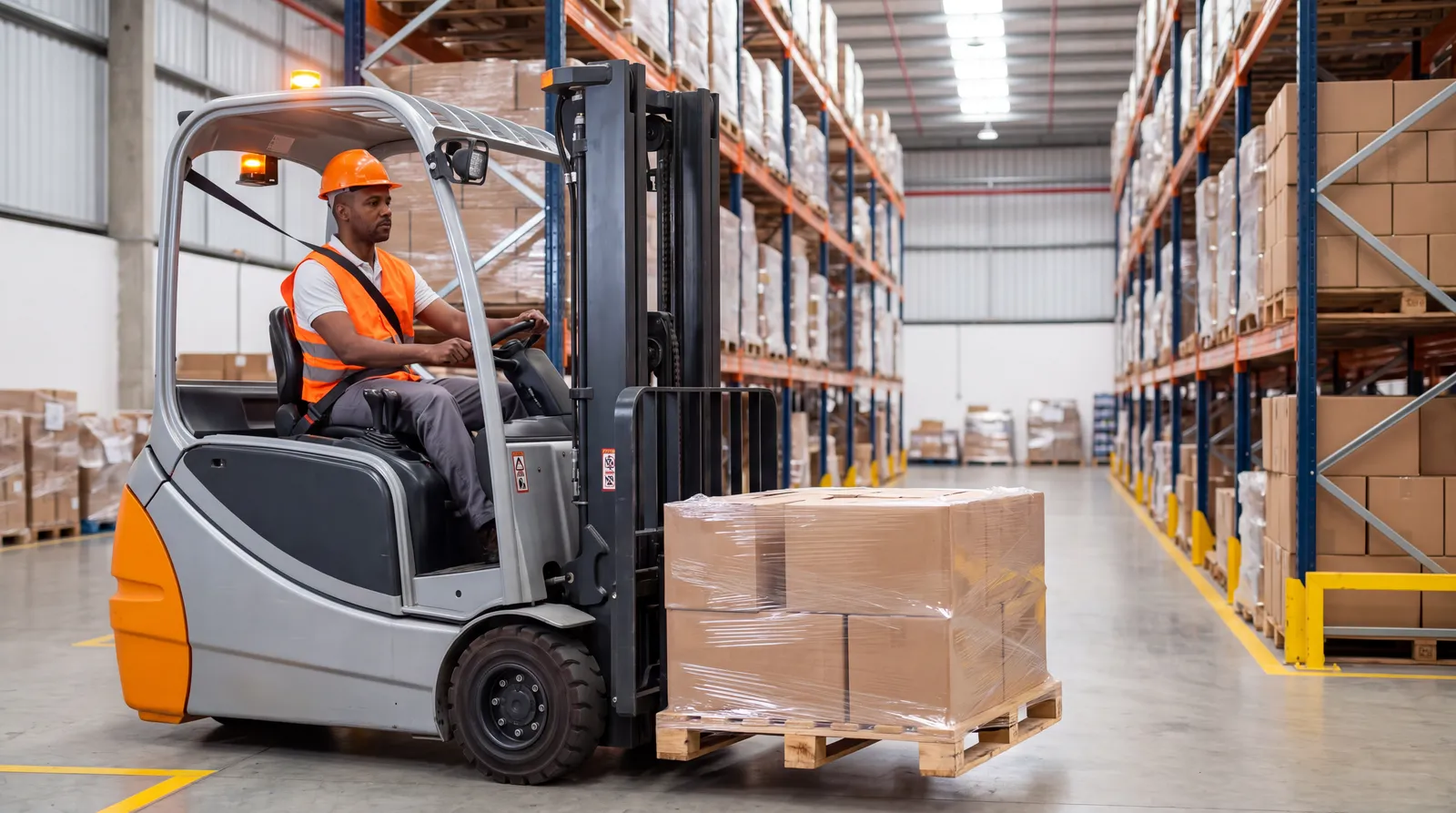
Understand the NR 11 rules for safe transport, handling, storage and manipulation of materials with forklifts, overhead cranes and cranes.
Understand what the updated NR 9 is, how it governs the assessment of physical, chemical and biological agents, and its direct link with the PGR (NR 1).
Get to know NR 8 and understand the technical requirements for ensuring the safety, thermal comfort and structural stability of buildings used as workplaces.
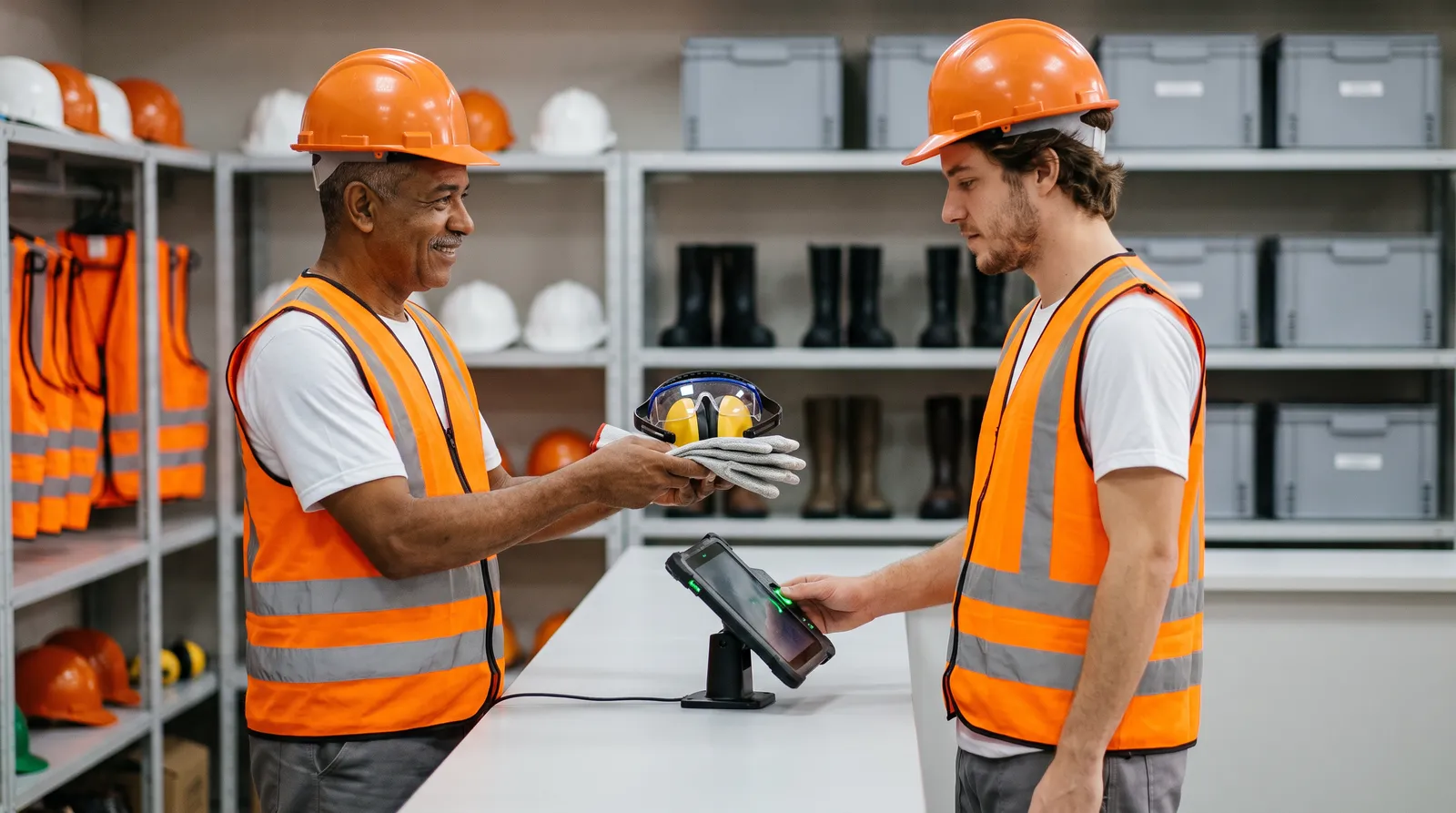
Understand what NR 6 is, the employer's responsibilities when issuing PPE, the worker's duties and how to streamline PPE control in your company.
Simplify your Risk Management, reducing liabilities and ensuring safe, standardized, and auditable operations with fast implementation and advisory support.