General
What Is a Safety Toolbox Talk? Concept and Best Practices

Understand what a DDS (Daily Safety Dialogue) is, its role in accident prevention, and the main toolbox talk best practices for your operation.
By: Vitória Willemann
Understand what a DDS (Daily Safety Dialogue) is, its role in accident prevention, and the main toolbox talk best practices for your operation.
By: Vitória Willemann
Technical, continuous communication between leadership and the operational team is one of the most effective administrative tools for accident prevention. Before any high-risk activity begins, aligning information ensures workers are aware of the hazards ahead and of the control measures required.
So what exactly is a DDS, and how do you structure one properly?
In this article we define this preventive tool and set out the main guidelines for applying it on the construction site or the shop floor, securing the team's technical engagement.
DDS stands for Diálogo Diário de Segurança — Daily Safety Dialogue, the Brazilian equivalent of a toolbox talk. It is a short meeting held every day before the shift starts, led by area supervisors, foremen or SESMT professionals.
The purpose of the DDS is to raise the team's awareness of the specific risks of the tasks to be carried out that day. During this session, instructions are given on the correct use of Personal Protective Equipment (PPE), standard operating procedures and alerts about recent incidents.
So the meeting does not become mere paperwork and lose its preventive value, a few best practices are worth following:
Applying toolbox talk best practices includes documenting these meetings rigorously. Storing attendance sheets and the topics covered safely is essential to protect the company in audits and labour claims.
This documentary organisation is part of efficient employee management. Replacing paper sheets with digital controls prevents information from going missing, centralises each employee's training history and makes the company's preventive routine easier to evidence.
Structuring safety records digitally removes administrative failures and proves the company's commitment to briefing its team. How does your OHS department store attendance sheets and Daily Safety Dialogue topics today?
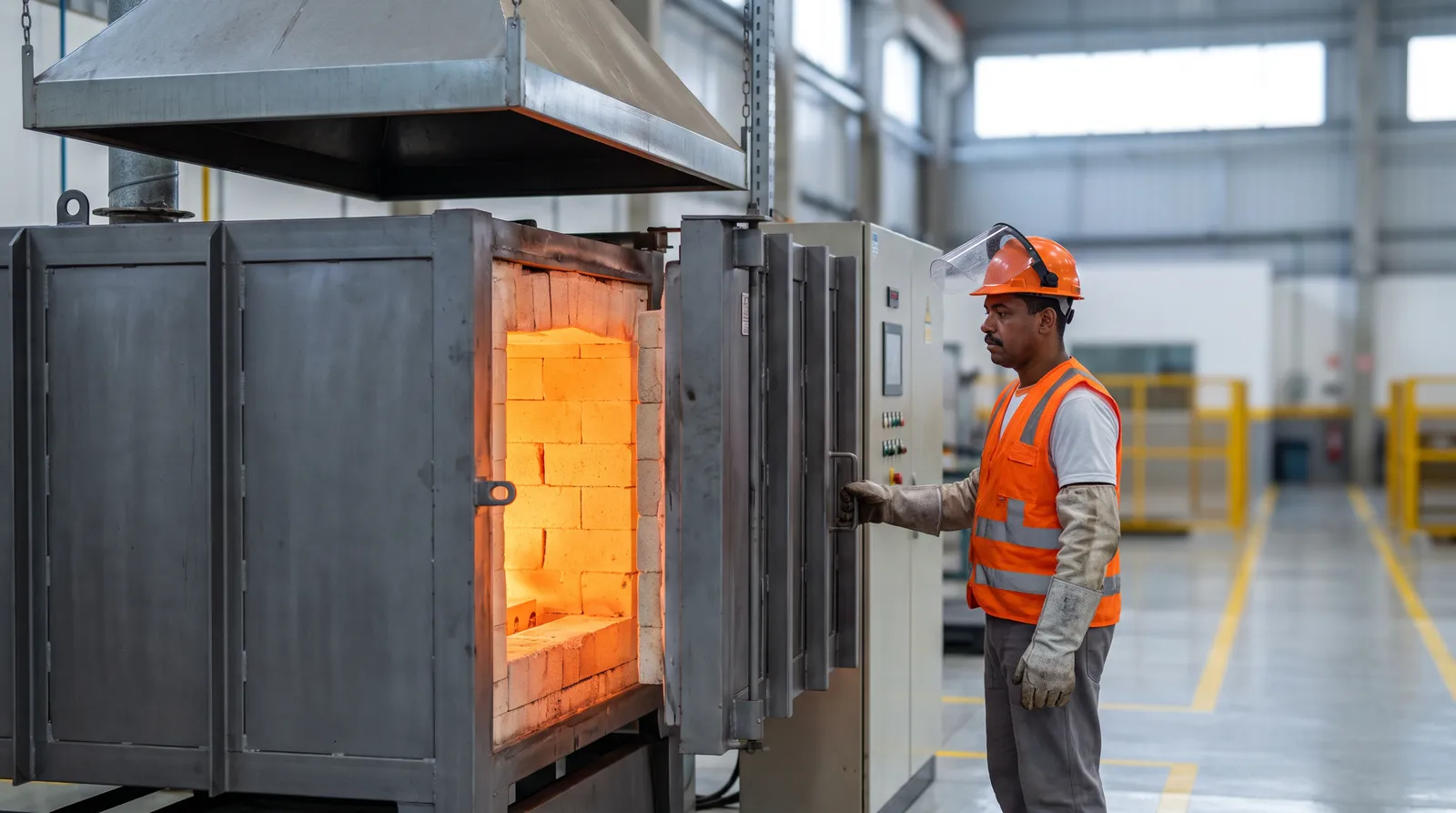
Understand what NR 14 is, the mandatory requirements for installing, lining and safely operating industrial furnaces, and how to avoid explosion risks.
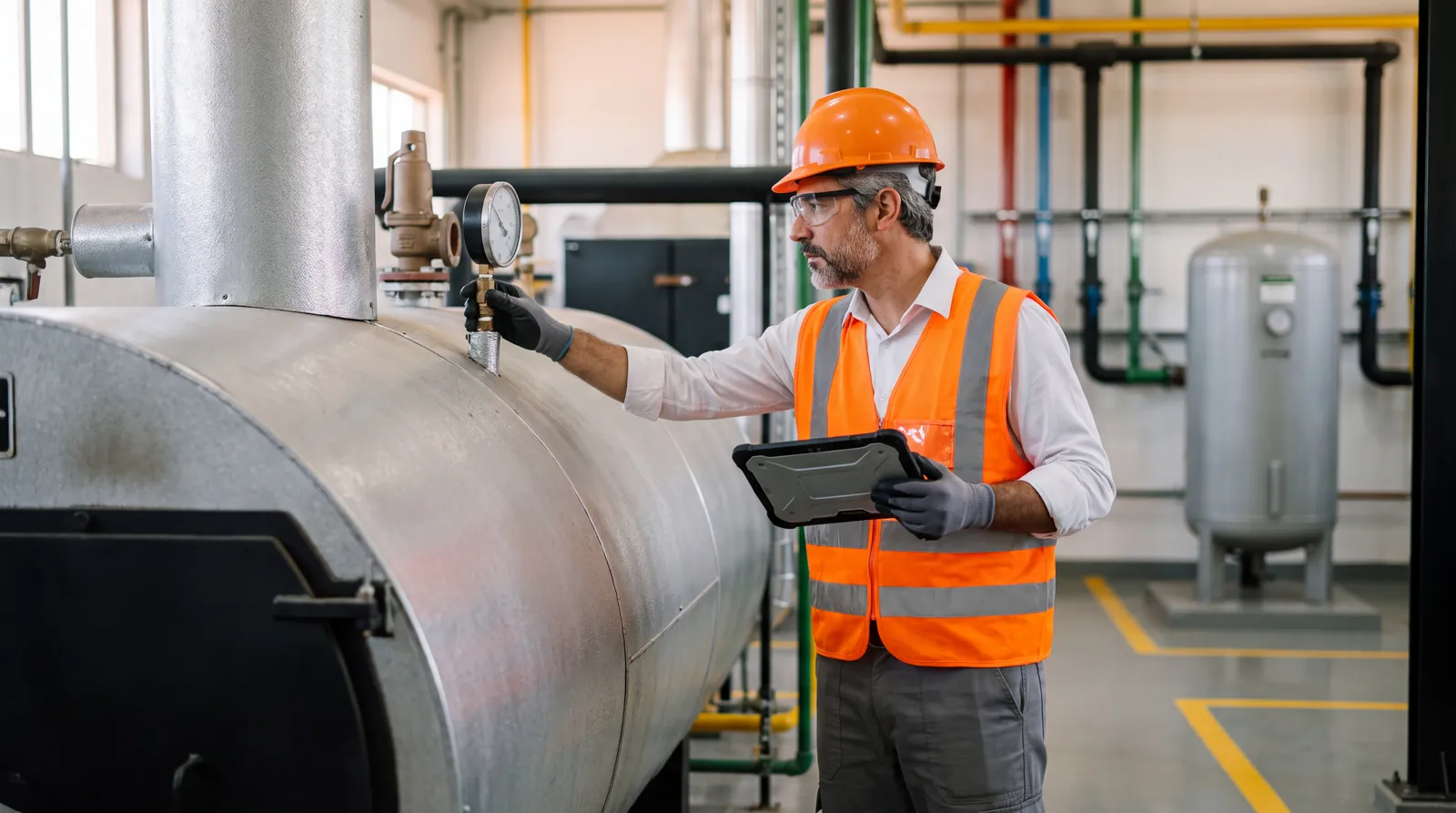
Find out what NR 13 establishes, why safety inspections of boilers and pressure vessels matter, and the role of the Qualified Professional (PH).
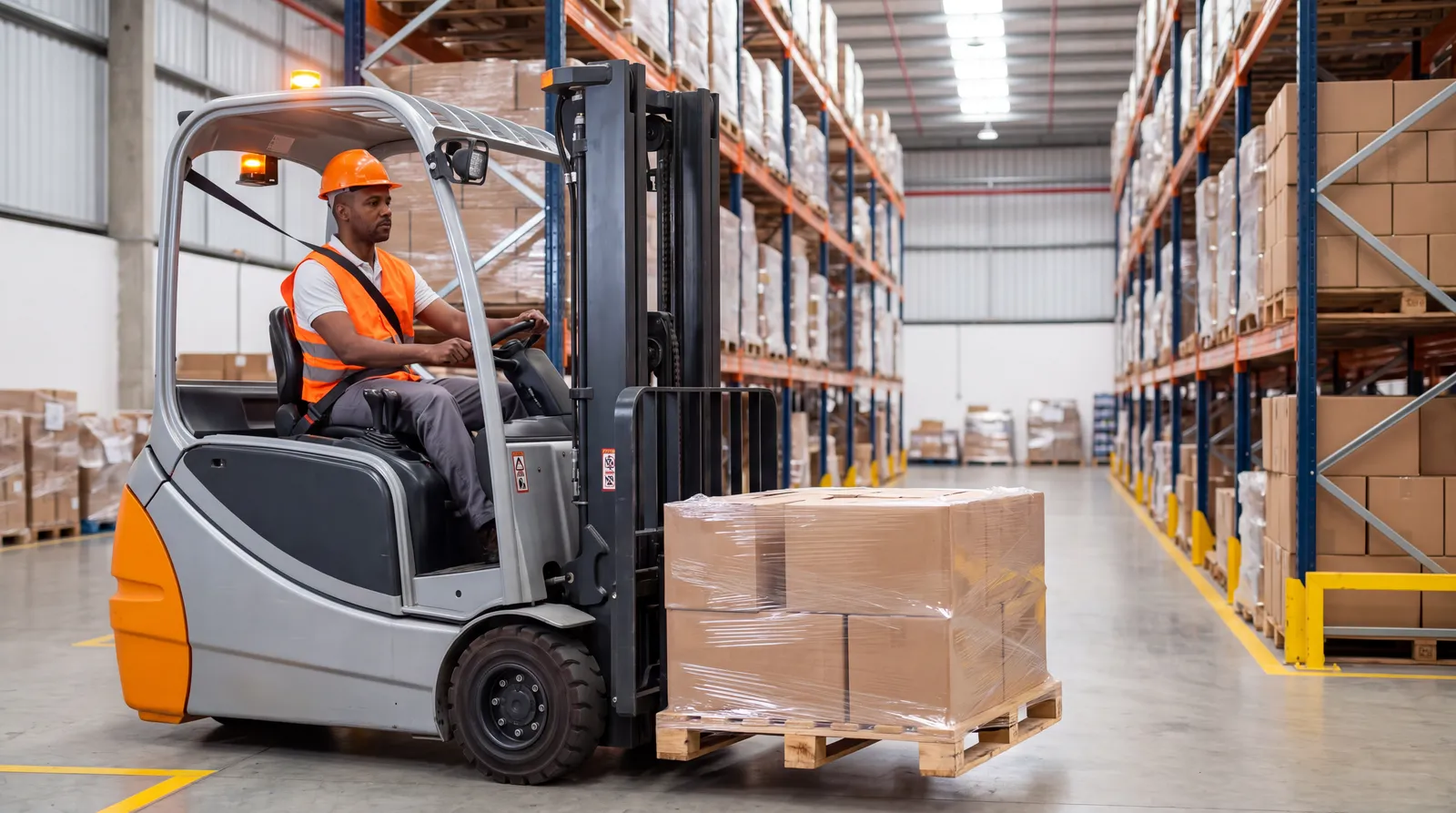
Understand the NR 11 rules for safe transport, handling, storage and manipulation of materials with forklifts, overhead cranes and cranes.
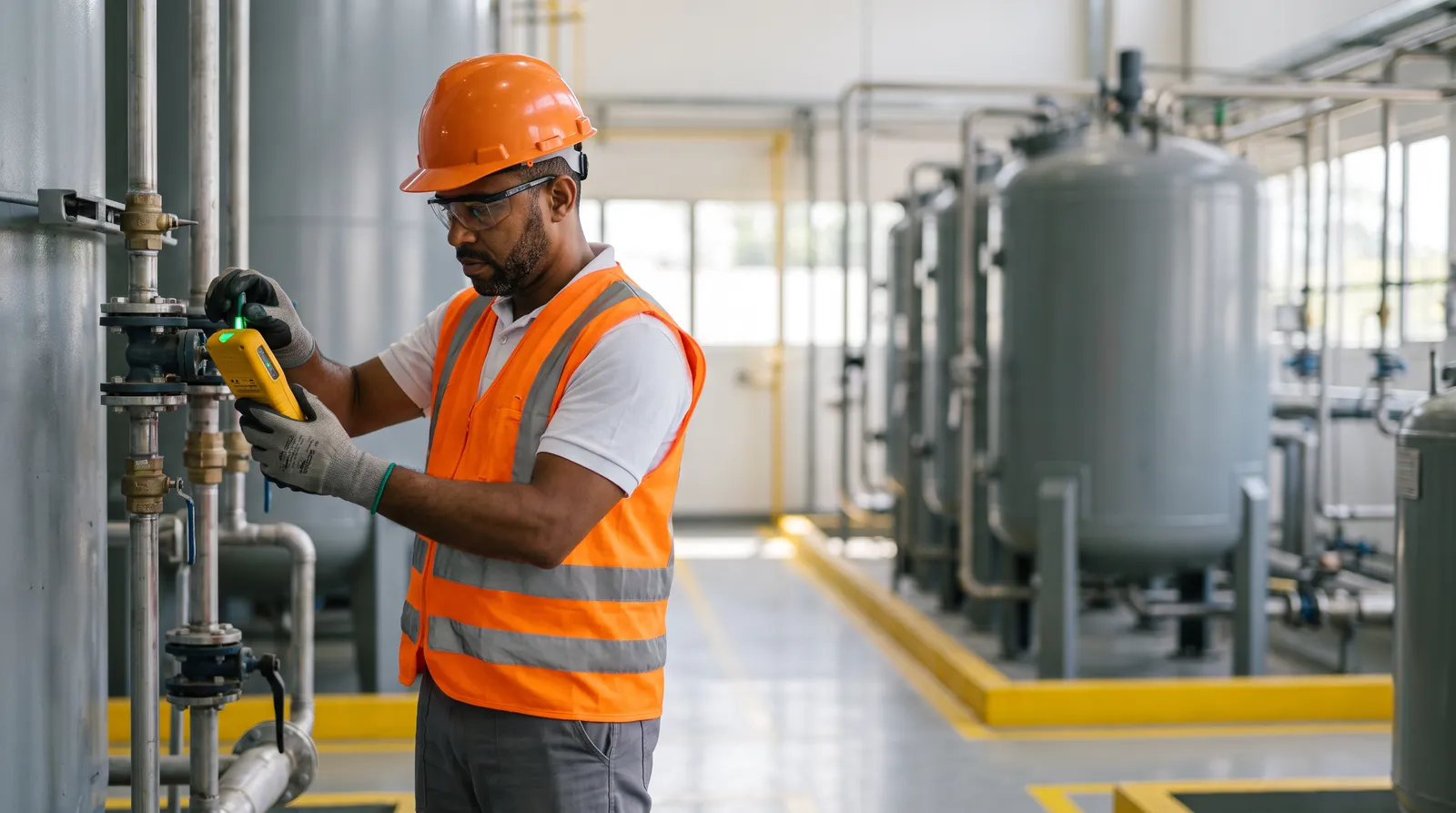
Understand what the updated NR 9 is, how it governs the assessment of physical, chemical and biological agents, and its direct link with the PGR (NR 1).
Get to know NR 8 and understand the technical requirements for ensuring the safety, thermal comfort and structural stability of buildings used as workplaces.
Understand what NR 6 is, the employer's responsibilities when issuing PPE, the worker's duties and how to streamline PPE control in your company.
Simplify your Risk Management, reducing liabilities and ensuring safe, standardized, and auditable operations with fast implementation and advisory support.