General
What is CIPA? What is the importance of the commission in companies?

Understand what CIPA is, its real importance for workplace safety, and how to set up yours. Optimize your management!
By: Willian Candelório
Understand what CIPA is, its real importance for workplace safety, and how to set up yours. Optimize your management!
By: Willian Candelório
CIPA is a commission regulated by Brazilian legislation, specifically by Regulatory Standard 5 (NR-5), whose main objective is to prevent workplace accidents, occupational diseases, and combat episodes of harassment. With Law 14.457/22, CIPA began to incorporate, among its actions, the fight against sexual harassment and other violence in the work environment — the name is now Internal Commission for Accident and Harassment Prevention.
Formed by representatives of employers (appointed) and employees (elected), CIPA acts as a bridge, uniting everyone towards a common goal: valuing life and well-being at work. Its members, known as "cipeiros", are responsible for identifying risks, proposing prevention measures, and guiding colleagues on the best safety practices.
The relevance of CIPA goes beyond legal compliance; it is an instrument that helps boost the safety culture at work. Preventing accidents not only protects clinical staff, but also brings direct benefits to the company:
Data from the Ministry of Labor show that a significant number of accidents can be prevented with the effective implementation of CIPA. With the commission active, the mapping and mitigation of these risks becomes a routine, which considerably reduces the number of incidents.
The commission plays a very important role in promoting training and educational campaigns that help employees become more aware of dangers in the work environment, which generates a kind of cascade effect, where safety becomes a responsibility shared by everyone.
The commission also conducts periodic inspections and proposes improvements that directly impact working conditions. This not only helps with safety, but also increases employees' satisfaction and engagement, creating a more productive environment.
Reducing accidents implies fewer employee absences, lower costs with compensations, and, consequently, a reduction in insurance rates. Therefore, it is safe to say that investing in safety is, in fact, a financial investment. Companies with a well-established safety culture also attract more talent and highlight their reputation in the market.
The obligation to set up CIPA depends on two main factors: the number of employees and the risk level of the company's economic activity. NR-5 has an annex, Table I, which details the sizing of CIPA. In general:
For a detailed analysis, it is essential to consult the full standard or an occupational safety professional.
The constitution and operation of the commission follow some guidelines established by NR-5.
Any interested employee, regardless of their position, can run to represent employees. Employer representatives, in turn, are appointed directly by the company's management. Employee representatives are elected in a secret ballot, while employer representatives are directly appointed. The term of an elected cipeiro is one year, with the right to one reelection.
The election must be called by the employer at least 30 days prior to the end of the current term. The process is democratic, with candidate registration, secret voting, and vote counting in the presence of all interested parties, ensuring total transparency.
Meetings occur monthly, and important decisions are made by consensus. Among the main duties of the commission are:
The commission contributes as a communication channel between workers and management, allowing safety concerns to be discussed openly and reach the employee more easily and organically.
Members have legal guarantees, such as job stability during their term. This offers an extra layer of protection and encourages participation.
Activities help promote a continuous approach to workplace safety, involving all employees. An example is holding the Internal Accident Prevention Week (SIPAT).
The Internal Commission for Accident and Harassment Prevention is a tool for promoting safety and health in the working environment. It not only helps to reduce accidents and improve working conditions, but also strengthens the safety culture, benefiting both employees and employers. Therefore, investing in the creation and operation of CIPA is a crucial step for any company that wishes to stand out in social responsibility and workplace safety.
GAP Sistemas solutions can boost this operation with the automation of document management, training, and checklists, which contributes to your commission:
By optimizing these processes, your CIPA can act even more effectively, contributing to the safety and quality of life of your team!
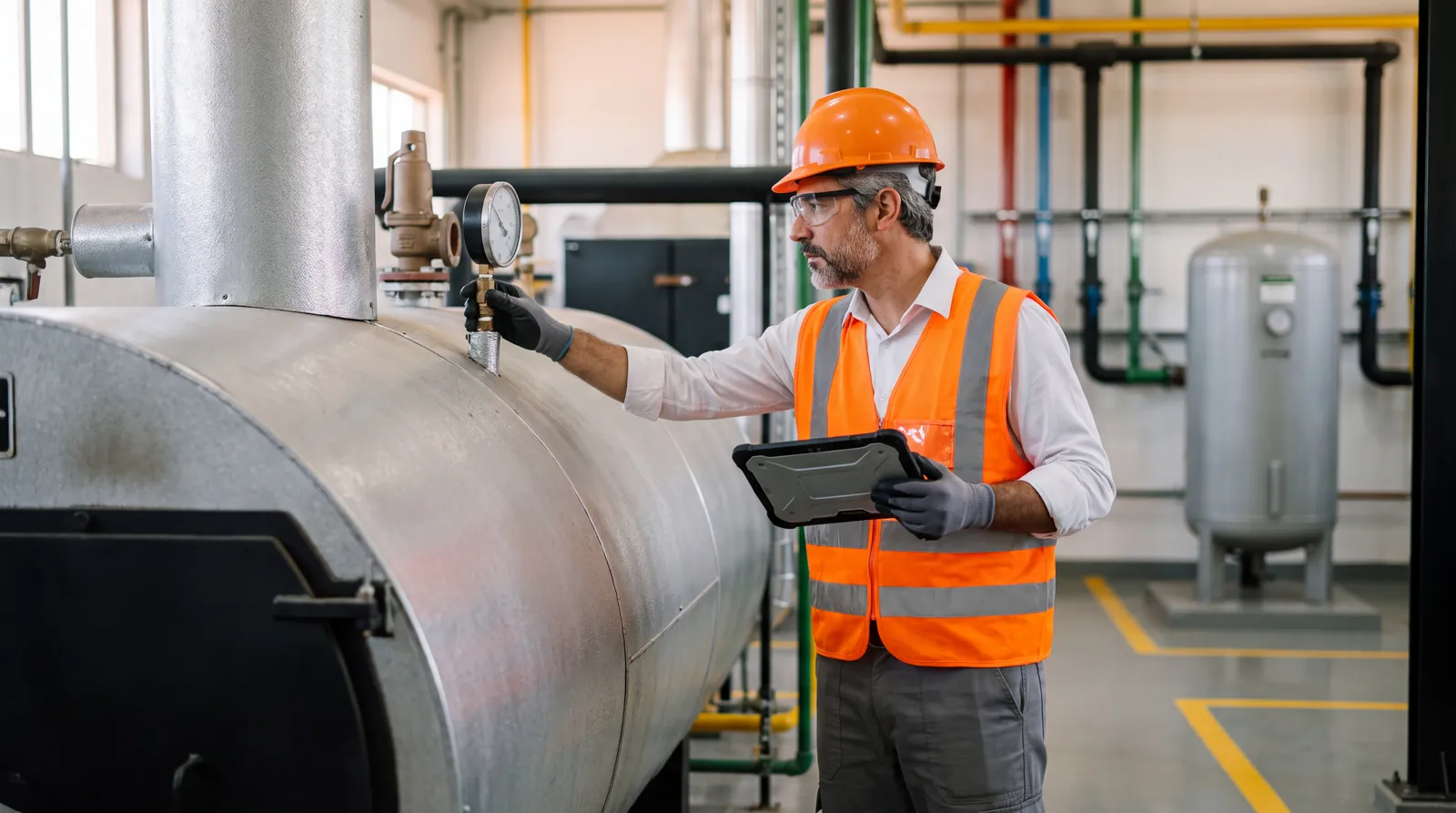
Find out what NR 13 establishes, why safety inspections of boilers and pressure vessels matter, and the role of the Qualified Professional (PH).
Understand the NR 11 rules for safe transport, handling, storage and manipulation of materials with forklifts, overhead cranes and cranes.
Understand what the updated NR 9 is, how it governs the assessment of physical, chemical and biological agents, and its direct link with the PGR (NR 1).
Get to know NR 8 and understand the technical requirements for ensuring the safety, thermal comfort and structural stability of buildings used as workplaces.
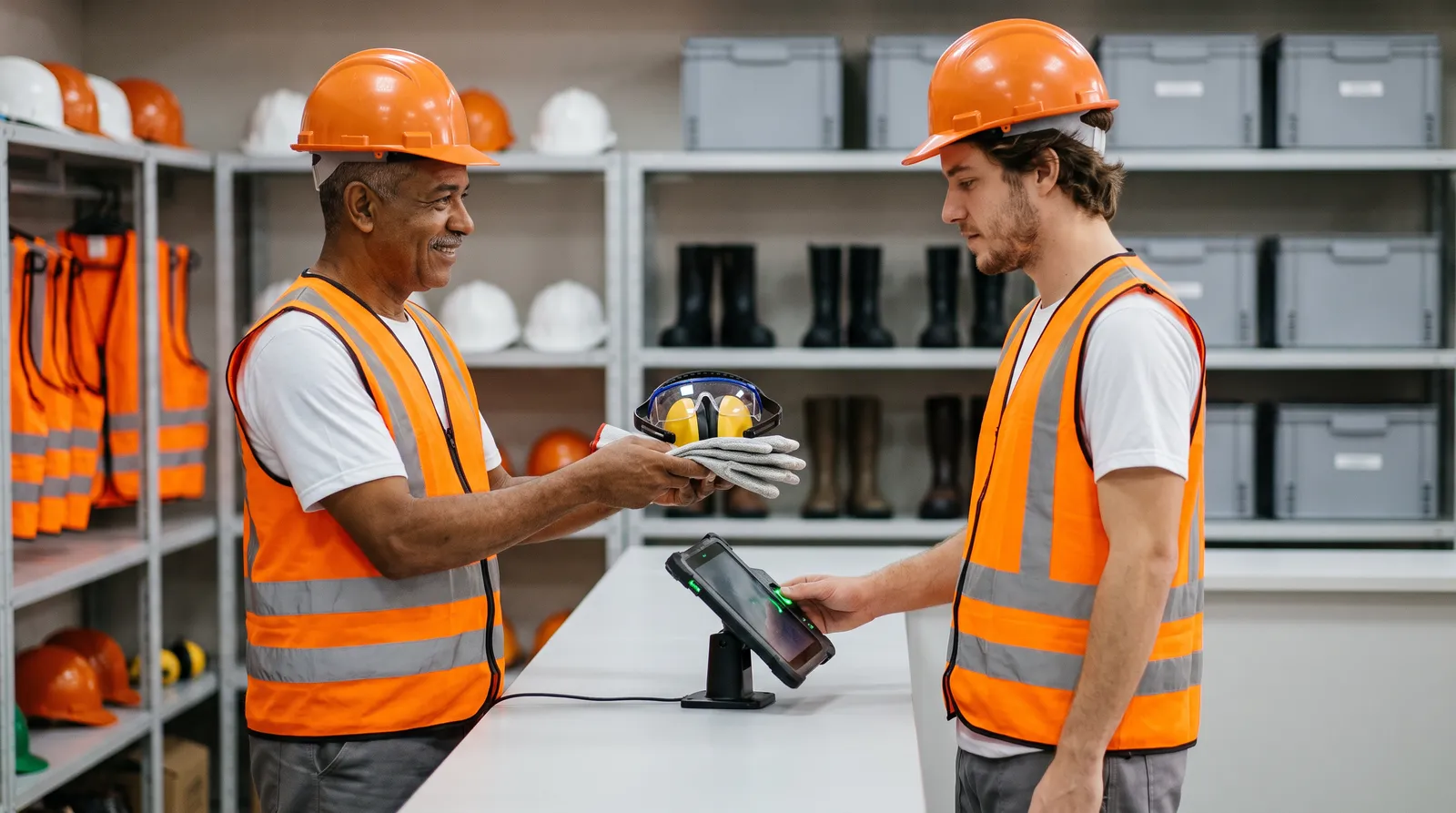
Understand what NR 6 is, the employer's responsibilities when issuing PPE, the worker's duties and how to streamline PPE control in your company.
Understand what NR 5 is, its sizing rules, the election process deadlines and the standard's new requirements on combating harassment in companies.
Simplify your Risk Management, reducing liabilities and ensuring safe, standardized, and auditable operations with fast implementation and advisory support.