General
Occupational Safety Management: from GRO to Liability Prevention
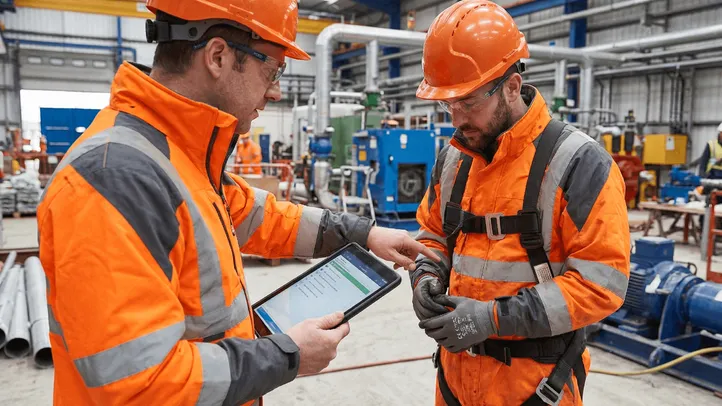
Understand the pillars of Occupational Safety Management, the transition from PPRA to PGR (NR-1), and how technology mitigates labor liabilities.
By: Guilherme Herker
Understand the pillars of Occupational Safety Management, the transition from PPRA to PGR (NR-1), and how technology mitigates labor liabilities.
By: Guilherme Herker
Occupational safety is no longer just an operational requirement of the "factory floor" but has become a strategic pillar of Sustainability (ESG) and Corporate Governance.
Companies that limit their management to the delivery of Personal Protective Equipment (PPE) are exposed to severe financial and legal risks. With the update of the Regulatory Standards, especially the new NR-1, the focus of enforcement has shifted from reaction to systemic prevention.
Efficient management does not only aim to avoid fines, but to guarantee operational continuity, preventing accidents from halting production or generating irreversible legal liabilities.
Occupational safety management is an integrated system of processes, policies, and procedures designed to anticipate, recognize, evaluate, and control risks that can affect the physical and mental integrity of workers.
Unlike isolated actions, structured management follows the PDCA (Plan, Do, Check, Act) cycle, aligning with international standards such as ISO 45001. Its central objective is to reduce claims, ensure legal compliance (Labor Compliance), and promote a safe environment.
The most significant change in recent Brazilian legislation was the termination of the old PPRA (Environmental Risk Prevention Program) and the implementation of the PGR (Risk Management Program).
For managers, it is vital to understand this technical transition:
The GRO is not a physical document, but the macro strategy. It is the methodology that the company adopts to identify hazards and evaluate risks. It is the "umbrella" that encompasses all of the organization's safety actions.
It is the living document that materializes the GRO. Unlike the old PPRA, which focused only on physical, chemical, and biological risks, the PGR (NR-1) requires a holistic view, including:
Point of Attention: The PGR must be continuously revised. If there was a change in the factory layout or the hiring of a new third-party team, the Risk Inventory must reflect this new reality immediately.
Many companies have robust safety management with their own employees (CLT), but fail gravely when it comes to monitoring service providers.
Liability for safety within your facilities is joint and several in the event of an accident. If a contractor suffers a serious injury due to lack of training or improper use of equipment within your plant, the contracting company is civilly and criminally liable.
Efficient safety management must demand the same compliance from contractors as applied to internal staff:
To evolve safety maturity, management must abandon "guesswork" and be data-driven. The main indicators monitored by the market include:
Managing the validity of training, exams, and licenses for hundreds of employees through spreadsheets creates a critical safety gap. Human error in filling in a date can result in an unqualified worker operating a dangerous machine.
The digitization of safety management through specialized platforms, such as the GAP solution, allows for:
Is the PPRA still valid?
No. Since January 2022, the PPRA has been replaced by the PGR (Risk Management Program). Companies must migrate all documentation to the new NR-1 standard.
Who is responsible for the contracting company's PGR?
The contracted company (third party) must draft the PGR for its employees, but the contracting party (client) has the duty to provide information about the risks of the location where the service will be performed (Risk Inventory).
What is the Risk Inventory?
It is the backbone of the PGR. It is a detailed list of all hazards identified in the environment, the assessment of the risk level, and the control measures adopted for each role.
Does your safety management cover the entire work chain or just your employees? Do not let informality in third-party processes compromise your zero-accident indicators.
Discover the GAP platform and have total control over the document compliance and safety training of your service providers.
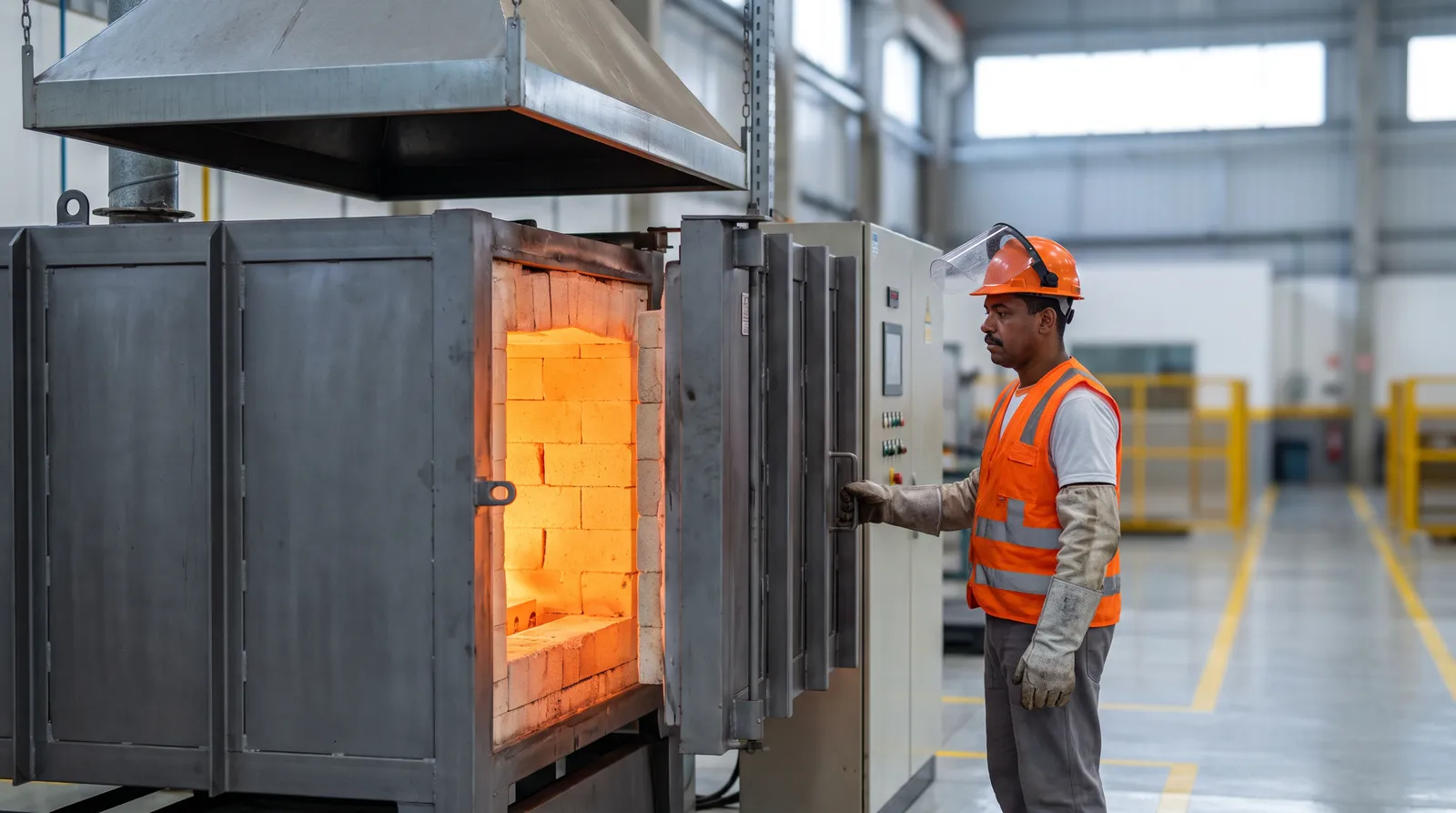
Understand what NR 14 is, the mandatory requirements for installing, lining and safely operating industrial furnaces, and how to avoid explosion risks.
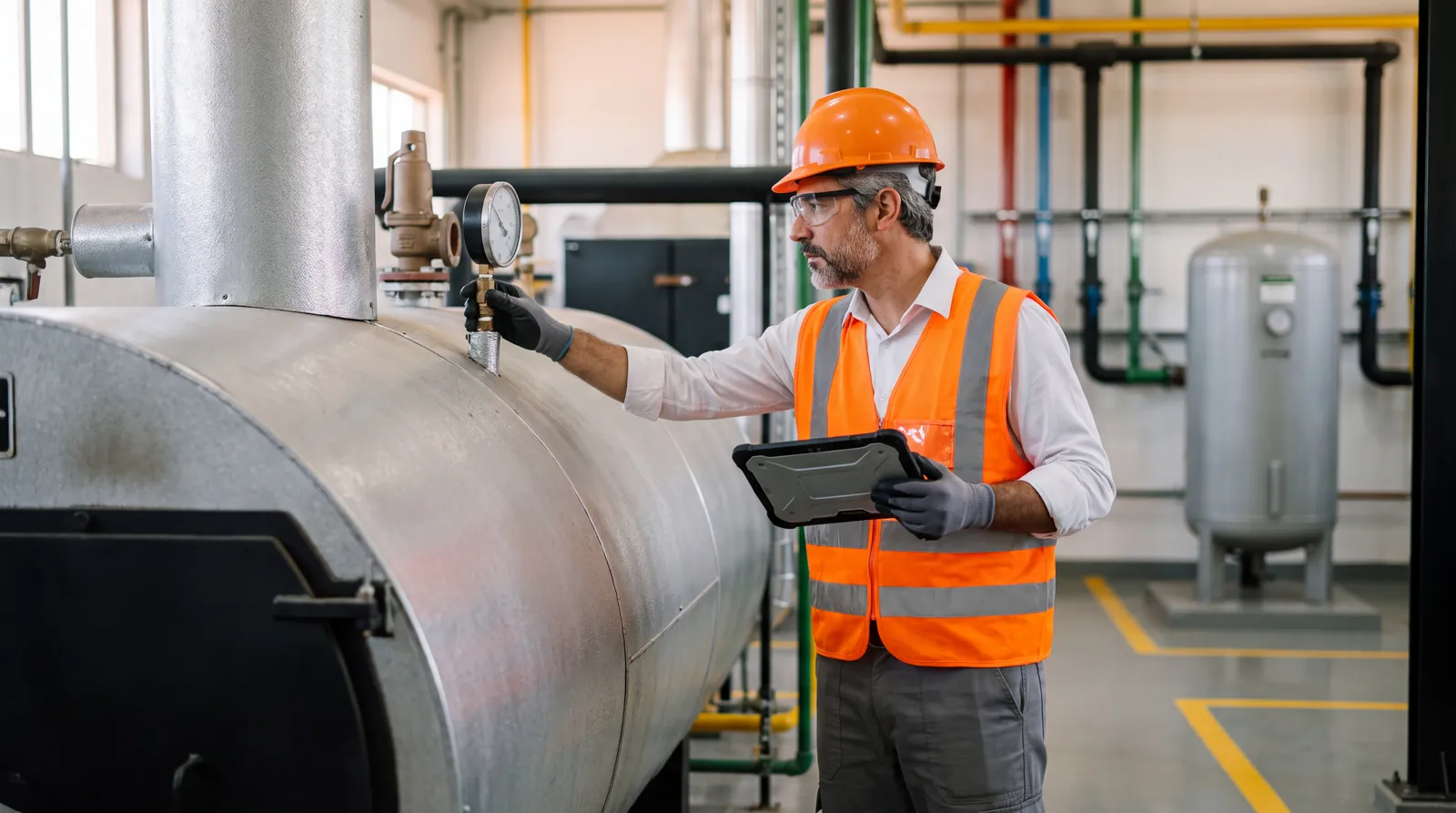
Find out what NR 13 establishes, why safety inspections of boilers and pressure vessels matter, and the role of the Qualified Professional (PH).
Understand the NR 11 rules for safe transport, handling, storage and manipulation of materials with forklifts, overhead cranes and cranes.
Understand what the updated NR 9 is, how it governs the assessment of physical, chemical and biological agents, and its direct link with the PGR (NR 1).
Get to know NR 8 and understand the technical requirements for ensuring the safety, thermal comfort and structural stability of buildings used as workplaces.
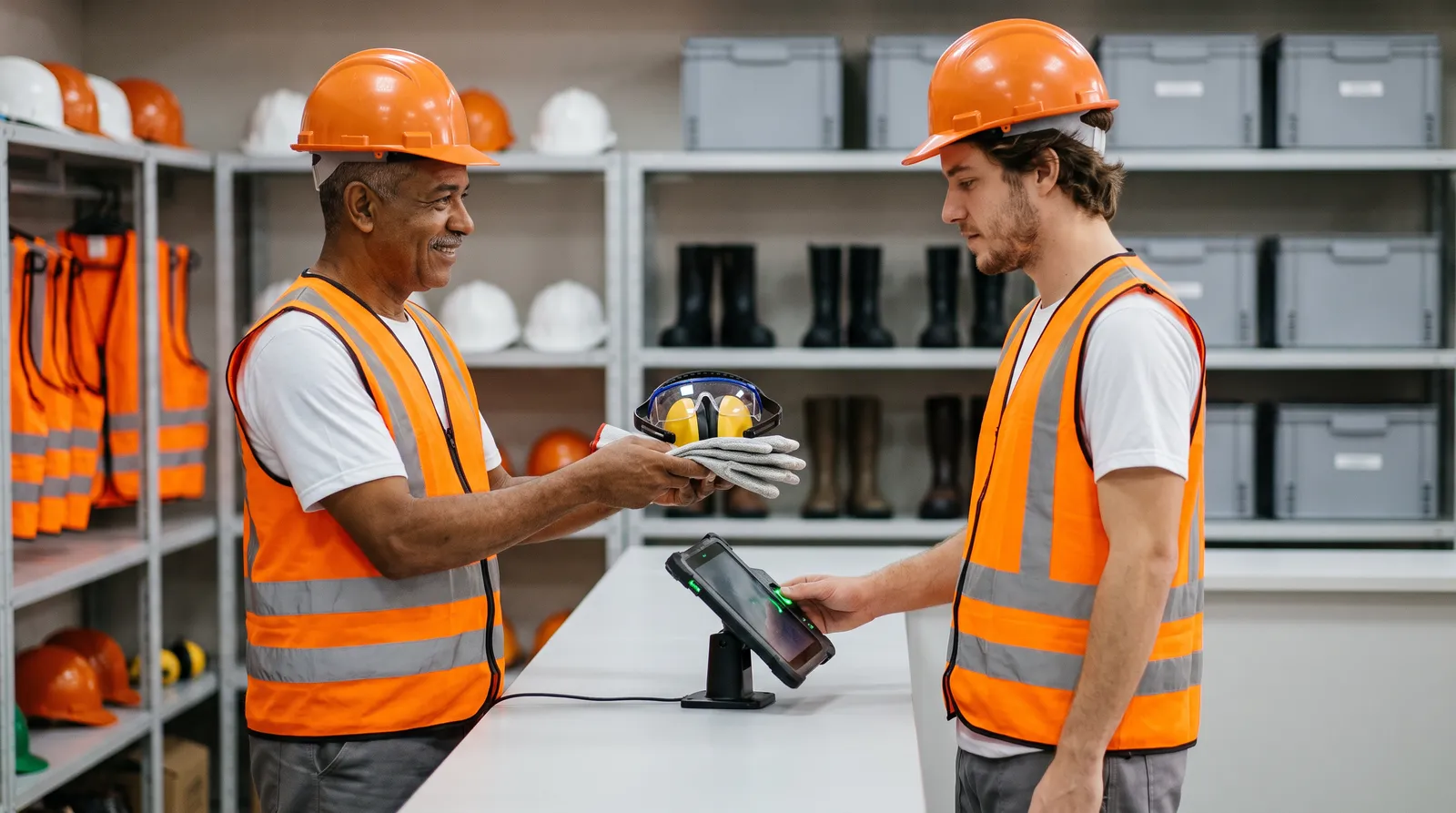
Understand what NR 6 is, the employer's responsibilities when issuing PPE, the worker's duties and how to streamline PPE control in your company.
Simplify your Risk Management, reducing liabilities and ensuring safe, standardized, and auditable operations with fast implementation and advisory support.