The failure of a machine or tool during operation does not only affect the production schedule. In industry and civil construction, a defective piece of equipment is one of the most critical risks to a worker's physical integrity.
Making sure that cranes, forklifts, presses and aerial work platforms operate safely cannot be left to chance. It takes rigorous asset management, aligned with the requirements of standards such as NR-12 (the Brazilian Regulatory Standard on Occupational Safety in Machinery and Equipment).
In this article, we show how to structure this routine in practice and the fundamental steps for building an equipment maintenance plan that ensures operational continuity and protects the whole team.
The impact of maintenance on occupational safety
Historically, equipment maintenance was seen merely as a way to avoid production stoppages. Today, it is a pillar of Environment, Health and Safety (EHS).
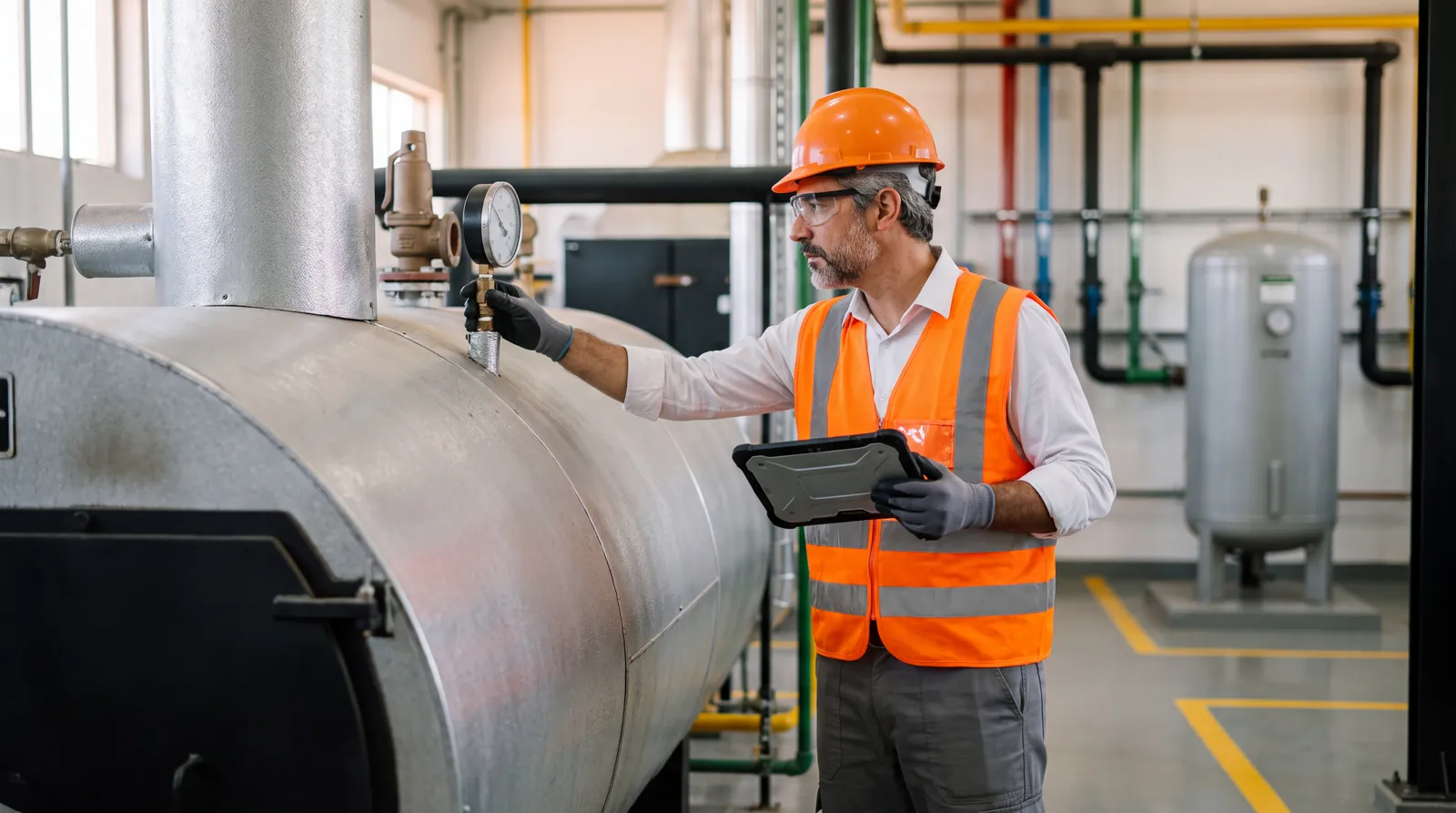
When a component fails because of unmonitored wear, the consequences range from incipient fires and leaks to fatal accidents. NR-12 explicitly requires machines to undergo preventive and corrective maintenance, following the manufacturer's recommendations and keeping a traceable record of every intervention carried out.
A well-structured plan blocks the use of unsafe machinery before it reaches the operator's hands, ensuring the risk is anticipated.
How to build an equipment maintenance plan
Structuring an effective plan requires predictability. To move away from a reactive stance, where the team only fixes what has already broken, follow these fundamental steps:
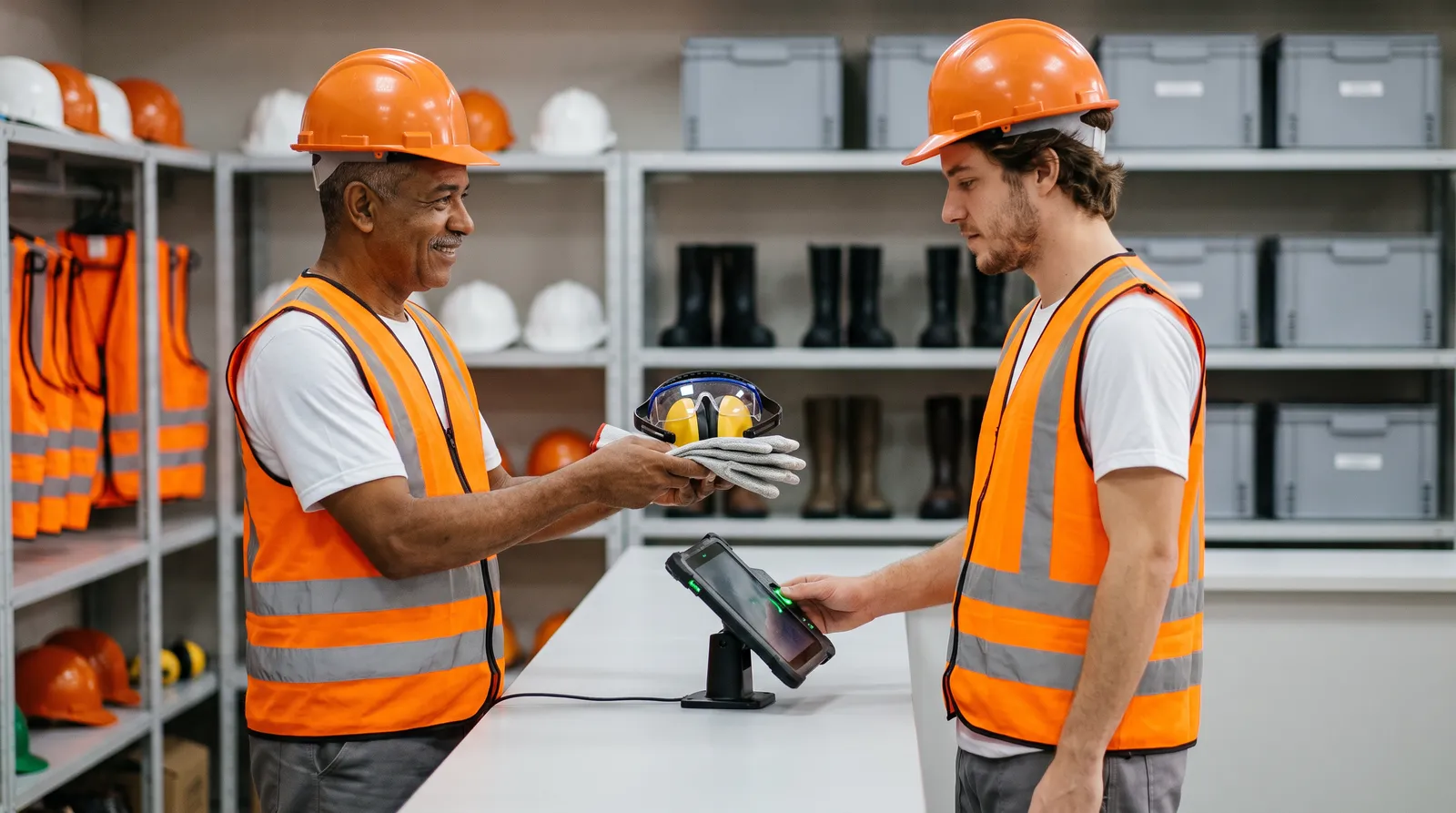
- Asset Inventory: The first step is to map your entire fleet and machinery. Create a register of all the machines, vehicles and tools in the operation, including technical specifications and manufacturers' manuals.
- Criticality Classification: Not every piece of equipment carries the same operational risk. Classify assets based on how severe the damage would be if they failed (for example, a braking system failure on a truck-mounted crane takes top priority over maintenance of a bench drill).
- Strategy Definition: Determine which equipment will undergo time-based maintenance (e.g. annual calibration or an oil change every 6 months) and which requires predictive maintenance (vibration analysis or parts wear).
- Schedule Creation: Spread planned shutdowns across the year so that they do not disrupt production, while still ensuring machines are serviced within the safety deadlines.
Standardising operations through checklists
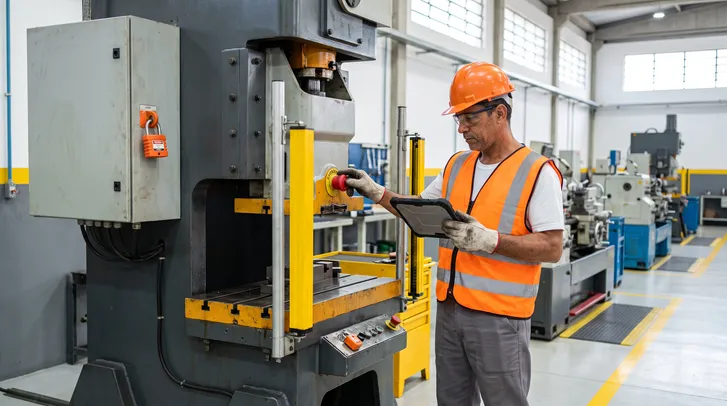
The link between the maintenance plan and the shop floor is the inspection routine. Having a schedule in the office is not enough; operators and mechanics need to know exactly what to check in the field before starting their shift.
Establishing standardised forms ensures that critical safety items — such as emergency stop devices, physical guards, audible alarms and fluid levels — are validated in practice. To deepen your verification routines and make sure nothing goes unnoticed, explore our content on best practices for building checklists and inspections.
Recording these assessments daily proves that the company was not negligent in maintaining its operational assets.
Digitisation and traceability in asset management
The biggest bottleneck in equipment maintenance is information control. Managing the history of a diverse fleet — ranging from heavy machinery and electrical panels to hand tools — with paper work orders and isolated spreadsheets leads to a loss of traceability.
When an auditor or area manager asks for the intervention history of any machine, the data needs to be available in seconds. Adopting management software solves this problem by creating an integrated ecosystem. Instead of filling in paperwork, operators and mechanics log their records through an app, attaching photos of any wear.
The system consolidates information from the entire plant, schedules future maintenance automatically and sends real-time alerts to the technical team if a serious anomaly is identified. This eliminates communication delays, prevents the use of defective machines and ensures a much safer, better-documented operation.
The safety and productivity of your operation depend on the reliability of your machinery. How does your team manage the preventive schedule and the maintenance history of your machines today?