Checklists and Inspections
Workplace Safety Inspection and Checklists

Understand how to structure a workplace safety inspection, why equipment inspection matters, and how to apply checklists in the EHS routine.
By: Vitória Willemann
Understand how to structure a workplace safety inspection, why equipment inspection matters, and how to apply checklists in the EHS routine.
By: Vitória Willemann
Legal compliance and the safe continuity of industrial operations demand methodical verification of the work environment. It is through workplace safety inspection that the safety team and operational leadership identify deviations, machinery wear and non-conformities before critical failures or accidents occur.
This is a technical field-audit process, essential to validate whether the controls established in the Risk Management Programme (PGR) are actually in use at the work front.
In this article we detail the categories of this procedure, the correct way to document checks, and the mandatory parameters for assessing heavy machinery.
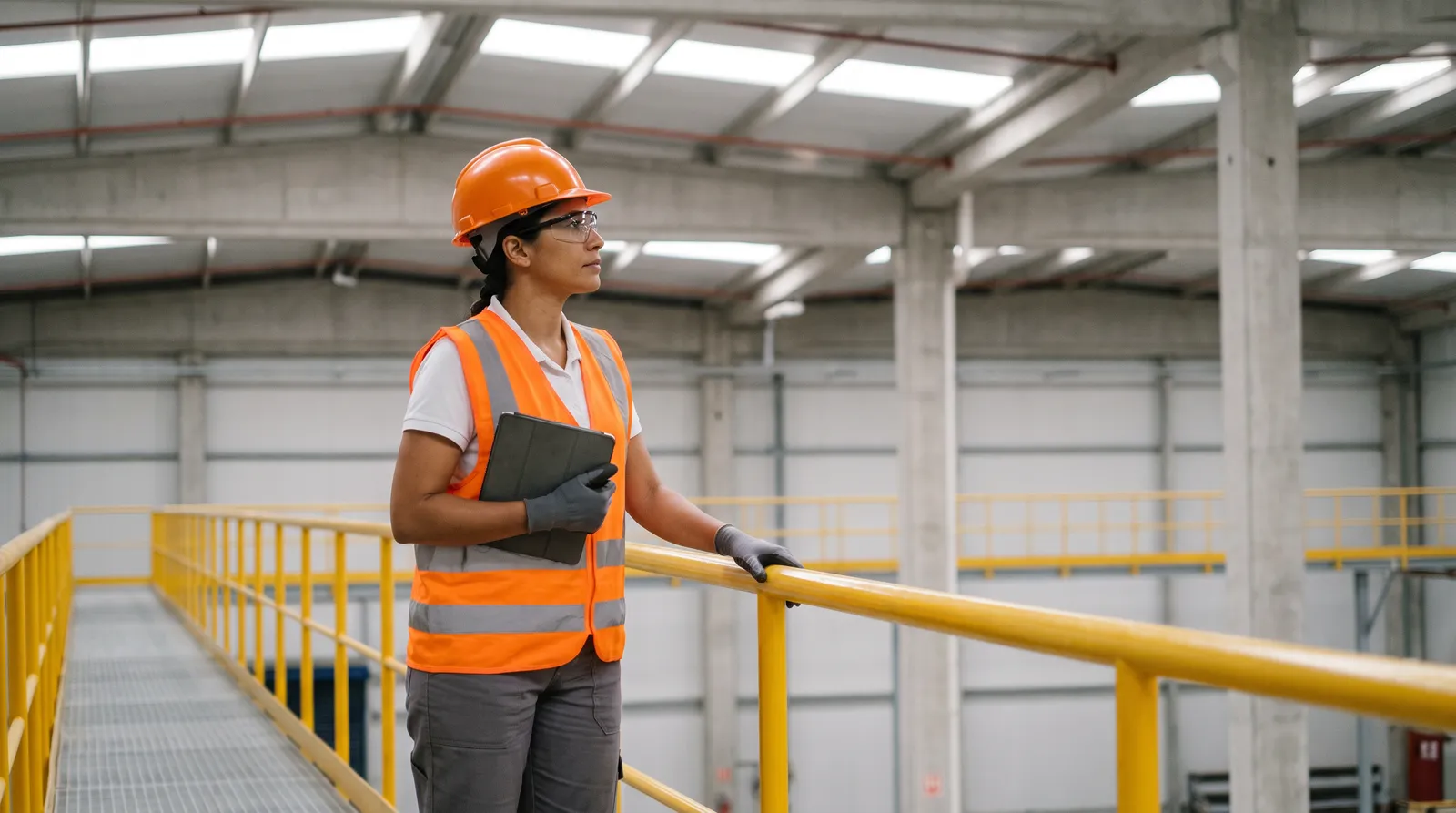
A workplace safety inspection is a technical procedure of visual and documentary assessment carried out on the company's premises. Its central purpose is to uncover hazards, evaluate whether control measures are being applied, and propose immediate corrective actions.
Inspections can be split into different categories, depending on what the operation needs:
The effectiveness of an inspection depends on standardisation. Running verification rounds based only on the inspector's memory leaves room for serious failures and omissions. That is why using an inspection checklist is mandatory in well-structured operations.
The inspection checklist acts as a script. It lists every critical item that must be checked in a given area or activity (floor conditions, lighting, housekeeping and PPE use, for example). Beyond guiding the professional, the completed and signed document becomes legal evidence that the company is actively monitoring the environment and meeting its labour obligations.
One of the most critical parts of this routine is equipment inspection. Heavy machinery, cranes, overhead travelling cranes and powered tools suffer natural wear and require rigorous follow-up, as standards such as NR-12 and NR-11 demand.
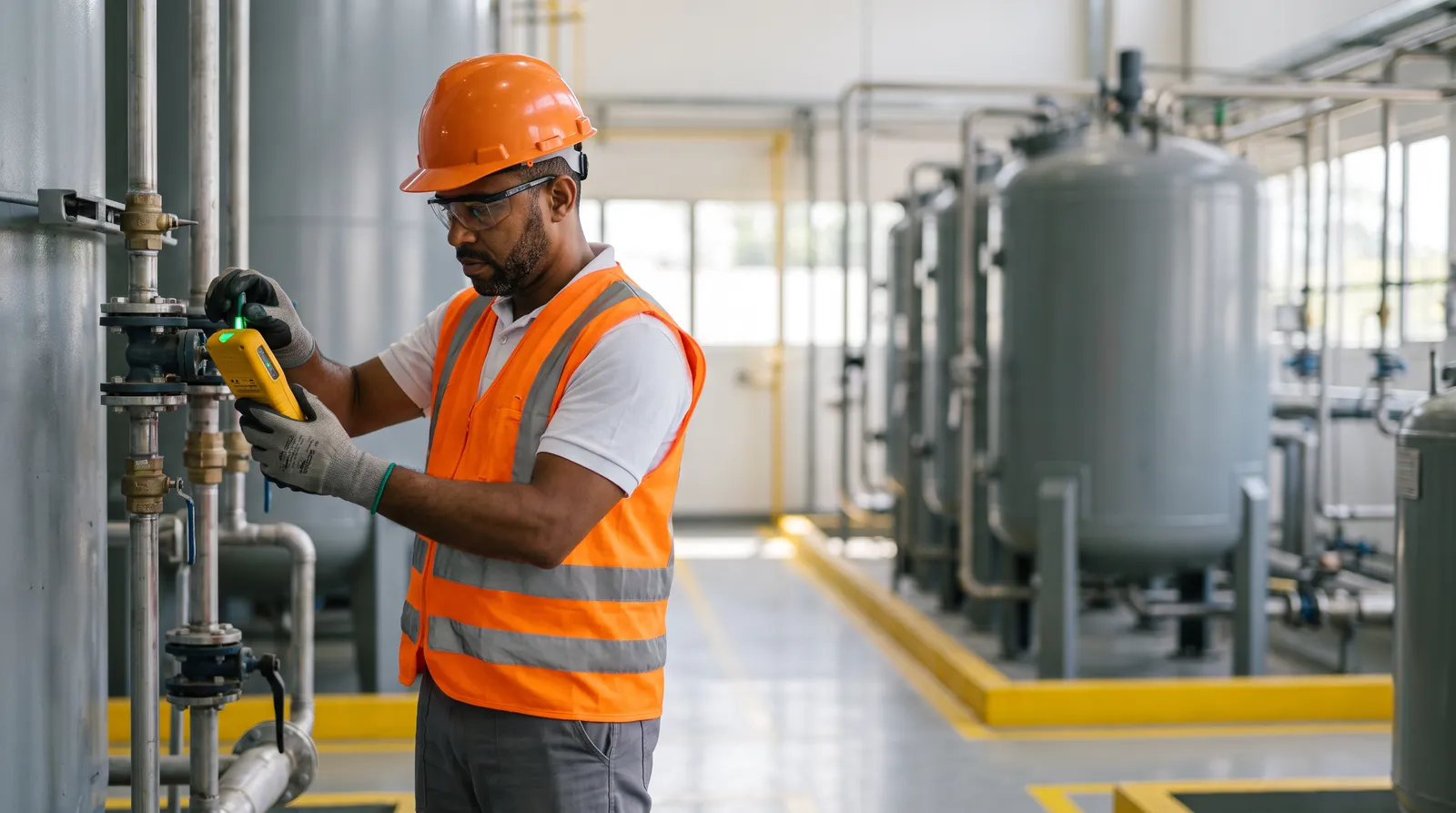
During equipment inspection, the professional must check:
Releasing faulty machinery for operation does not only halt production when it breaks: it puts the operator's physical safety at imminent risk.
For field data to generate fast action plans, paper forms are not the right medium. Relying on physical documents slows the maintenance team's response and makes fault history hard to trace.
Discover how to optimise your EHS routine and guarantee full traceability of operational compliance with our solution for digitalising checklist and inspection management. How does your team follow up on the action plans generated by field inspections today?
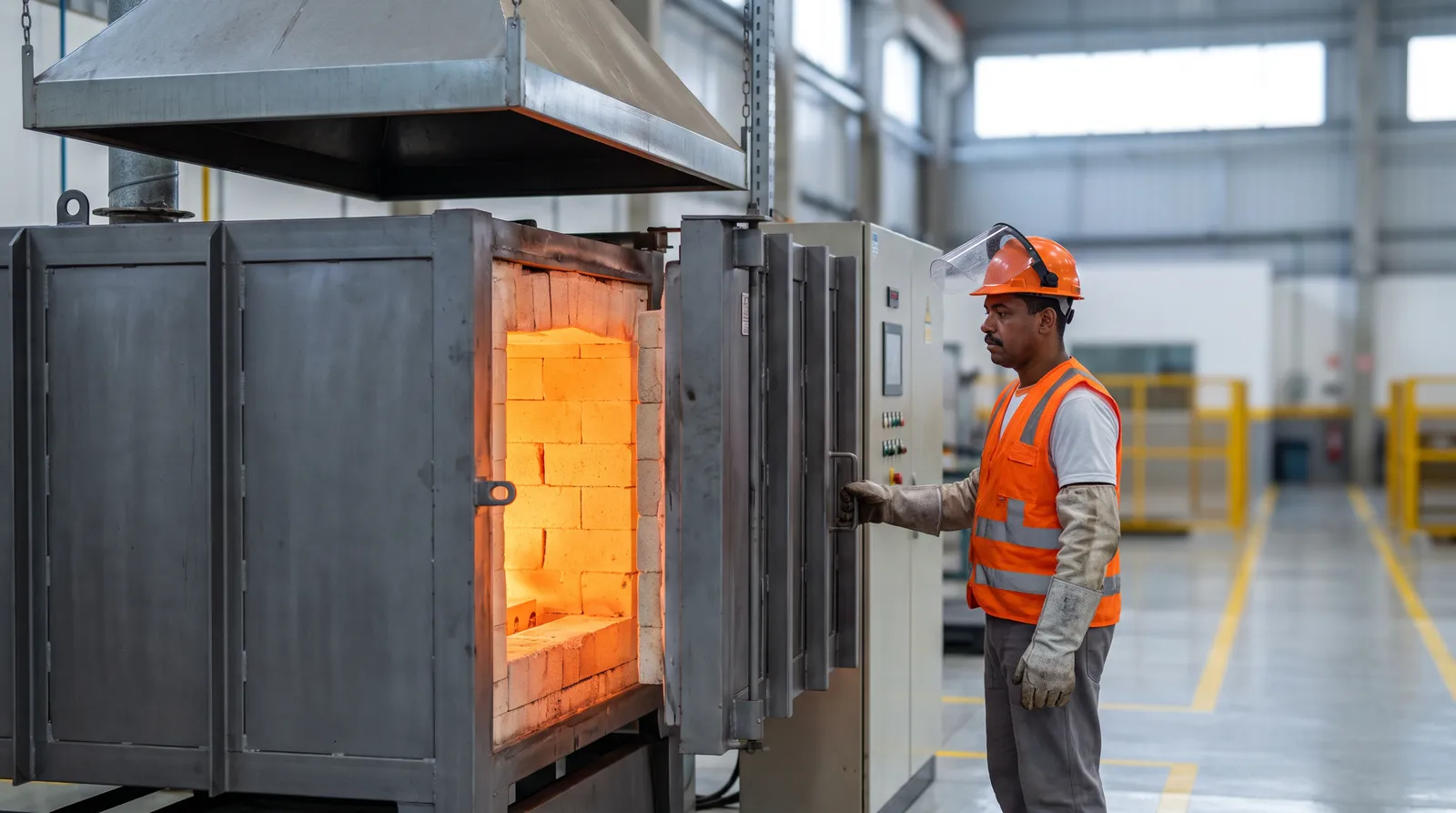
Understand what NR 14 is, the mandatory requirements for installing, lining and safely operating industrial furnaces, and how to avoid explosion risks.
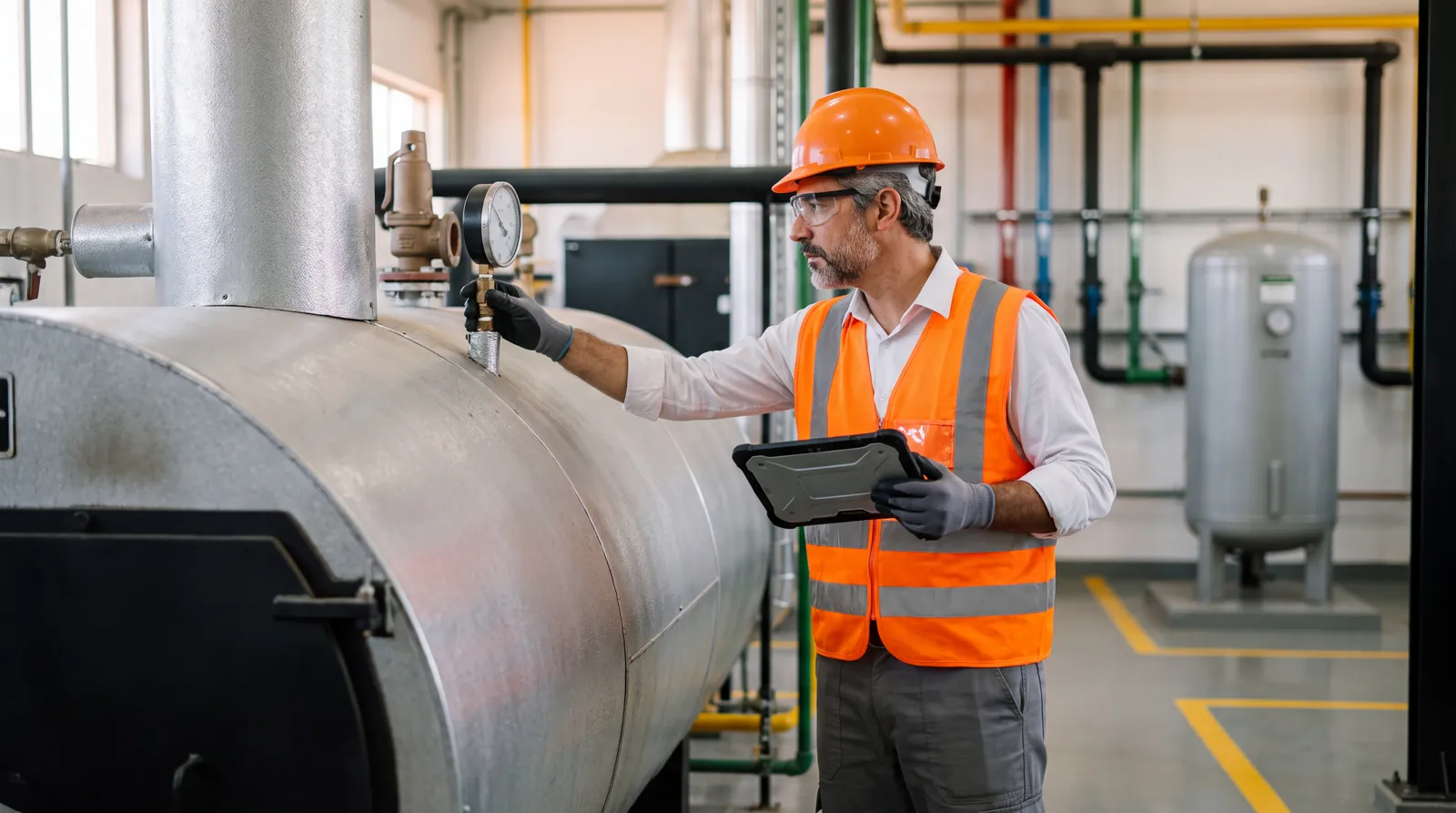
Find out what NR 13 establishes, why safety inspections of boilers and pressure vessels matter, and the role of the Qualified Professional (PH).
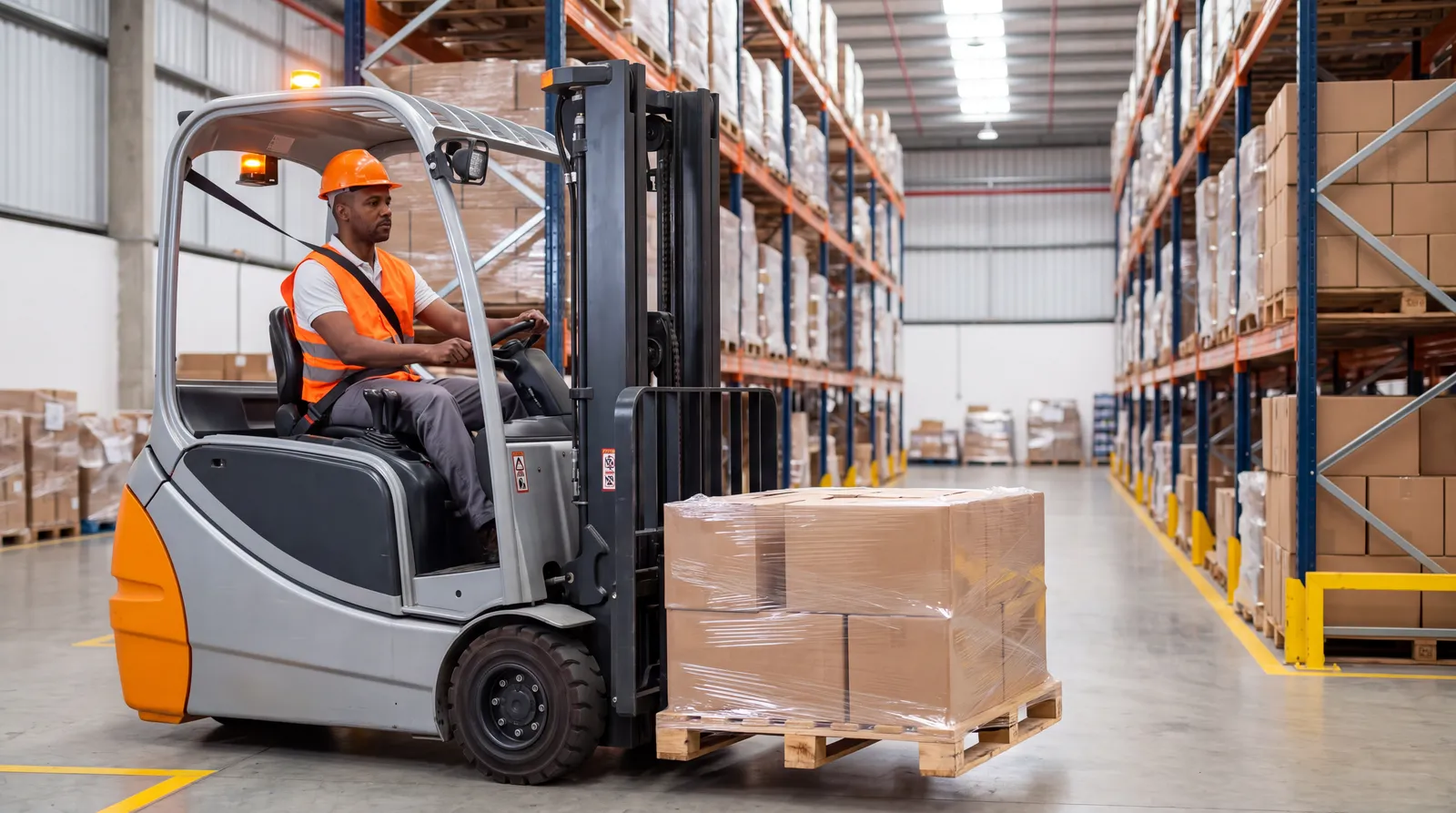
Understand the NR 11 rules for safe transport, handling, storage and manipulation of materials with forklifts, overhead cranes and cranes.
Understand what the updated NR 9 is, how it governs the assessment of physical, chemical and biological agents, and its direct link with the PGR (NR 1).
Get to know NR 8 and understand the technical requirements for ensuring the safety, thermal comfort and structural stability of buildings used as workplaces.
Understand what NR 6 is, the employer's responsibilities when issuing PPE, the worker's duties and how to streamline PPE control in your company.
Simplify your Risk Management, reducing liabilities and ensuring safe, standardized, and auditable operations with fast implementation and advisory support.