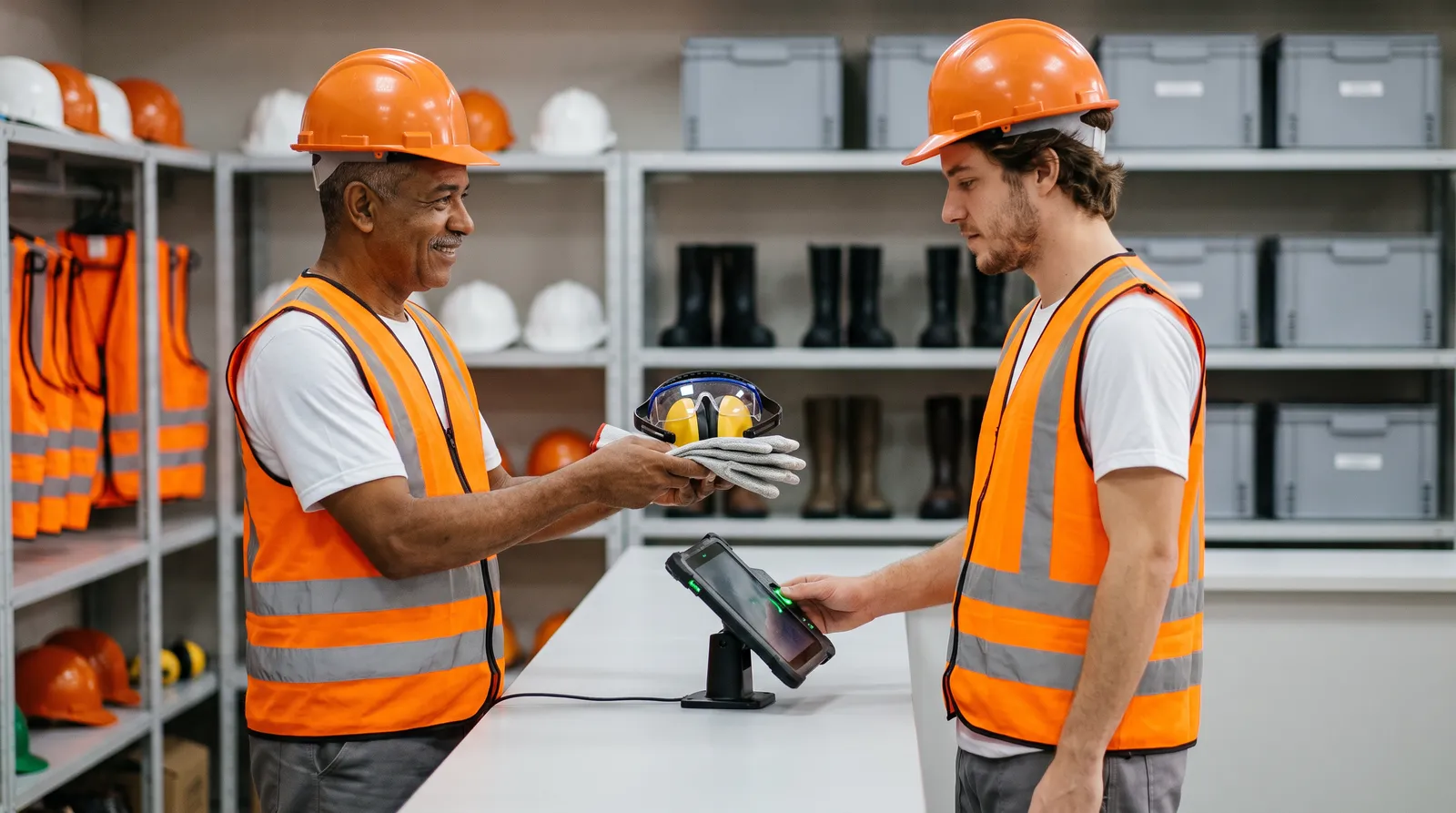
Filling out forms on clipboards and filing stacks of paper are practices that do not keep up with the pace of a modern operation. To bridge this gap between the factory floor and executive decision-making, the answer lies in technology. Adopting a digital checklist means transforming loose data into real-time intelligence, generating automatic action plans and irrefutable photographic evidence.
In this article, we will show you what it is, what the benefits are, and how to build an easy-to-use checklist, ensuring that your technical team abandons spreadsheets without resistance.
What is a digital checklist?
In practical terms, a digital checklist is the electronic evolution of old paper checklists. Instead of carrying a clipboard, the inspector or technician uses a smartphone or tablet to answer a series of pre-configured questions (depending on the equipment, vehicle, or area being inspected).
The big difference isn't just on the screen. While paper requires someone to retype the information into a spreadsheet at the end of the day, the digital tool already processes the data, attaches photos, captures electronic signatures, and instantly triggers alerts for managers.
Why abandon paper and create an easy-to-use checklist?
Many companies hesitate when digitizing processes for fear that the field team will not adapt to the technology. However, when you deliver an intuitive system or app focused on the daily routine, acceptance is immediate because it reduces the inspector's manual work.
See the main reasons to migrate your checklits to the digital medium:
1. Real-time action plans
The biggest benefit of having an easy checklist in the palm of your hand is the quick reaction. If the technician marks an item as "non-compliant", the system allows for quickly creating a corrective action with an assigned owner; there is no need to wait for the end of the shift to act.
2. No more "drawer checklists" and fraud
Paper accepts anything. The famous "pencil whipping" — filling out the entire form at once without even looking at the equipment — is a real risk. With technology, you require the attachment of photographic evidence and capture the digital signature of the responsible party, ensuring full traceability of the process.
3. Standardization and routing
Creating a digital checklist allows management to create dynamic and standardized forms for all company units. By unifying the questions and evaluation criteria, headquarters ensures that equipment at the main facility is inspected with the same technical rigor as a branch in another state.
This eliminates subjective evaluations by inspectors and facilitates the comparison of performance indicators between different areas of the corporation, creating a highly reliable data history.
Want to better understand how to apply this to maintenance? See how the online checklist for equipment inspection reduces machine downtime.
How to implement a digital checklist in 4 steps
The transition to the digital format requires planning. For your field team to use the tool correctly, follow this operational roadmap:
- Adjust old forms: Do not transfer a bad checklist from paper to screen. Take advantage of the migration to review the questions and eliminate irrelevant items that only take up the team's time.
- Require offline operation: Inspections in mines, construction sites, or basements often occur without internet signal. Your system needs to allow complete offline completion, syncing data with the cloud once the connection is restored.
- Define alert triggers: Configure the system to define who receives the notification if a critical item fails. This ensures that maintenance or engineering is called without depending on separate phone calls or messages.
- Train in the real environment: After presenting the tool, take the team to the field. Testing the completion side-by-side near the machines takes the weight off the transition and eliminates doubts that only arise with practice.
Deep dive into the topic: Discover how technology is changing the market in our article on automated safety inspections.
Does your operation need more agility, standardization, and control?
Talk to our team and discover how our digital checklist technology can transform your team's inspection routine.