Standards
What Is NR 11? Safety in Materials Handling and Storage
Understand the NR 11 rules for safe transport, handling, storage and manipulation of materials with forklifts, overhead cranes and cranes.
By: Vitória Willemann
Understand the NR 11 rules for safe transport, handling, storage and manipulation of materials with forklifts, overhead cranes and cranes.
By: Vitória Willemann
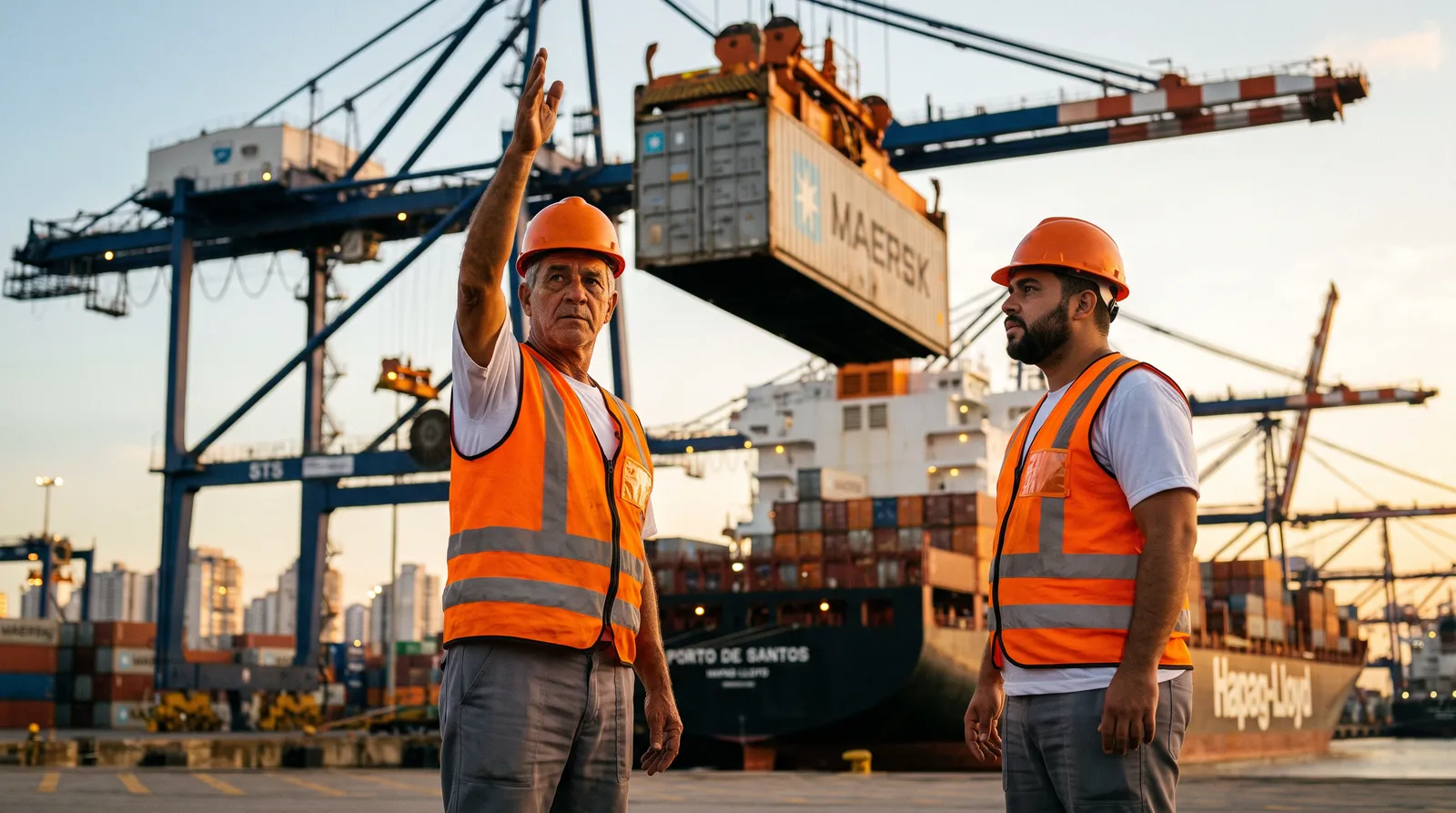
Distribution centres, construction yards and industrial parks have something in common: a constant flow of heavy loads. Where machines operate among pedestrians and tonnes of materials are being lifted at every moment, the risk of high-impact and crushing accidents is extreme.
NR 11 exists to regulate this critical operational routine. This article explains what the legislation requires to ensure an accident-free operation, covering everything from operating cranes and forklifts to the rules for physical storage in the warehouse.
Regulatory Standard 11 (NR-11) covers Safety in the Transport, Handling, Storage and Manipulation of Materials. Its scope is quite broad, covering not only mechanised handling but also the human effort involved in carrying sacks and the stability of stored products.
The central principle of the standard is to ensure that all logistics and operational processes are designed and carried out in a way that poses no risk to workers' physical integrity.
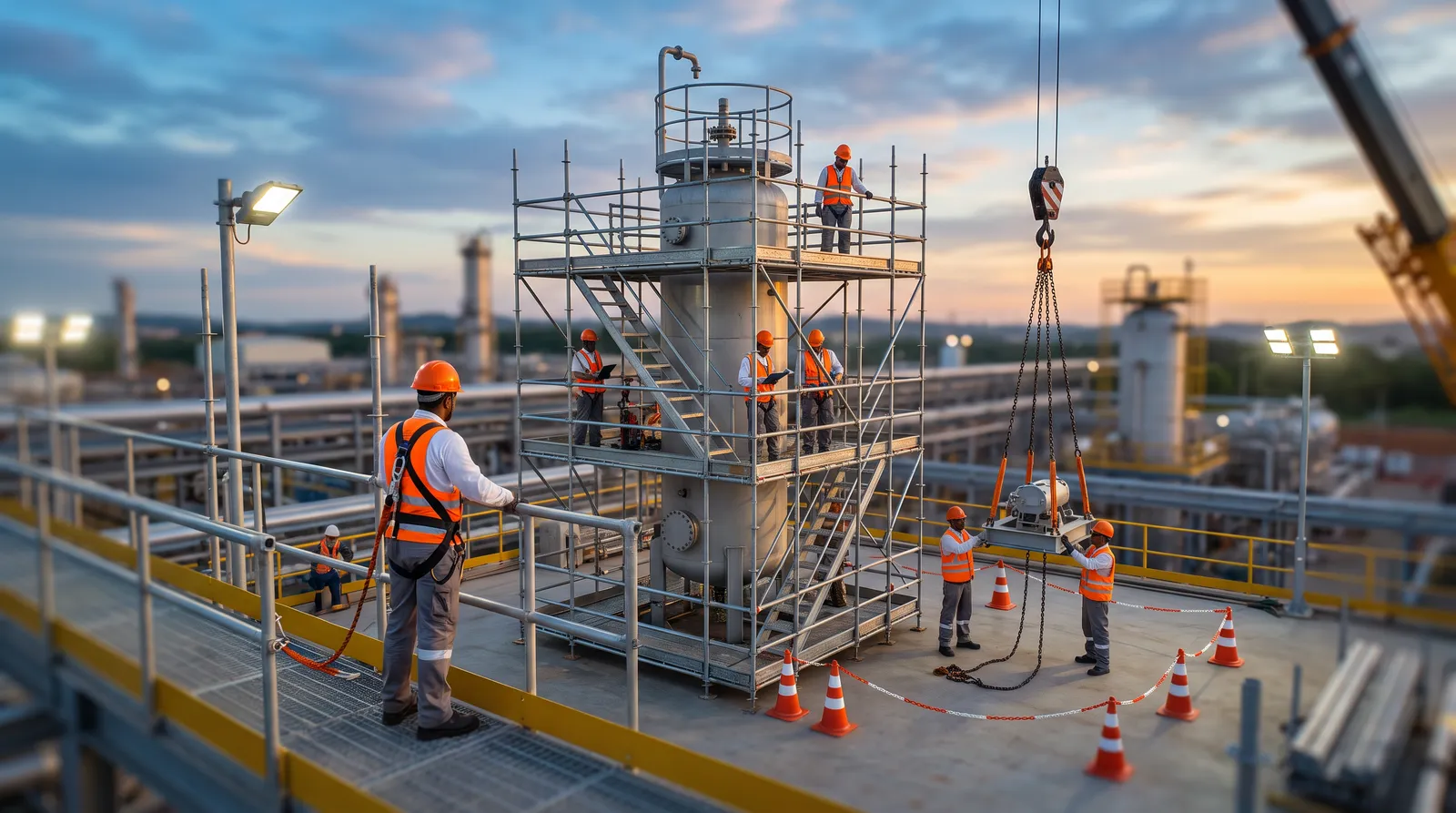
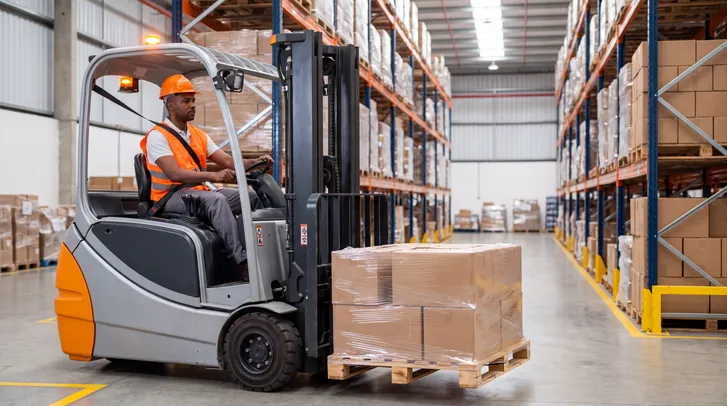
The best-known requirements of NR 11 concern large equipment, such as goods lifts, cranes, conveyor belts and forklifts. Inspections by the Ministry of Labour focus on three main pillars:
NR 11 is not limited to what is moving; the way products sit still in the warehouse is also rigorously inspected.
The standard states that the weight of stored materials must under no circumstances exceed the load capacity calculated for the building's floor. In addition, stacks of materials must be arranged in a way that ensures stability and prevents collapses.
Another critical audit point: stored material must never obstruct doors, emergency exits, traffic aisles or access to firefighting equipment (such as extinguishers and hydrants).
For operations that depend on physical strength, the standard sets guidelines for the regular manual transport of sacks (the continuous activity of lifting and carrying weight).
The legislation imposes restrictions on the maximum distance for manual transport and sets construction rules for the use of boards and ramps. The aim is to prevent excessive physical strain and biomechanical or ergonomic injuries in workers directly involved in loading and unloading.
Steel cables snap, lifting slings wear out and hydraulic systems fail over time. NR 11 expressly requires equipment and lashing accessories to be inspected regularly.
For the operation to prove compliance with this regulatory requirement, documented records are essential. Rigorously carrying out daily checklists and inspections — before the equipment goes into operation — is the safest practice to certify that machinery and components are operating within acceptable limits. This routine ensures the structural integrity of handling operations and shields the company against fines and liability in the event of mechanical failures.
See what visitor control is, the difference between a visitor and a contractor, what Brazil's LGPD requires regarding their data, and a step-by-step guide to organising the gate.
Learn what a plant shutdown is, what Brazil's NR 13, NR 33 and NR 35 require during the shutdown, and how to control contractors and work permits.
See what contractor access control is, what Brazil's Law 6,019 requires of the contracting company, what to check before granting entry and how to use biometrics in line with the LGPD.
Understand what MoC (management of change) is, what Brazil's NR 20 and NR 13 require when something changes in the operation, and how to build a 7-step MoC process.
Understand what NR 29 is, who it applies to, the role of the OGMO, SESSTP and CPATP, the inspection of lifting equipment and the rules for dangerous cargo.
Understand what NR 28 is, how labour inspection works, how fines are calculated (I1 to I4), the criteria for shutdowns and the standard's update for agribusiness.
Simplify your Risk Management, reducing liabilities and ensuring safe, standardized, and auditable operations with fast implementation and advisory support.