Ensuring compliance with NR-35 is essential for safety in work at heights. Discover in this content the steps to adapt your company, from risk analysis to training, and avoid fines and accidents.
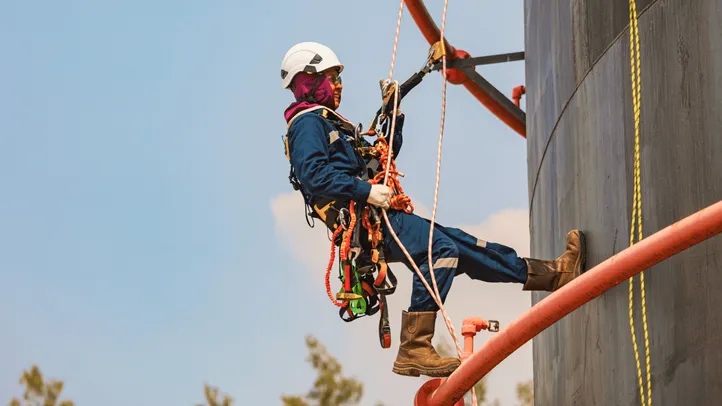
Work at heights (NR-35) is a reality in countless sectors, from civil construction to industrial maintenance. However, this activity carries a high risk potential, requiring companies to take a proactive stance and implement rigorous planning to protect their teams.
Adapting the company to Regulatory Standard No. 35 is not just a matter of complying with the law, but of establishing a culture of prevention that saves lives and strengthens the business. But where to start? Below, we detail the essential steps to ensure compliance and safety.
First Step: understanding what NR-35 requires
The starting point for compliance is understanding. NR-35 defines work at heights as any activity performed above 2.00 meters from the lower level, where there is a risk of falling. The standard establishes a complete framework of responsibilities, for both employer and employee, aiming at the implementation of control measures. Understanding this foundation is what allows the correct application of the next steps.
Planning and Risk Analysis for Compliance
No work at heights should start without preparation. NR-35 is clear: planning is mandatory. The two central tools for this are:
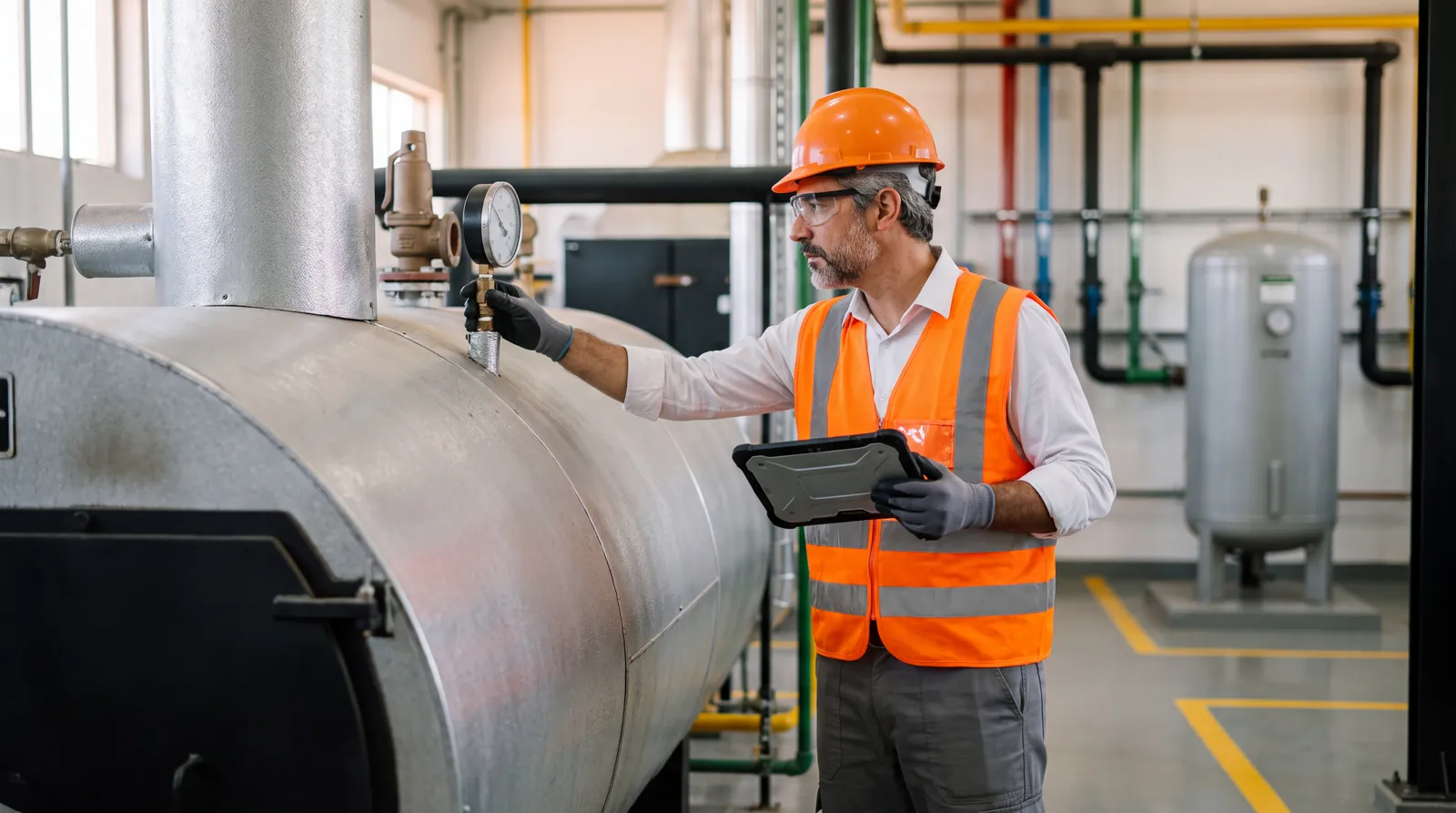
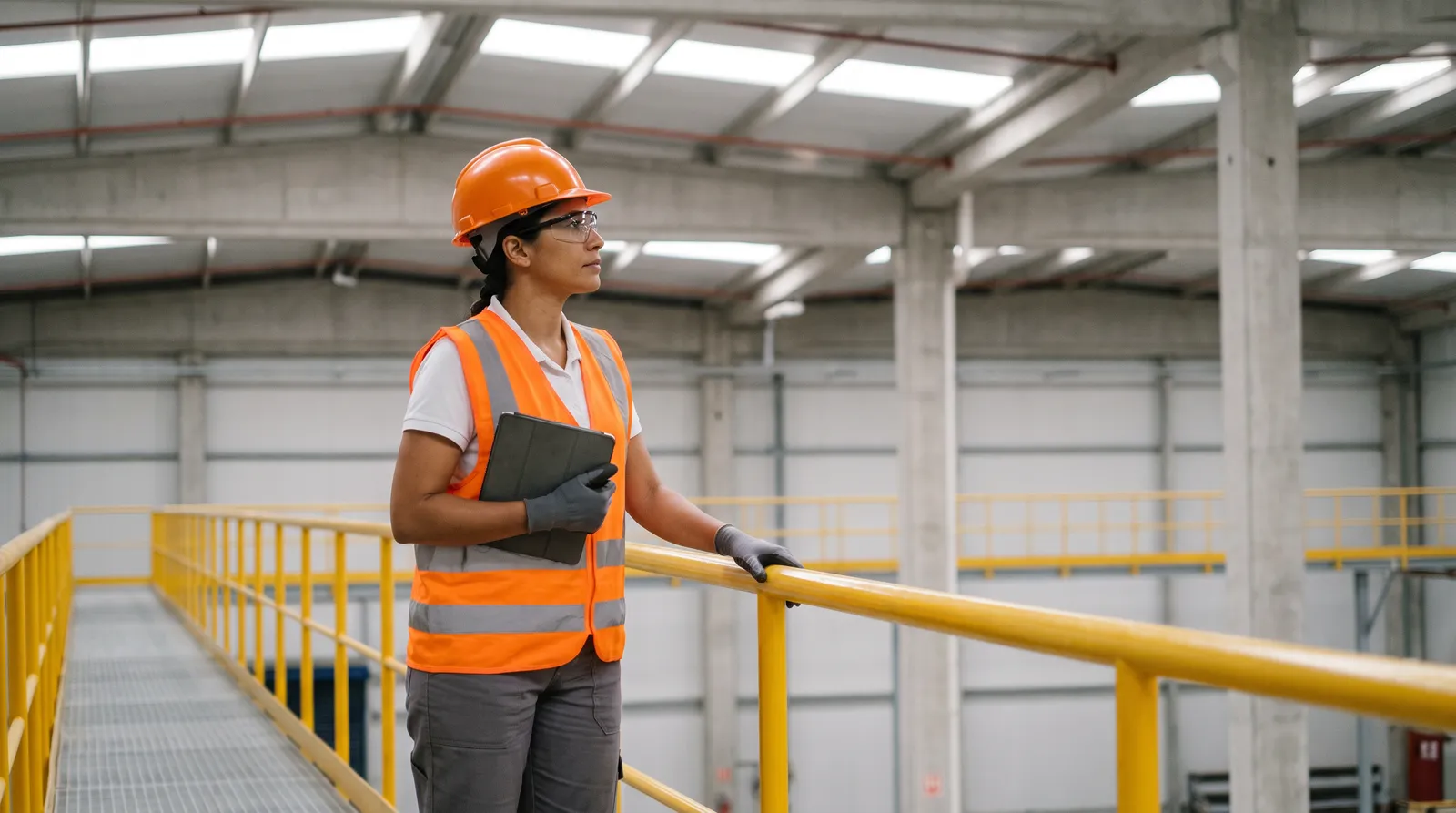
- Risk Analysis (RA): Before any activity, an RA must be carried out to identify all hazards involved: from weather conditions and area isolation to the risks of falling materials and anchorage points.
- Work Permit (WP): Based on the RA, the WP works as a final release checklist. It is a document that greenlights the start of the service after verifying that all preventive measures have been implemented and that the team is aware of the procedures.
Continuous training: The central role of NR-35 Training
A well-prepared team is your main barrier against accidents. The standard requires that every employee involved in work at heights receive specific NR-35 training, with a minimum duration of 8 hours, valid for two years, and content covering everything from regulations and risk analysis to rescue and first aid concepts. Keeping this cycle of training and retraining up to date is one of the company's most important obligations.
Appropriate equipment: ensuring physical protection
Compliance necessarily involves providing and monitoring the use of correct equipment. This includes both Collective Protective Equipment (CPE), such as guardrails and safety nets, as well as Personal Protective Equipment (PPE), such as full-body harnesses, lanyards, and fall arresters. All equipment must be inspected before each use and undergo periodic checks.
Avoiding legal risks: the consequences of non-compliance
Ignoring the requirements of NR-35 is a high-risk decision. Non-compliance can lead to:
- Heavy fines applied by labor inspections.
- Embargoes and shutdowns of activities or the workplace.
- Civil and criminal liability for managers in case of accidents.
Therefore, "avoiding risks" means both protecting employees and safeguarding the company from severe penalties.
Optimizing NR-35 management with technology
Controlling the validity of dozens of training sessions, managing the issuance of Work Permits, and recording the Inspection of hundreds of PPE manually is a complex task prone to errors.
This is where technology becomes a strategic ally. HSE management software, like the solutions from GAP Sistemas, allows you to:
- Automate training control: The system alerts about the need for retraining and stores certificates in an organized manner.
- Digitize the issuance of WPs: Ensures that no permit is issued without completing all mandatory fields.
- Manage equipment life cycle: Schedules and records PPE inspections, ensuring that everything is always compliant.
Conclusion: A continuous and smart process
Adapting the company to NR-35 is an ongoing process that involves planning, training, and, above all, efficient management. By adopting the correct practices and relying on technology, you transform this legal obligation into a pillar of safety culture and excellence in your organization.
Ready to take the next step in managing work at heights?
Schedule a conversation with one of GAP Sistemas' specialists and make your company safer.