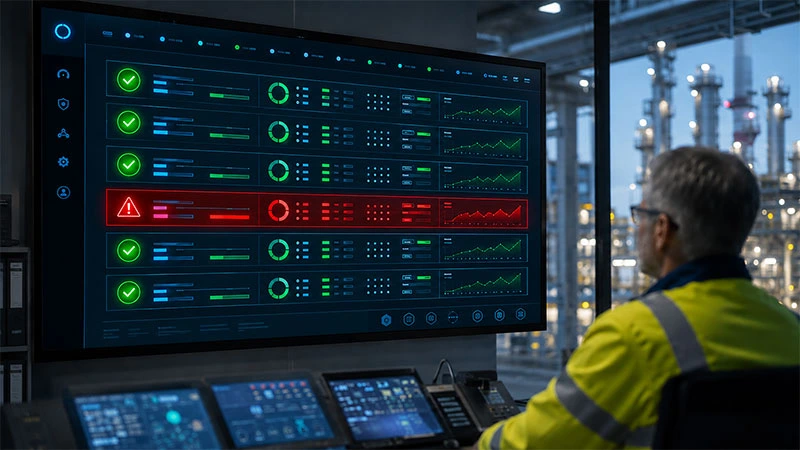

Work Permit
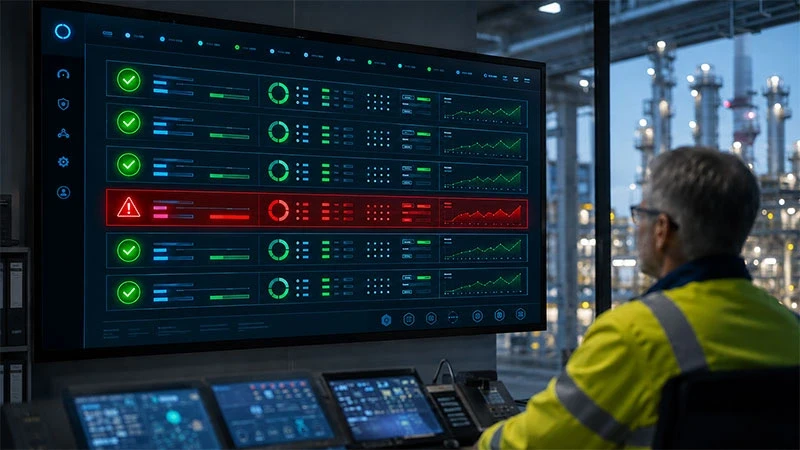
Understand how to integrate digital work permits with occupational safety systems. Improve control, eliminate paper, and prevent liabilities and accidents.
By:
Guilherme Herker
Knowing exactly how to integrate digital work permits with occupational safety systems has become a core requirement to ensure operational governance and protect the lives of professionals in the field. In high-risk operations — such as manufacturing industries, mining, and civil construction, failure to release a work front can result in serious accidents and million-dollar shutdowns.
The traditional paper-based Work Permit (WP) model creates a dangerous gap between the rules established by compliance and actual execution. Illegible signatures, lost documents, and the lack of cross-referencing data with the validity of workers' exams expose the company to ongoing, invisible legal risks.
In this article, we detail the steps and advantages of digitizing and integrating the clearance of critical activities with the overall third-party management and safety of your company.
The bottleneck of manual control on work fronts
Issuing a Work Permit (WP) or Preliminary Risk Analysis (PRA) is an important safety filter before a critical activity — such as work at heights (NR-35), confined space (NR-33), or hot work (NR-34) — is initiated.
However, managing work permit control on clipboards and spreadsheets is incompatible with the volume and speed of modern operations. In a large industrial plant, dozens or hundreds of WPs are opened daily. Manual control generates serious structural problems that directly impact safety and productivity:
Inability to Cross-Reference Data: Paper does not warn you if the outsourced employee scheduled for the activity had their ASO (Occupational Health Certificate) expire the day before, nor does it automatically validate whether the specific NR certificate is authentic.
Risks of Simultaneous Activities: Without a digitized systemic view, a manager can accidentally release hot work near an area where another team is handling flammable products, generating a critical risk of explosion, for example.
Slowness in Clearance (SLA Impact): Safety technicians waste valuable hours walking through the plant just to collect supervisor signatures, delaying the start of maintenance and increasing the cost of idle labor.
Loss of Legal Traceability: In the event of an audit by the Ministry of Labor or an accident, locating a paper WP filled out months ago among physical archives is a complex task that impairs the company's technical defense.
Step by step: How to integrate digital work permits with occupational safety systems
True safety occurs when the issuance of the WP "communicates" in real time with the company's Occupational Health and Safety (OHS) database. Here is how this integration works in operational practice:
1. Unification of worker database and operational requirements
The first step is to connect the work permit system to the partner and employee management database. This way, when selecting the employee's name to work in a confined space, the system automatically checks the validity of mandatory training and fitness exams. If there is any compliance irregularity, the system blocks the issuance of the WP at the source.
2. Mobility and electronic signature workflows
Integration allows safety technicians and area leaders to approve the release of service directly from a tablet or smartphone at the exact location of the activity. The electronic signature has legal validity, eliminating the movement of papers and ensuring that the approver actually validated the environmental conditions before authorizing the service.
3. Evidence management and permanent traceability
An integrated online work permit transforms every closed release into traceable data. All answers to safety checklists, photos of the environment attached by the technician, and the timestamp of signatures are archived in the cloud. This creates a permanent and easily searchable dossier for any future audit needs.
Advantages of digital work permits (Electronic WP)
Replacing manual processes with an integrated ecosystem brings measurable and immediate returns to the operation:
Operational Agility: Drastic reduction in waiting time for the release of work fronts, increasing the uptime of the maintenance team or service provider.
Preventive Block: Technology physically and logically prevents unfit workers or companies with non-compliant documentation from starting high-risk activities.
Real-Time Systemic View: Managers gain access to dashboards that show the global panorama of the plant: how many permits are open, where they are occurring, and which ones are past their execution deadline.
How GAP automates your Online Work Permit
The digitization of safety cannot be a fragmented process. Using one software to monitor third parties and a different one to issue authorizations in the field only transfers the disorganization from paper to the digital environment.
With the integrated platform from GAP, you connect your supplier's compliance directly to service authorization at the front line.
Our technology cross-references the data of active workers and qualified partners with the requirements of each Work Permit. If a third party attempts to perform hot work without a valid NR-34 or NR-18 qualification in the system, the authorization is blocked, for example.
Frequently Asked Questions (FAQ)
Do digital work permits have legal validity?
Yes. As long as the system uses electronic signature methods with traceability (login, password, geolocation, or biometrics), the digital WP meets legal requirements in potential inspections or labor defenses.
Do I need to have internet throughout the entire factory to use digital WP?
The best platforms offer offline functionality. The technician fills out and signs the form in the field without a connection, and the system synchronizes and cross-references the information as soon as the device connects to the network.
Who can sign the issuance of the Work Permit?
The WP must be issued and signed by a formally authorized professional (usually the area supervisor or safety technician), in addition to the joint signatures of those executing the task, declaring awareness of the risks involved.
Does the control of your work fronts still depend on papers that get lost or torn? Eliminate the risk of human error and accelerate the release of critical activities in your industrial plant or construction site.
Discover GAP's integrated solutions and find out how our work permit system can ensure 100% governance and protection for your operation.