General
Regulatory compliance in EHS: the essential role of technology
Understand what regulatory compliance in EHS is, its importance for corporate governance, and how an automated management system ensures safety.
By: Guilherme Herker
Understand what regulatory compliance in EHS is, its importance for corporate governance, and how an automated management system ensures safety.
By: Guilherme Herker
The management of Health, Safety, and Environment (HSE) is a strategic pillar for any modern company. Within it, regulatory compliance stands out as the backbone that sustains safe and sustainable operations. However, with the increasing complexity of regulations, staying up to date can be a monumental challenge.
It is in this scenario that technology emerges as a necessity. Failures can result in financial penalties, reputational damage, and, more importantly, risks to employees' integrity. Let's explore how automation can strengthen your processes and transform compliance from an obligation into a competitive advantage.
What is regulatory compliance in HSE?
Simply put, regulatory compliance is essential to ensure that a company operates in accordance with all laws, standards, and regulations generally applicable to its activity. In the context of HSE, this ranges from the Regulatory Standards (NRs) of the Ministry of Labor to environmental and sanitary legislations.
The importance of regulatory compliance transcends simple fine prevention. It is a critical component of corporate governance, reflecting the company's commitment to ethics, sustainability, and the well-being of its teams. Robust compliance management serves to ensure process safety and strengthen the brand's image in the market.
Automation as support for compliance
Automation, through an integrated management system, transforms the way companies handle these challenges. Softwares like GEC, GEDOC, and GEEQUIP allow organizations to automate tasks such as document management, training monitoring, and inspections.
One of the areas most impacted by automation is document management. Keeping physical archives and ensuring that all documents were updated was once a huge challenge. Now, with technology, it is possible to store documents electronically, facilitate access, ensure that all employees have access to the most updated version, and even request signatures, aligning operations with the company's code of conduct.
Another point of efficiency is the better management of mandatory training, cataloging which employees have completed it and which still need training. This not only contributes to completion rates but also ensures that the team is always updated on the best safety practices.
As for performing regular inspections to ensure that compliance standards are maintained, with automation, companies can create digital checklists that facilitate field data collection. This reduces the need for paper and eliminates the possibility of errors in transcribing information.
Additionally, the collected data can be analyzed in real-time, allowing companies to quickly identify areas of non-compliance and take corrective actions.
Compliance with GDPR in HSE management
A recent and extremely important challenge is compliance with data protection laws, such as the LGPD (General Data Protection Law) in Brazil – inspired by European Union rules (GDPR). HSE management is an area that deals directly with sensitive data, such as Occupational Health Certificates (ASOs) and employee health information.
Technology plays a vital role here. A secure management system ensures that this data is stored and accessed only by authorized personnel, with complete audit trails, protecting the company against leaks and heavy sanctions related to privacy.
Building a compliance culture
Technology is the tool, but the ultimate goal is to strengthen the organizational culture. Designing an HSE management system brings a series of benefits that, combined, promote a stronger culture of compliance:
Reduction of errors through the minimization of human intervention.
Automated processes that allow teams to focus on more strategic activities.
Agile tracking of the status of regulatory obligations, safeguarding important deadlines.
Generation of detailed, real-time reports, facilitating audits and compliance with regulations.
Although automation brings many benefits, companies must also be aware of the challenges. The implementation of new technologies requires investment and support for workers' adaptation process.
Automation for better HSE management
The impact of technology, not only on regulatory compliance in HSE but across various sectors, is undeniable. Automation facilitates compliance management, promotes a safer and more efficient work environment, and, as more companies recognize these benefits, technological solutions are likely to continue to grow, transforming how compliance is managed.
Did you like this content? Follow our blog and our Linkedin to stay on top of all the news in HSE!
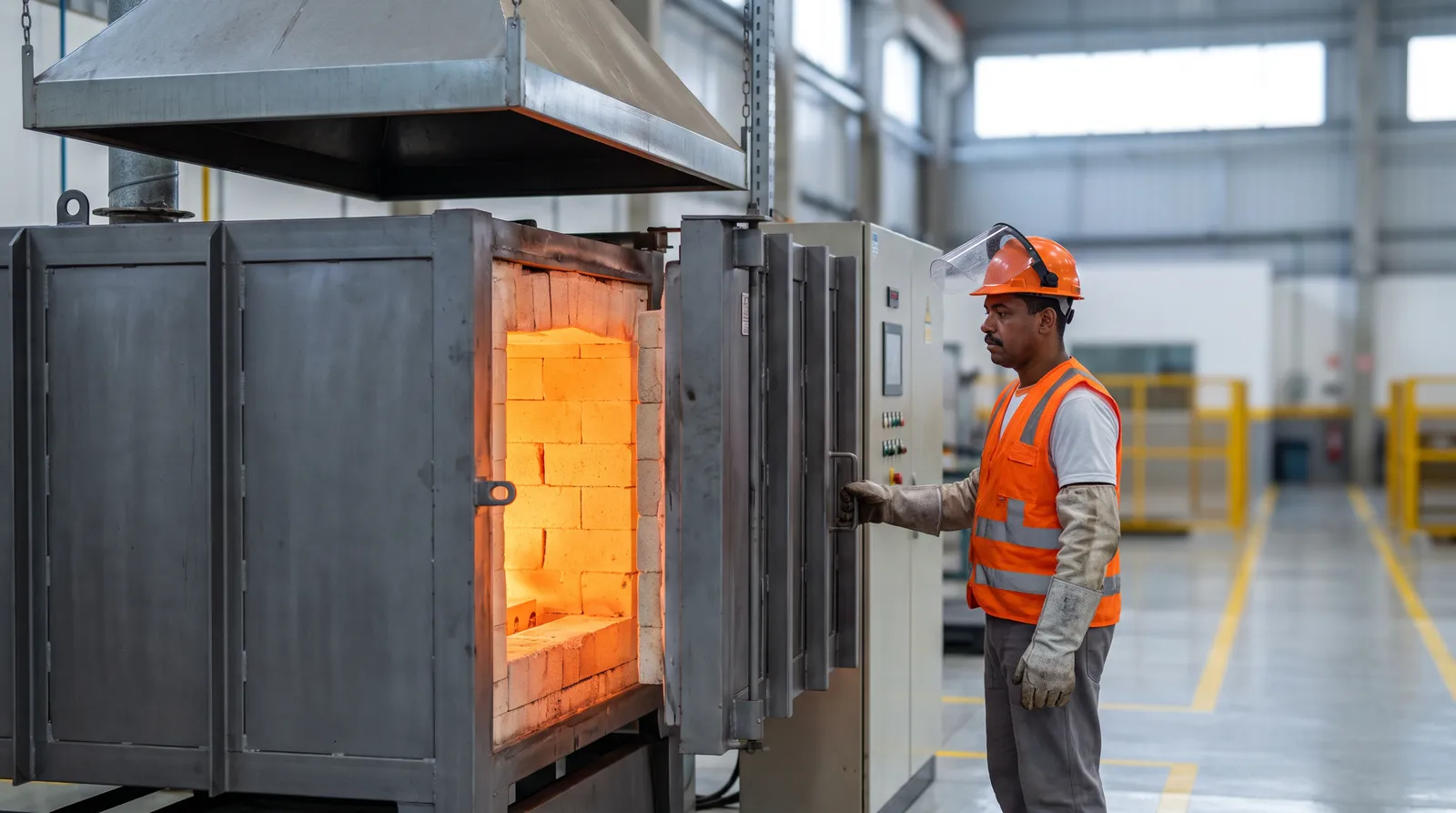
Understand what NR 14 is, the mandatory requirements for installing, lining and safely operating industrial furnaces, and how to avoid explosion risks.
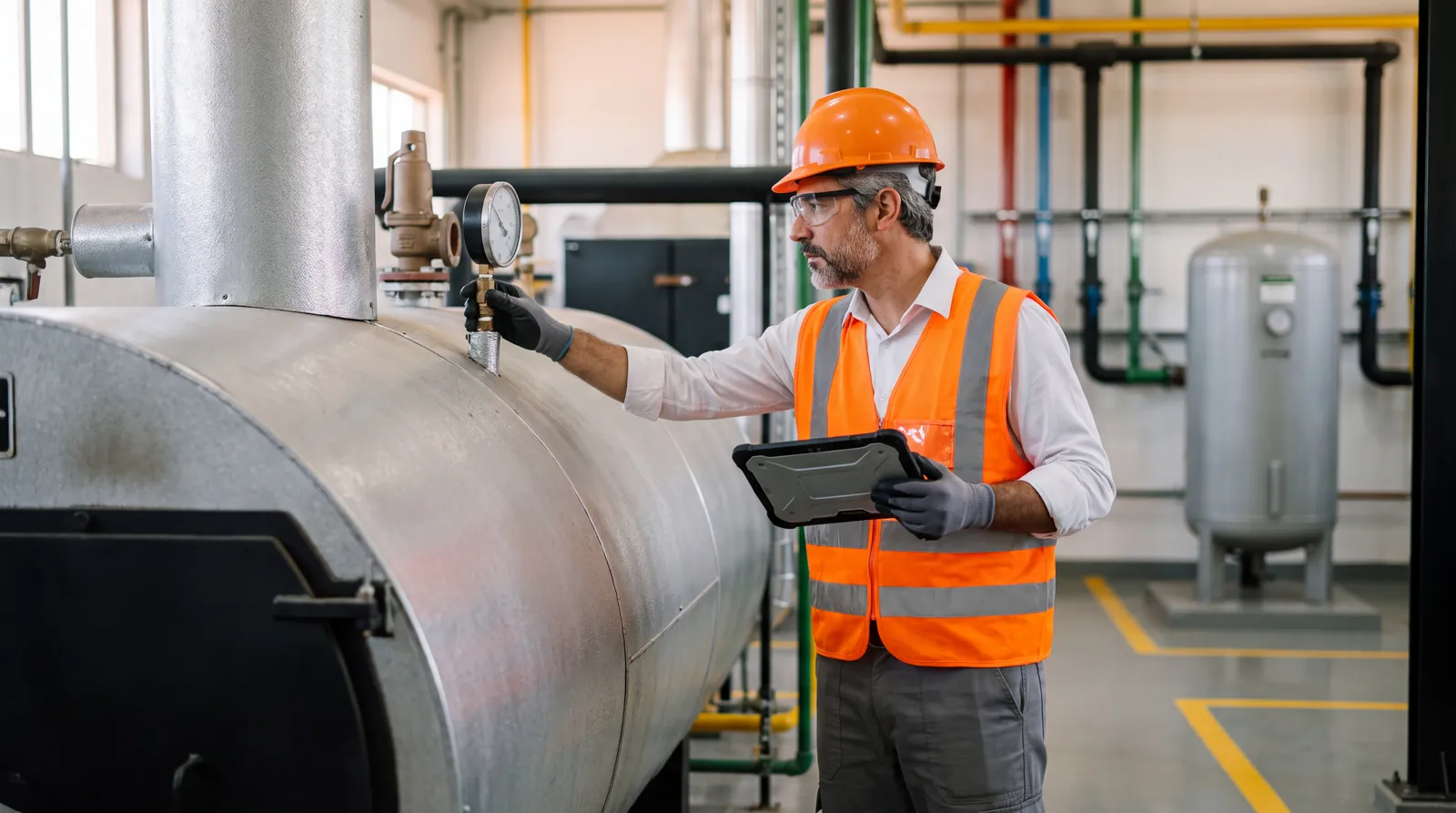
Find out what NR 13 establishes, why safety inspections of boilers and pressure vessels matter, and the role of the Qualified Professional (PH).
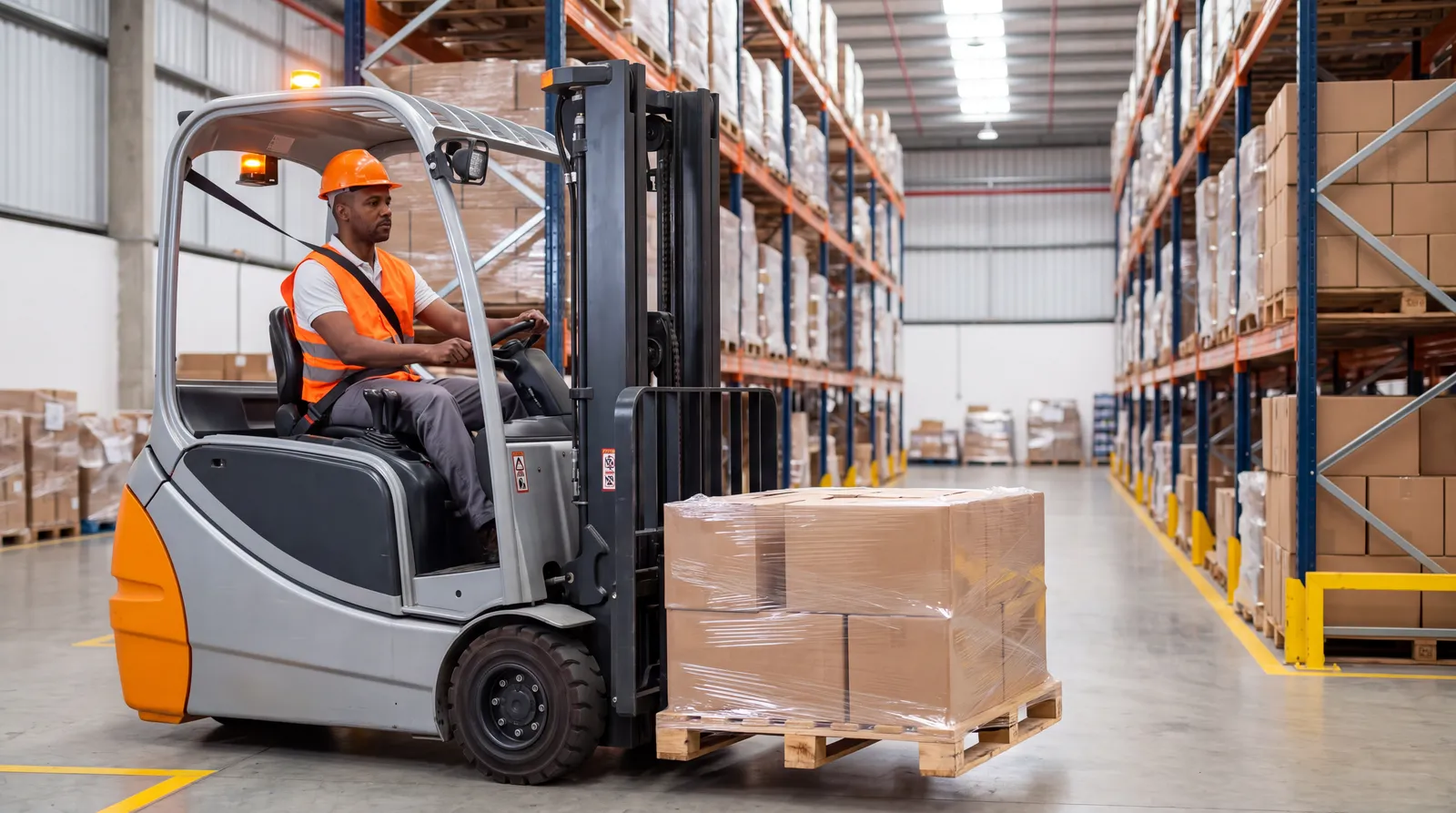
Understand the NR 11 rules for safe transport, handling, storage and manipulation of materials with forklifts, overhead cranes and cranes.
Understand what the updated NR 9 is, how it governs the assessment of physical, chemical and biological agents, and its direct link with the PGR (NR 1).
Get to know NR 8 and understand the technical requirements for ensuring the safety, thermal comfort and structural stability of buildings used as workplaces.
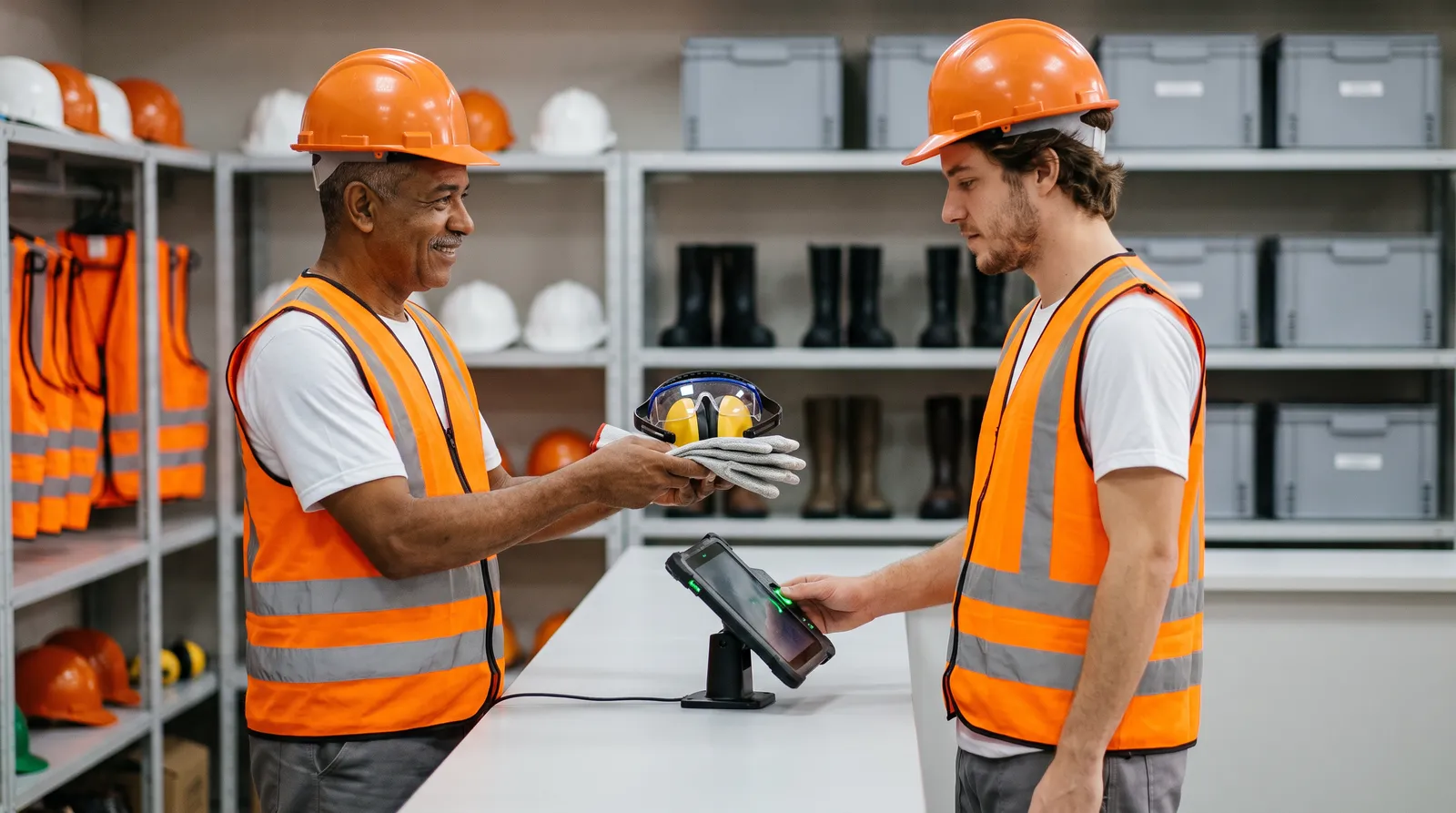
Understand what NR 6 is, the employer's responsibilities when issuing PPE, the worker's duties and how to streamline PPE control in your company.
Simplify your Risk Management, reducing liabilities and ensuring safe, standardized, and auditable operations with fast implementation and advisory support.